
Imagine this.
It’s 11:45 p.m.
Your office is closed.
Your employees have gone home.
Nobody is answering the phone.
But a potential customer has just discovered your company online.
They search for your services, click your website, look around for a few minutes, and decide whether your business is worth contacting.
You may never know that person visited.
You may never know why they stayed.
And you may never know why they left.
That’s the interesting thing about a Business Website.
It can be working for your company even when nobody from your team is physically working.
But there’s a catch.
Simply having a website doesn’t mean your website is actually helping your business.
A slow website, confusing navigation, outdated information, poor mobile experience, or weak security can turn a potential customer away just as quickly as a good website can attract one.
In 2026, a website is no longer just a digital brochure.
It can be your first impression, information centre, marketing channel, customer support tool, and sometimes even your sales team.
So, what makes a modern website actually work for a business?
Let’s look at it.
A Business Website Is Often the First Conversation With a Customer
Think about how people discover businesses today.
They may see a social media post.
Someone may recommend a company.
They may find it through Google.
They may see an online advertisement.
Or they may simply search for a service they need.
In many cases, the website is where the real evaluation begins.
Customers want answers quickly.
Who are you?
What do you offer?
Where do you operate?
Can they trust you?
How can they contact you?
Do you understand their problem?
A good website doesn’t force visitors to search endlessly for these answers.
It makes them easy to find.
That’s an important part of Web & Media Services.
The goal isn’t simply to make a website look attractive.
The goal is to make it useful.
Good Web Design Is About More Than Looks
A visually attractive website is great.
But design isn’t just about colours, images, animations, and fancy layouts.
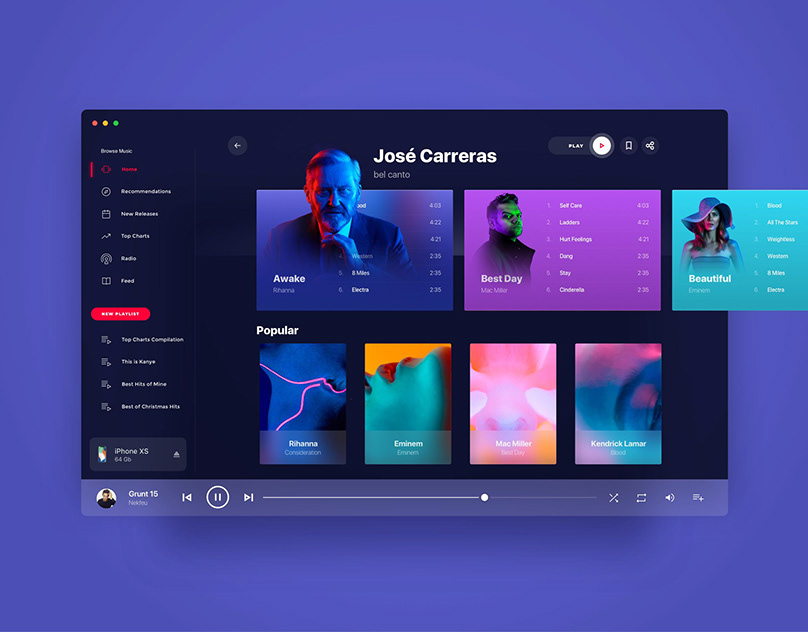
Good Web Design should make the visitor’s journey easier.
A customer shouldn’t have to think too hard about where to click next.
Navigation should feel natural.
Important information should be easy to find.
Buttons should be clear.
Content should be readable.
Contact information should be accessible.
And the overall experience should feel consistent.
Think of your website like a physical store.
If the entrance is difficult to find, products are poorly arranged, signs are confusing, and customers can’t find anyone to help them, the store won’t perform very well.
The same principle applies online.
Website Speed Can Quietly Affect Your Business
One of the most frustrating online experiences is waiting for a website to load.
You click.
Nothing happens.
You wait.
The page begins loading.
You wait again.
Eventually, you give up.
Your customer may never complain.
They may simply close the page and visit another company.
That’s why Website Performance matters.
Speed can influence user experience, engagement, search visibility, and conversions.
And speed isn’t only about having a powerful server.
Performance can be affected by:
- Large images
- Poorly optimized code
- Too many scripts
- Hosting limitations
- Plugins
- Network conditions
- Unnecessary website features
A modern website should aim to deliver the information visitors need without making them wait unnecessarily.
Because online, patience is often shorter than businesses expect.
Mobile Experience Is No Longer Optional
Here’s a simple test.
Open your business website on your phone.
Don’t check it like a developer.
Check it like a customer.
Can you read everything easily?
Can you tap the buttons?
Does the menu work properly?
Do images fit the screen?
Can you contact the business without zooming in?
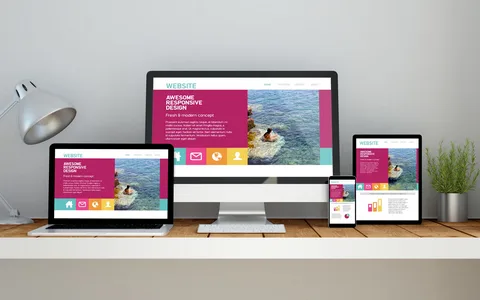
This is where Responsive Web Design becomes important.
People use smartphones for almost everything.
Searching.
Comparing.
Shopping.
Reading.
Watching videos.
Contacting businesses.
A website that works beautifully on a desktop but feels frustrating on a phone is creating an unnecessary barrier.
Modern web development needs to consider different screen sizes from the beginning.
SEO Helps Customers Find Your Website
A great website doesn’t help much if nobody can find it.
That’s where Search Engine Optimization (SEO) comes in.
SEO helps search engines understand what your website is about and helps improve its chances of appearing for relevant searches.
But modern SEO is more than repeating keywords.
Search engines increasingly look at the overall quality and usefulness of a website.
That means businesses need to think about:
- Helpful content
- Search intent
- Website structure
- Page speed
- Mobile usability
- Internal linking
- Relevant keywords
- Metadata
- Technical performance
- User experience
For example, if a company provides technology infrastructure services in Malaysia, its website should clearly explain those services rather than simply repeating “technology services” dozens of times.
The content needs to answer real questions.
That’s what makes SEO useful.
Content Gives Your Website a Voice
A website without useful content can feel empty.
Customers don’t just want to see a list of services.
They want to understand what those services mean for them.
That’s why Content Marketing and websites increasingly work together.
A business blog can answer common customer questions.
Industry articles can demonstrate knowledge.
Case studies can show practical experience.
FAQs can remove doubts.
Guides can help customers make decisions.
Good content doesn’t have to sound complicated.
In fact, the best business content often explains complex subjects in simple language.
If a customer finishes reading your article and thinks, “That finally makes sense,” the content has done its job.
AI Is Changing Web & Media Services
Artificial intelligence is also becoming part of modern websites and digital media.
Businesses are exploring AI for areas such as:
- Content creation
- Customer support
- Search
- Personalization
- Data analysis
- Chatbots
- Image generation
- Marketing automation
But AI shouldn’t be used simply because it’s trendy.
A website doesn’t automatically become better because AI has been added to it.
The technology needs a purpose.
For example, an AI-powered customer support system could help answer common questions at any time of day.
A recommendation system could help visitors discover relevant products or services.
AI analytics could help a business understand how visitors interact with its website.
The best use of AI is often invisible to the customer.
It simply makes the experience easier.
Website Security Protects More Than Data
Imagine spending months building your online presence and then losing access to your website because security wasn’t taken seriously.
Website security is often overlooked until something goes wrong.
A modern website may handle contact information, customer accounts, payment details, business information, or other sensitive data.
That makes Website Security an important part of web development.
Businesses should consider measures such as:
- Secure hosting
- SSL/TLS protection
- Strong authentication
- Regular updates
- Secure backups
- Access controls
- Monitoring
- Protection against common attacks
Security isn’t a one-time task.
It needs ongoing attention.
Your Website Should Help Customers Take the Next Step
There’s another common website problem.
A visitor arrives.
They read the content.
They like what they see.
Then they wonder:
“What am I supposed to do now?”
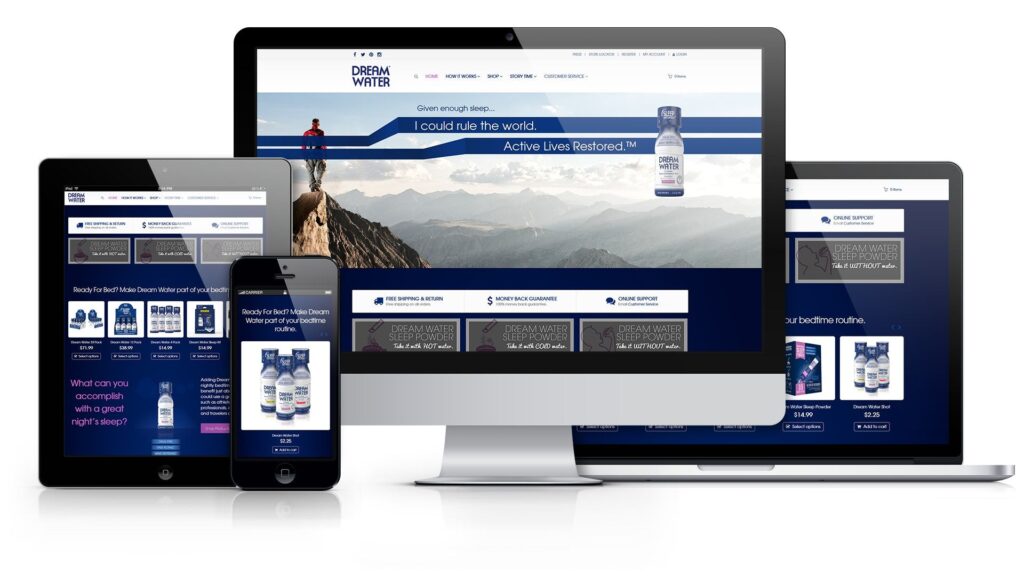
That’s where a clear Call to Action (CTA) matters.
Depending on the business, the next step might be:
Contact Us
Request a Quote
Book a Consultation
Call Now
Learn More
Get Started
A good CTA doesn’t need to be aggressive.
It simply gives the visitor a clear path forward.
Your website shouldn’t make customers guess how to contact you.
Analytics Can Tell You What Your Website Is Really Doing
Sometimes business owners have strong opinions about their websites.
“I think customers like this page.”
“I think everyone reads our About Us section.”
“I think people are finding us through social media.”
But assumptions aren’t always accurate.
Website Analytics can provide a clearer picture.
Businesses can examine things such as:
- Where visitors come from
- Which pages they visit
- How long they stay
- Which pages receive attention
- Where visitors leave
- Which devices they use
- Which actions lead to conversions
This information can reveal opportunities for improvement.
Maybe your service page gets thousands of visitors but very few enquiries.
Maybe your mobile visitors leave quickly.
Maybe one blog article brings a surprising amount of traffic.
Those insights can help shape future decisions.
A Website Should Grow With the Business
A website shouldn’t be considered a project that ends the day it goes live.
Businesses change.
Services change.
Customers change.
Technology changes.
Search behaviour changes.
Your website needs to change too.
This is why Website Maintenance is important.
Regular updates can help keep content accurate, software secure, and performance healthy.
Over time, businesses may also need:
- New service pages
- New landing pages
- Better SEO
- Improved navigation
- New integrations
- Security updates
- Performance improvements
- Fresh content
A website that grows with the business is far more valuable than one that simply sits online unchanged for years.
The Future of Web & Media Services
The web is becoming more interactive, personalized, intelligent, and connected.
Businesses are combining websites with:
AI
SEO
Digital Marketing
Cloud Technology
Analytics
Automation
Cybersecurity
Social Media
Video Content
The website increasingly acts as the central point connecting these activities.
A social media campaign may bring someone to the website.
An SEO article may introduce a new customer.
A video may build interest.
A landing page may generate a lead.
A chatbot may answer a question.
Analytics may show what worked.
All of these pieces can work together.
That’s what makes modern Web & Media Services so important.
Final Thoughts
A website isn’t just a place where your company puts its information.
It is part of your business infrastructure.
It represents your brand when your employees aren’t available.
It can answer questions when your office is closed.
It can introduce your services to people you’ve never met.
It can generate enquiries while your team is sleeping.
But none of that happens simply because a website exists.
It needs to be fast.
It needs to be useful.
It needs to work on mobile devices.
It needs strong content.
It needs security.
It needs SEO.
And most importantly, it needs to make life easier for the people visiting it.
In 2026, businesses shouldn’t ask only:
“Do we have a website?”
They should ask:
“Is our website actually working for our business?”
That’s the question that can lead to better digital decisions.
How Sizaf Infocomm Can Help
At Sizaf Infocomm, we understand that a modern digital presence needs more than an attractive website.
Businesses need reliable connectivity, secure infrastructure, digital services, and technology that supports their online operations.
Our technology solutions include Web & Media Services, Managed IT Services, Network Solutions, Business Connectivity, Cloud Computing, Cybersecurity, and Tech Infrastructure Services.
If your business is ready to strengthen its digital presence and build a more reliable technology foundation, the right solution starts with understanding what your business actually needs.
Get in Touch with Sizaf Infocomm
Malaysia: +60 146600012
USA: +1 516 880 9996
Website: https://sizaf.com