

Your Morning Probably Starts with Smart Technology, Whether You Notice It or Not
Imagine waking up without setting an alarm. Instead, your smart speaker plays your favorite playlist gently as your curtains open to let in the morning sunlight. Your coffee machine has already brewed your first cup, and your thermostat has adjusted the temperature before you even get out of bed.
Sounds futuristic? Not anymore. For millions of people worldwide, this is becoming part of everyday life. And when you leave for work, the smart technology doesn’t stop—it follows you.
Your smartwatch tracks your health. Your navigation app finds the fastest route. Your office adjusts the lighting and air conditioning based on the number of people inside. Meetings happen with colleagues across the globe in just a few clicks.
Welcome to 2026, where Connected Technology is quietly making our lives easier, more efficient, and more connected than ever before. But have you ever stopped to wonder how all of this works? The answer lies in one powerful innovation: the Internet of Things (IoT).
What Is the Internet of Things (IoT)?
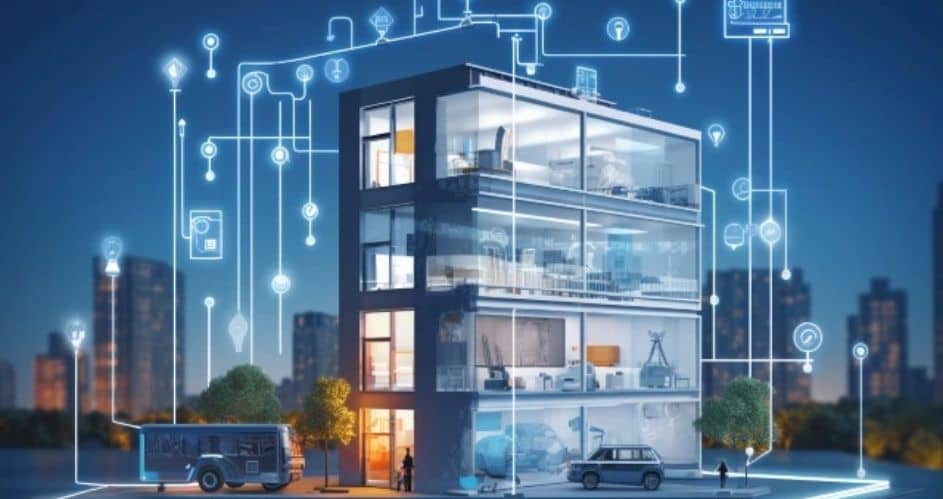
The Internet of Things (IoT) refers to everyday devices connected to the internet that can collect, share, and exchange data without constant human help. Think of it as giving ordinary objects the ability to “communicate.” Instead of just switching on and off, connected devices can make decisions, send notifications, and even work together automatically.
Some common IoT Devices include:
- Smart TVs
- Smart doorbells
- Fitness trackers
- Smart lights
- Security cameras
- Smart thermostats
- Connected appliances
- Smart speakers
- Industrial sensors
What makes these devices “smart” isn’t just the technology itself; it’s their ability to share information and respond intelligently.
Smart Homes: Making Everyday Life Easier
A few years ago, smart homes sounded like something from a science fiction movie. Today, they’re becoming surprisingly common. Imagine leaving your house and realizing you forgot to turn off the lights. Instead of driving back, you just open an app and switch them off remotely. Or picture receiving a notification that someone is at your front door while you’re at work. Your smart doorbell lets you see who’s there and even speak to them through your phone.
These are just a few examples of how Smart Homes improve convenience and security. Other benefits include:
- Better energy efficiency
- Improved home security
- Remote control of household devices
- Greater comfort and convenience
- Lower electricity consumption
It’s not just about luxury. It’s about making everyday life simpler.
Smart Offices Are Changing the Way We Work
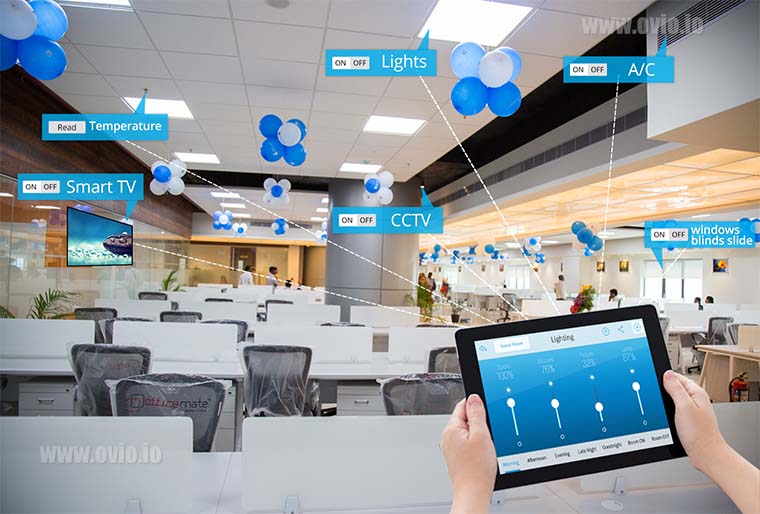
Technology isn’t only transforming our homes; it’s reshaping workplaces too. Modern Smart Offices use connected systems to improve productivity, collaboration, and employee well-being. Imagine walking into your office. The lights automatically turn on. The meeting room is ready. Your desk adjusts to your preferred height. The air conditioning responds to how many people are in the room. Behind the scenes, Connected Devices constantly share information to create a more comfortable and efficient workplace.
Businesses are also using Smart Technology to:
- Monitor energy usage
- Improve workplace safety
- Manage office space efficiently
- Enhance employee collaboration
- Reduce operating costs
It’s a smarter way of working for everyone.
The Rise of Connected Workplaces
Remote and hybrid work have become normal parts of business. To support this shift, companies rely on connected technologies every day. Cloud platforms allow teams to access files from anywhere. Video conferencing keeps global teams connected. Smart scheduling systems optimize meeting rooms. AI-powered assistants help organize tasks and calendars. Together, these technologies create workplaces that are more flexible than ever before.
How IoT Is Improving Healthcare
Healthcare is one of the industries benefiting the most from the Internet of Things (IoT). Today, wearable devices can monitor heart rates, blood pressure, and sleep quality in real time. Doctors can receive health data remotely, allowing them to detect potential problems earlier. Hospitals use connected medical equipment to improve patient care and reduce errors. Even medication management is becoming smarter with connected devices. Technology isn’t replacing healthcare professionals; it’s giving them better tools to care for patients.
Smart Cities Are Becoming a Reality
Connected technology doesn’t stop at homes and offices. Entire cities are becoming smarter. Imagine traffic lights that adjust automatically based on congestion. Streetlights that only turn on when people are nearby. Smart parking systems that help drivers find available spaces quickly. Waste collection systems that notify authorities when bins are full. These innovations help cities become more efficient while reducing energy use and improving quality of life. This is the power of a Connected World.
Businesses Are Embracing Smart Technology

Companies across industries are investing heavily in Smart Technology. Manufacturers use sensors to monitor production lines. Retailers track inventory automatically. Logistics companies monitor deliveries in real time. Farmers use connected sensors to improve crop management. Construction companies keep an eye on equipment remotely. No matter the industry, connected technology helps businesses make faster and smarter decisions.
The Role of Artificial Intelligence and 5G
The growth of Artificial Intelligence (AI) and 5G Connectivity makes IoT even more powerful. AI helps connected devices analyze data and make smart decisions. Meanwhile, 5G allows devices to communicate almost instantly with little delay. Together, these technologies allow:
- Faster automation
- Real-time monitoring
- Smarter decision-making
- Improved customer experiences
The future of connected technology depends on both speed and intelligence.
Security Matters More Than Ever
As more devices connect, security becomes more important. Every connected device is a potential entry point for cyber threats. That’s why businesses and homeowners must prioritize:
- Strong passwords
- Regular software updates
- Secure Wi-Fi networks
- Multi-factor authentication
- Reliable cybersecurity solutions
A smart device should also be a secure device. Building trust is just as essential as building connectivity.
The Future Is More Connected Than Ever
Experts predict that billions of connected devices will be in use over the next few years. Homes will become smarter. Offices will become more intelligent. Cities will become more efficient. Healthcare will become more personalized. Businesses will continue to embrace automation. The goal isn’t just to connect more devices. It’s to improve how people live and work. Technology should solve problems, not create them.
Final Thoughts
Connected technology has quietly become part of our everyday lives. From the moment we wake up to when we go to bed, we interact with IoT Devices more than we realize. Whether it’s a smart thermostat, a wearable fitness tracker, an intelligent office, or a connected car, these innovations are making daily tasks easier, faster, and more efficient. The Internet of Things (IoT) isn’t just about gadgets. It’s about creating meaningful connections between people, devices, and information. As Smart Technology continues to evolve, we’ll see even greater improvements in convenience, sustainability, productivity, and quality of life. The future isn’t just digital. It’s connected. And we’re already living in it.
How Sizaf Infocomm Can Help
As businesses embrace the power of Connected Technology, having the right IT partner is crucial. At Sizaf Infocomm, we help organizations build secure and future-ready digital environments through Managed IT Services, Cloud Computing, Network Solutions, Internet Services, Cybersecurity, and Digital Transformation strategies. Whether you’re creating a smart office or strengthening your business infrastructure, we’re here to help you stay connected and competitive.
Malaysia: +60 146600012
USA: +1 516 880 9996
What Do You Think?
Would you like to live in a fully smart home or work in a completely connected office? Which smart technology has made the biggest difference in your daily life? Share your thoughts in the comments we’d love to hear from you!