
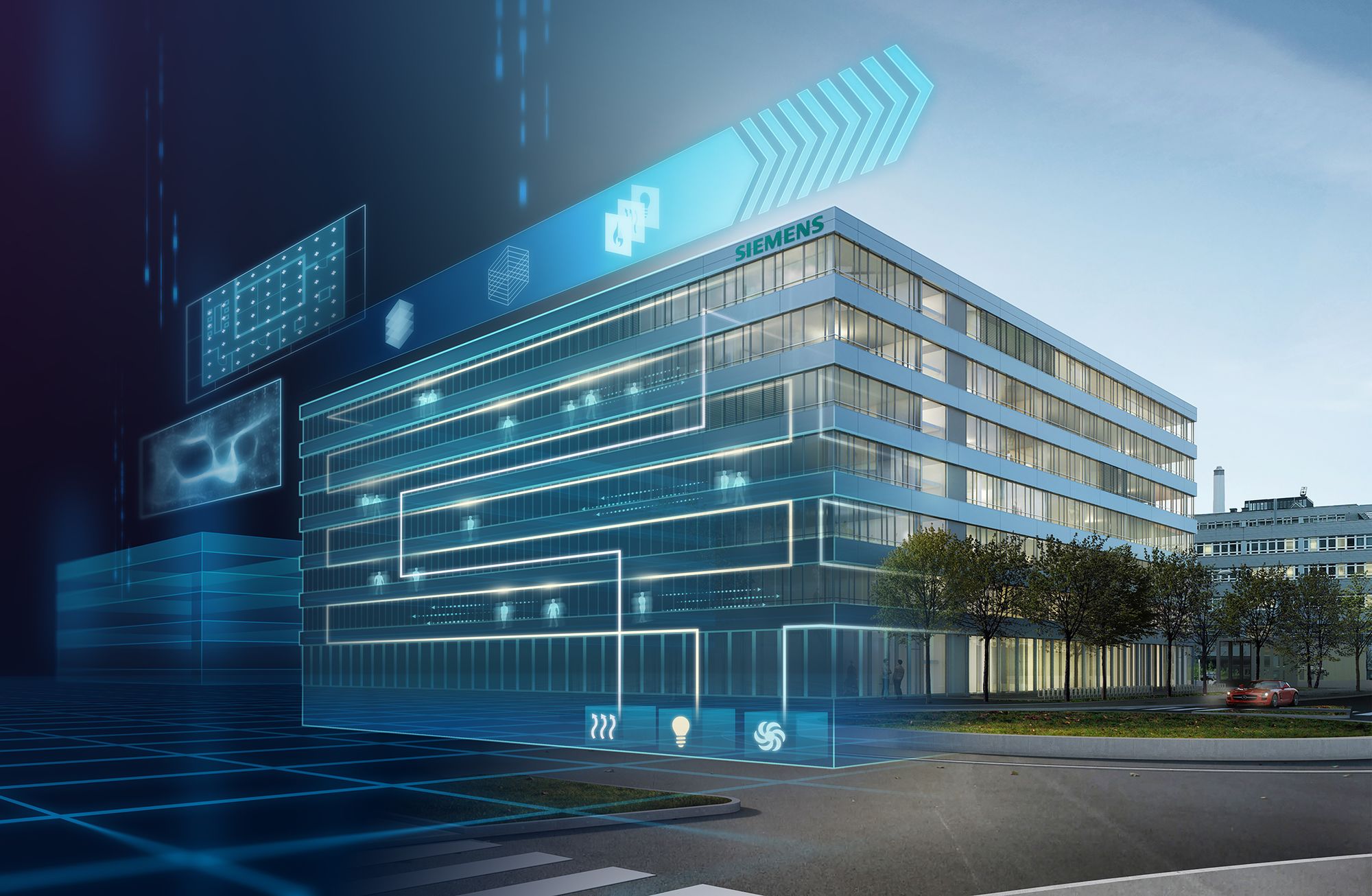
You See the Building. You Don’t See Everything Behind It.
Walk past a newly completed apartment building and it looks simple enough.
A finished entrance.
Fresh paint.
Glass windows.
Parking spaces.
Maybe a beautiful lobby that makes the whole place feel brand new.
But what you see is only the final chapter.
Long before anyone moves in, there has already been a huge amount of planning, communication, paperwork, engineering, budgeting, coordination, and decision-making happening behind the scenes.
Someone had to choose the location.
Someone had to study the land.
Architects had to create plans.
Engineers had to check those plans.
Suppliers had to arrange materials.
Construction teams had to coordinate schedules.
Developers had to manage budgets.
And somewhere along the way, hundreds of pieces had to come together without everything falling apart.
That is what makes the world of Construction & Real Estate so interesting.
A building may look like a physical structure, but creating it is a massive information and coordination exercise.
And technology is changing that process in ways most people never see.
A Property Starts With Information, Not Concrete
Before construction begins, there are questions that need answers.
Is the location suitable?
What can be built there?
What will it cost?
What materials are required?
How long will construction take?
Are there environmental considerations?
What does the final property need to look like?
Years ago, much of this information was handled through physical documents, drawings, meetings, phone calls, and spreadsheets.
Today, more of the process is digital.
That shift is creating a new era of Digital Construction, where information can be created, shared, updated, and reviewed much faster.
And that can make a huge difference when dozens of people are working on the same project.
One Small Mistake Can Become a Big Problem
Imagine an engineer is working from an outdated project drawing.
A contractor follows that drawing.
Materials are ordered based on it.
Work begins.
Then someone discovers that the design has changed.
Now the team has a problem.
Time is lost.
Materials may need to be replaced.
Costs can increase.
Schedules can move.
This is one reason Building Information Modeling (BIM) has become so important.
BIM allows project teams to work with detailed digital representations of buildings and infrastructure.
Instead of simply looking at a flat drawing, teams can understand how different elements of a project fit together.
The earlier a problem is discovered, the easier—and usually cheaper—it is to fix.
Construction Sites Are Becoming More Connected
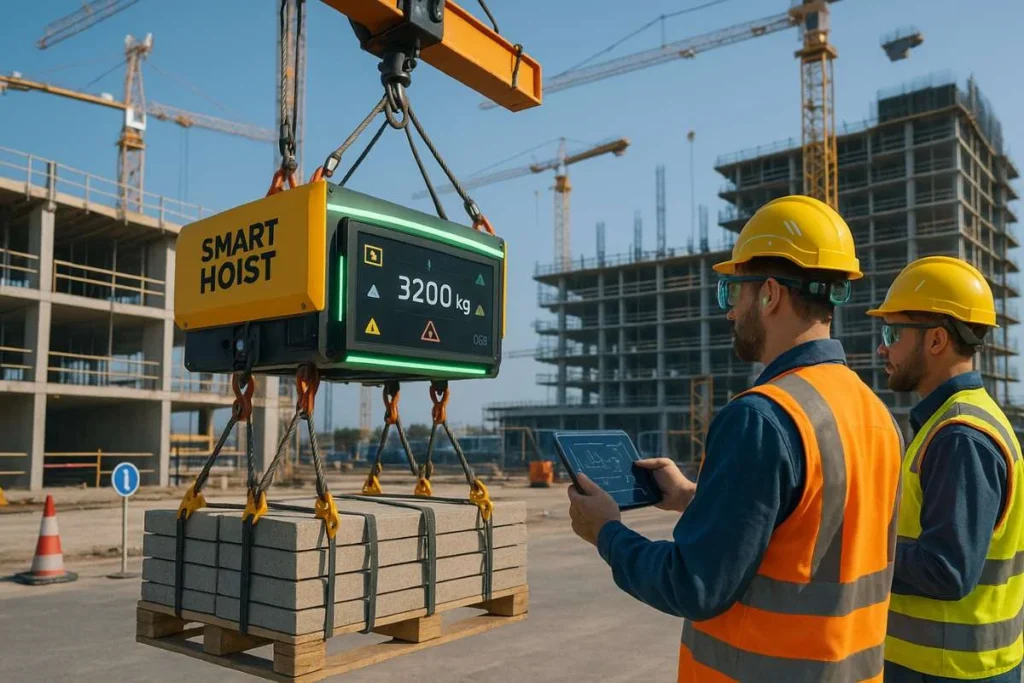
A construction site may look completely physical from the outside.
But increasingly, there’s a digital layer working underneath it.
Project managers can share updates remotely.
Engineers can review information from different locations.
Teams can access documents through cloud platforms.
Connected devices can provide information about equipment and site conditions.
This is where Cloud Computing Solutions and reliable Network Services become useful.
The people working on a project don’t always need to be in the same place anymore.
What they need is access to the right information at the right time.
The Property Market Has Changed Too
Construction is only one side of the story.
Real estate has changed dramatically as well.
Think about how people search for properties today.
They don’t necessarily start by visiting an agent’s office.
They search online.
They compare prices.
They look at photographs.
They watch walkthrough videos.
They check locations.
They explore neighbourhoods virtually.
And sometimes, they shortlist a property without ever seeing it physically.
This is the influence of PropTech—technology designed to improve different parts of the real estate experience.
Your Next Home Might Be Viewed on a Screen First

Imagine you’re moving to another city.
You don’t want to spend an entire weekend visiting twenty properties.
Instead, you can narrow your choices online.
A virtual tour gives you a sense of the layout.
Videos show the property in greater detail.
Maps help you understand the surrounding area.
Online information lets you compare properties more easily.
Eventually, you visit only the ones you’re genuinely interested in.
Technology doesn’t remove the need to see a property.
It simply makes the journey to that decision more efficient.
Smart Buildings Are More Than a Fancy Feature
A building doesn’t become “smart” simply because it has a few connected devices.
A genuinely Smart Building can use technology to understand what’s happening inside the property.
Think about:
- Energy consumption
- Temperature
- Lighting
- Security
- Occupancy
- Equipment performance
- Maintenance requirements
Instead of operating everything manually, connected systems can collect information and help building managers make better decisions.
For a large commercial property, even small improvements in energy or maintenance efficiency can become significant over time.
What Happens When the Building Is Finished?
This is something people often forget.
Construction ends.
But property management continues for years.
A building still needs:
- Security
- Maintenance
- Connectivity
- Energy management
- Access control
- Repairs
- Monitoring
- Communication systems
This is where Smart Building Technology can continue creating value long after the construction workers have left the site.
The building isn’t finished from a technology perspective just because the keys have been handed over.
Cybersecurity Is Now Part of Property Management
Here’s something that may surprise people.
A modern property can have dozens of connected systems.
Security cameras.
Digital access controls.
Building management systems.
Wi-Fi networks.
Tenant platforms.
Payment systems.
Property management software.
The more connected a property becomes, the more important Cybersecurity Solutions become.
A connected building needs protection just like a connected business does.
Security is no longer limited to locks, gates, and security guards.
There is now a digital side to property security too.
Reliable Connectivity Is Becoming Part of the Property

Think about what tenants expect from a modern commercial or residential property.
They want internet access.
They want digital security.
They want smart devices to work.
Businesses need cloud applications.
Property managers need online systems.
Visitors may expect digital access.
All of these experiences depend on connectivity.
That makes Network Services an increasingly important part of modern property infrastructure.
In some properties, reliable connectivity is becoming almost as fundamental as electricity and water.
Construction Is Also Becoming More Sustainable
The industry is under growing pressure to think about sustainability.
How much energy will a building use?
How efficiently can it operate?
Can waste be reduced?
Can resources be managed more effectively?
Technology can help answer some of these questions.
Green Building Technology can include smart energy systems, monitoring tools, efficient building management, and connected infrastructure.
The important point is that sustainability isn’t only something to consider after construction.
It can be built into the design from the beginning.
Technology Doesn’t Replace Construction Professionals
It’s easy to hear about AI, automation, BIM, drones, smart buildings, and other technologies and assume that technology will eventually take over the industry.
But construction and real estate still depend heavily on people.
Architects bring creativity.
Engineers bring expertise.
Construction workers bring practical skills.
Project managers coordinate people and resources.
Real estate professionals understand markets and relationships.
Technology doesn’t replace that experience.
It gives professionals better information and better tools.
And sometimes, having better information is enough to make a very big difference.
What Does the Future of Construction & Real Estate Look Like?
It probably won’t look like science fiction.
It will look surprisingly normal.
Buildings will simply become more connected.
Project teams will collaborate more digitally.
Property searches will become more interactive.
Maintenance will become more data-driven.
Security will include both physical and digital protection.
And customers will expect a smoother experience from the first property search to the day they receive the keys.
That’s where Digital Transformation in Construction and real estate becomes meaningful.
Not because technology sounds impressive.
Because it can make everyday processes work better.
How Sizaf Infocomm Supports a Connected Industry
As construction companies, developers, property managers, and real estate organizations become more dependent on digital systems, reliable technology infrastructure becomes increasingly important.
Sizaf Infocomm supports organizations with solutions including:
- Network Services
- Managed IT Services
- Cloud Computing Solutions
- Cybersecurity Solutions
- Digital Infrastructure Management
- Technology solutions for connected business environments
The aim is simple: help organizations stay connected, secure, and ready for the next stage of digital growth.
Final Thoughts
The next time you walk past a newly completed building, look at it a little differently.
You’re not just looking at concrete, glass, steel, and paint.
You’re looking at the result of thousands of decisions.
Designs.
Calculations.
Budgets.
Materials.
People.
Technology.
And countless pieces of information coming together.
That’s why the future of Construction & Real Estate isn’t only about constructing bigger buildings or selling more properties.
It’s about making the entire process smarter.
From the first digital design to the final property handover—and even through years of property management—technology is quietly becoming part of the journey.
And perhaps that’s the most interesting part.
The smartest buildings and construction projects may not look dramatically different from the outside.
They’ll simply work better behind the scenes.
To discuss your technology needs, reach out to Sizaf Infocomm:
Malaysia: +60 146600012
USA: +1 516 880 9996