
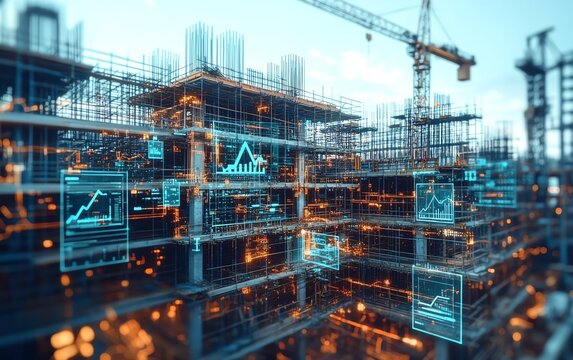
A Construction Site Doesn’t Look Very Digital But Look Again
When most people imagine construction, they probably picture something familiar.
Workers wearing helmets.
Cranes moving materials.
Concrete being poured.
Engineers looking at drawings.
And people walking around a site making sure everything is going according to plan.
But behind all that physical work, something very different is happening.
Data is moving.
Teams are communicating online.
Plans are being shared digitally.
Budgets are being tracked through software.
Clients are checking project updates remotely.
And property buyers are exploring homes without always visiting them first.
The Construction & Real Estate industry may look traditional from the outside, but technology is quietly changing almost every part of it.
Building a Property Starts Long Before Construction Begins
Before the first brick is placed, there is a lot of work happening behind the scenes.
Architects create designs.
Engineers review plans.
Contractors calculate costs.
Developers manage timelines.
Suppliers organize materials.
Clients make decisions.
Traditionally, much of this involved paperwork, phone calls, physical meetings, and endless spreadsheets.
Today, more of this work is moving online.
Digital platforms allow different teams to access information, share updates, and collaborate without always being in the same place.
That’s one of the biggest advantages of Digital Transformation in Construction.
It doesn’t necessarily change what people build.
It changes how they work together to build it.
Construction Projects Are Becoming More Connected
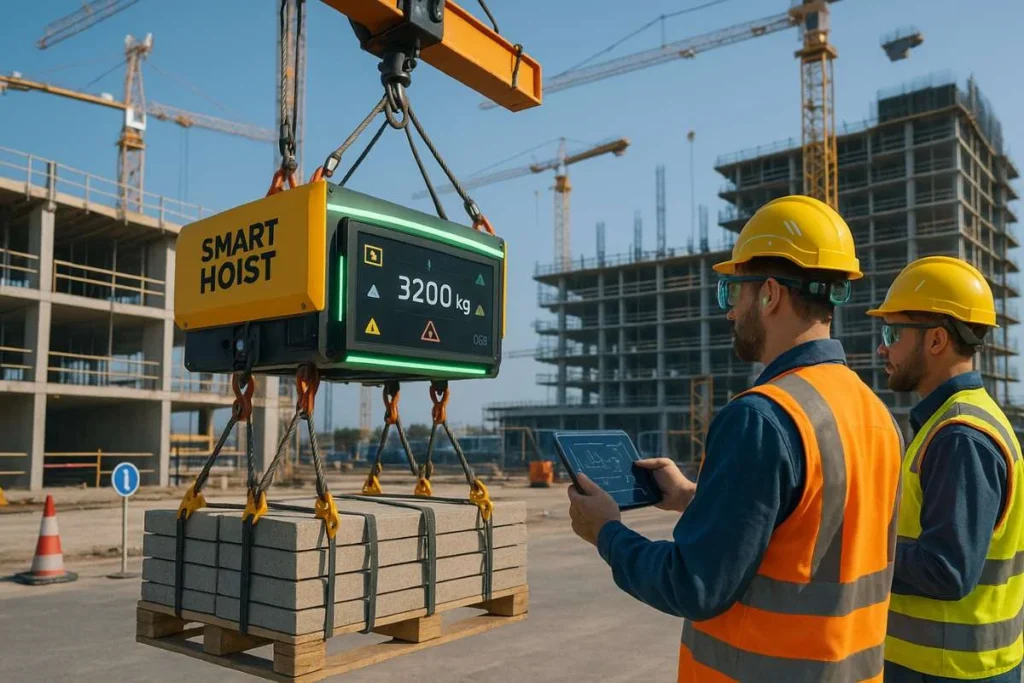
Think about a large construction project.
There could be architects, engineers, contractors, suppliers, project managers, property developers, and clients involved.
And everyone needs information.
If one team is working with an outdated drawing, a small mistake can quickly become an expensive problem.
This is where connected digital systems can help.
With the right Cloud Computing Solutions, project documents, drawings, schedules, and other information can be accessed by authorized team members from different locations.
Instead of asking, “Which version are you using?”
Everyone can work from the same updated information.
That sounds simple.
But on a large project, it can save a lot of time and confusion.
BIM Is Changing How Buildings Are Planned
One technology that has become increasingly important in construction is Building Information Modeling (BIM).
BIM goes beyond creating a simple digital drawing.
It can create a detailed digital representation of a building and help teams understand how different elements fit together.
Architects, engineers, and contractors can use BIM to identify potential problems earlier.
And finding a problem on a computer screen is usually much cheaper than finding it after construction has already begun.
That’s one reason BIM has become an important part of modern construction planning.
Smart Buildings Are Changing Real Estate
Technology doesn’t stop when the building is finished.
It continues inside the building.
Modern properties can include:
- Smart lighting
- Connected security systems
- Energy monitoring
- Automated climate controls
- Digital access systems
- Connected appliances
- Building management platforms
These technologies are contributing to the growth of Smart Buildings.
For property owners, they can improve efficiency and help monitor building performance.
For occupants, they can make everyday life more convenient.
And for developers, smart technology can make a property more attractive in a competitive market.
Buying Property Is Becoming More Digital

Real estate has changed too.
You don’t necessarily need to visit ten properties before creating a shortlist.
You can search online.
Compare prices.
Look at photographs.
Watch property videos.
Explore virtual tours.
Check locations on digital maps.
Read reviews.
And contact agents from your phone.
Real Estate Technology, often referred to as PropTech, is making property discovery and management more digital.
The physical property hasn’t changed.
The way people interact with it has.
Virtual Tours Are Changing the Property Search
Imagine you’re looking for a property in another city.
Travelling there just to view five or six properties could be expensive and time-consuming.
Virtual property tours can make the first stage of that process much easier.
A buyer can explore rooms remotely, understand the layout, and decide whether a physical visit is worthwhile.
It doesn’t completely replace visiting a property.
But it can make the process much more efficient.
That’s a good example of technology improving an existing experience rather than trying to completely replace it.
Cybersecurity Is Becoming a Real Estate Issue Too
When people think about Cybersecurity, construction and real estate may not be the first industries that come to mind.
But think about the information these businesses handle.
Property ownership records.
Contracts.
Financial information.
Customer details.
Employee information.
Project documents.
Payment information.
Much of this information is now stored and shared digitally.
That makes Cybersecurity Solutions increasingly important for property developers, construction companies, agencies, and property management businesses.
A secure digital environment isn’t simply about protecting computers.
It’s about protecting the business and the people who trust it.
Reliable Connectivity Keeps Modern Projects Moving

Imagine a construction manager trying to access an important project document from a site where the connection keeps dropping.
Or an engineer trying to join a video meeting with a client.
Or a property management team trying to access a cloud-based system.
Technology is only useful when people can actually connect to it.
That’s why reliable Network Services are becoming increasingly important across the industry.
Construction sites, offices, property management teams, and remote workers all need dependable connectivity to keep information moving.
Data Can Help Buildings Become More Efficient
A modern building can generate a surprising amount of information.
Energy usage.
Temperature.
Equipment performance.
Security activity.
Occupancy.
Maintenance requirements.
With the right systems, this information can help property managers understand how a building is performing.
Instead of waiting for something to break, organizations can use Smart Building Technology and data analytics to identify potential issues earlier.
That can improve maintenance and potentially reduce unnecessary costs.
Technology Can Also Make Construction Safer
Construction remains a physically demanding industry.
Safety will always be a priority.
Technology can help support that goal through connected equipment, monitoring systems, digital safety reporting, drones, sensors, and other tools.
These technologies don’t replace experienced workers or safety professionals.
They give them more information.
And better information can lead to better decisions.
Sustainability Is Becoming Part of the Conversation
The construction and real estate industries are also facing increasing pressure to build and operate more sustainably.
Technology can help.
Smart energy management systems can monitor consumption.
Digital building models can help teams plan more efficiently.
Connected systems can identify areas where resources are being wasted.
Data can help property managers understand how buildings perform over time.
This is where Green Building Technology and digital infrastructure can work together.
Sustainability isn’t only about using fewer resources during construction.
It’s also about thinking about how a building will operate for years after it’s completed.
The Future Isn’t About Replacing People
There’s sometimes a fear that technology will completely automate construction and real estate.
That’s unlikely.
Construction still needs skilled workers.
Engineering still requires human judgment.
Real estate still depends heavily on relationships.
Property buyers still want advice.
Clients still want someone they can trust.
Technology isn’t replacing those things.
It’s helping people do them better.
A project manager can spend less time searching through spreadsheets.
An agent can spend less time answering repetitive questions.
An engineer can identify potential problems earlier.
A property manager can understand building performance more clearly.
That’s where technology creates real value.
What Does a Digitally Ready Construction & Real Estate Business Look Like?
It doesn’t necessarily mean having the most expensive technology.
It means having the right technology in the right places.
A digitally prepared business may use:
Cloud Computing Solutions for collaboration and document management.
Network Services for reliable communication and connectivity.
Cybersecurity Solutions to protect sensitive information.
Building Information Modeling (BIM) for better project planning.
Smart Building Technology for connected properties.
Real Estate Technology to improve property discovery and management.
Digital Infrastructure Management to keep technology reliable.
The goal isn’t technology for the sake of technology.
The goal is better work.
How Sizaf Infocomm Supports Construction & Real Estate
As construction and property businesses become more connected, dependable technology infrastructure becomes increasingly important.
Sizaf Infocomm supports organizations with:
- Network Services
- Managed IT Services
- Cloud Computing Solutions
- Cybersecurity Solutions
- Digital Infrastructure Management
- Digital transformation support
These solutions can help businesses stay connected, protect important information, and build a stronger digital foundation for future growth.
Final Thoughts
Construction will always involve physical work.
Buildings still need foundations.
Walls still need to be built.
Engineers still need to inspect designs.
Real estate will always involve physical places.
People will still want to walk through homes.
Businesses will still need offices.
Investors will still look at properties.
But the way we plan, build, sell, and manage those physical spaces is changing.
Technology is bringing more information into the process.
It’s making collaboration easier.
It’s helping identify problems earlier.
It’s improving property experiences.
And it’s giving businesses better ways to understand what is happening around them.
That’s why the future of Construction & Real Estate isn’t simply about building bigger or selling faster.
It’s about building smarter, safer, more connected, and more sustainable spaces.
And the interesting part?
Much of that transformation is happening quietly behind the scenes.
You may not notice the technology when you walk into a modern building.
But there’s a good chance it’s already working around you.