
How Construction Technology Is Changing the Way We Build and Manage Properties
Think about the last time you passed a construction site. You probably saw workers, heavy machinery, building materials, and people moving from one place to another. But behind all that physical work, there is another side of construction that many people never see: the technology keeping everything organised.
A construction project involves much more than laying bricks or putting up walls. Teams need to manage budgets, coordinate workers, track materials, communicate with suppliers, and make sure the project stays on schedule. Even a small delay can affect the entire timeline.
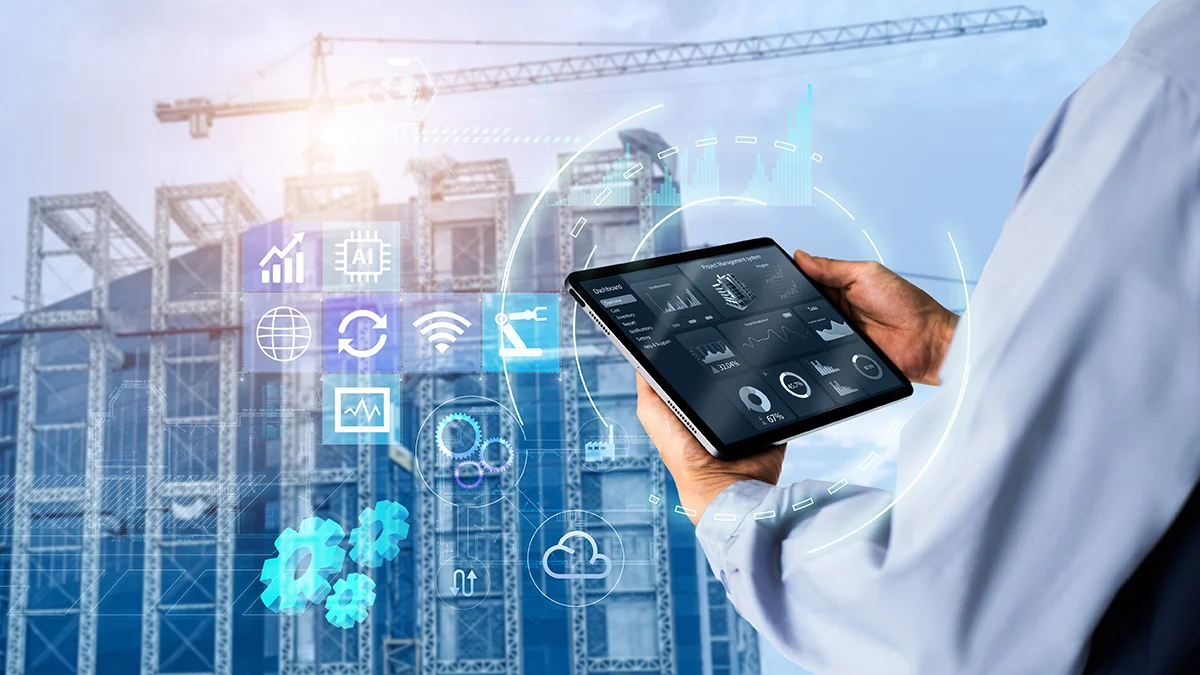
This is where construction technology is making a real difference. From digital project management to smart buildings, technology is helping construction companies work more efficiently, make better decisions, and manage properties with greater confidence.
For Malaysia’s growing construction and real estate sector, adopting the right digital tools is becoming increasingly important. The goal is not to replace skilled workers with technology. It is to give people better tools to do their jobs.
Why Is Technology Becoming Important in Construction and Real Estate?
Imagine a contractor managing three projects at different locations. One team sends updates through WhatsApp, another keeps information in spreadsheets, and a third relies on paper documents. When the project manager needs the latest figures, finding the correct information can become a challenge.
Now imagine having a central system where project schedules, expenses, documents, and progress reports are available to authorised team members. Decisions become easier because everyone can work with more consistent information.
That is one of the biggest advantages of digital transformation in construction.
Technology can help companies:
- Improve communication between office staff and site teams.
- Monitor project progress and deadlines.
- Keep budgets and expenses organised.
- Reduce manual paperwork and repeated data entry.
- Improve coordination with suppliers and contractors.
- Manage property information more efficiently.
These improvements may seem simple, but they can make a meaningful difference when a project involves multiple teams, tight deadlines, and significant financial investment.
1. Digital Project Management Keeps Everyone on the Same Page
Construction projects rarely follow a perfectly straight path. Weather conditions change, materials arrive late, and unexpected site issues can affect schedules.
Without proper coordination, a small problem can quickly turn into a bigger delay.
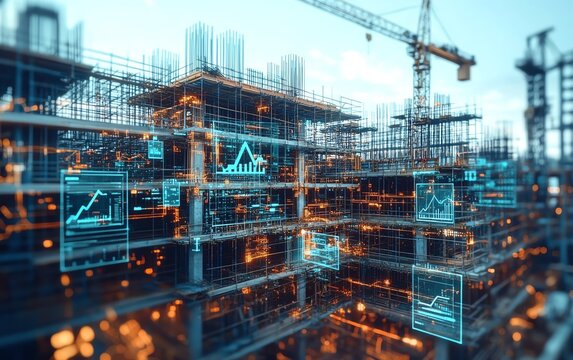
Construction project management software helps teams organise schedules, assign tasks, record updates, and track milestones from one place. Depending on the platform, project managers may also share drawings, upload site photographs, and monitor outstanding issues.
For example, if a supplier delays the delivery of essential materials, the project manager can update the schedule and inform the relevant teams earlier. This gives everyone more time to adjust their plans.
The real benefit is not simply having another software tool. It is reducing confusion and helping people understand what needs to happen next.
2. Better Internet Connectivity Supports Smarter Construction Sites
Modern construction sites depend on reliable communication. Site supervisors may need to send progress photographs, attend video meetings, access digital drawings, or update cloud-based systems while working away from the main office.
When connectivity is unreliable, these everyday tasks can become frustrating.
Reliable business internet connectivity and suitable network solutions help connect site offices, project teams, suppliers, and management systems. Depending on the location and requirements, businesses may use fibre broadband, secure wireless networks, mobile connectivity, or a combination of technologies.
A stable connection also supports cloud computing, allowing authorised employees to access current project documents without relying entirely on files stored on a single office computer.
For construction companies operating across several locations, connectivity is not just an IT consideration. It is part of keeping the entire project moving.
3. Building Information Modelling Helps Reduce Costly Mistakes
Have you ever noticed how expensive it can be to correct a mistake after construction work has already begun? A change that looks simple on a drawing may require additional labour, materials, and time once the work is underway.
Building Information Modelling (BIM) helps project teams create and work with detailed digital representations of buildings. These models can contain information about structural components, layouts, materials, and building systems.
Architects, engineers, and contractors can use BIM to coordinate their work and identify certain design conflicts before they become problems on site.
For instance, a digital model may help teams spot a potential clash between electrical systems and plumbing layouts before installation begins.
BIM does not eliminate every construction error, but it can improve visibility, coordination, and planning when the model is maintained properly and teams use it effectively.
4. Smart Buildings Are Changing Property Management
The work does not end when a building is completed. Owners and property managers still need to maintain equipment, manage energy consumption, monitor access, and respond to maintenance requests.
This is where smart building technology can be useful.
Depending on the building and its budget, smart systems may include:
- Automated lighting and temperature controls.
- Smart access systems and security monitoring.
- Sensors that help identify equipment problems.
- Energy monitoring tools.
- Digital maintenance and facility management systems.
For example, a property manager who receives an alert about unusual equipment performance may be able to arrange an inspection before the problem causes a major disruption.
Similarly, energy monitoring can help building operators identify areas where electricity is being used inefficiently.
The value of a smart building is not measured by the number of connected devices it contains. It comes from how effectively those devices improve comfort, safety, maintenance, and everyday operations.
5. Cybersecurity Matters More Than Ever

Construction and real estate businesses handle valuable information, including contracts, architectural drawings, customer records, payment details, supplier information, and property documents.
As more of this information moves online, cybersecurity for construction companies deserves serious attention.
A compromised email account, stolen password, or infected computer can disrupt operations and expose confidential information. Smaller contractors and property firms can face these risks too; a large IT department is not required for a cyberattack to cause problems.
Businesses can strengthen their protection by using multi-factor authentication, regularly updating software, backing up important files, limiting access to sensitive information, and training employees to recognise suspicious messages.
Secure IT infrastructure and well-maintained network security also help protect the systems employees rely on every day.
Cybersecurity should not be treated as something to consider only after an incident. It needs to be part of the company’s normal working practices.
6. Data and AI Can Help Teams Make Better Decisions
Construction managers often need to make decisions using information from budgets, schedules, equipment, suppliers, and site reports. When that information is organised, it becomes easier to identify patterns and potential problems.
Artificial intelligence in construction can support tasks such as analysing project information, preparing summaries, identifying possible schedule risks, and assisting with estimates. Some tools can also help process site images or organise large volumes of project documentation.
However, AI is not a replacement for professional judgement. Its results depend on the quality of the available information, and important engineering, safety, financial, and legal decisions still require appropriate human review.
For a company just beginning its digital journey, it may be more useful to organise its existing data and improve basic processes before investing in advanced AI systems.
The smartest approach is to start with a real business problem and choose technology that can help solve it.
7. The Human Side of Construction Still Matters
With so much attention on digital tools, it is easy to forget that construction remains a people-driven industry.
Experienced site supervisors understand practical challenges that software may not recognise. Engineers bring technical knowledge, contractors coordinate complex work, and property managers understand the needs of occupants.
Technology works best when it supports these skills rather than making everyday tasks more complicated.
Before adopting a new system, companies should consider whether employees can use it comfortably, whether it fits their current workflow, and whether proper training is available.
A simple tool that teams actually use is often more valuable than an advanced platform that nobody understands.
How SIZAF NET WITH TECH Fits Into the Digital Construction Journey
Every construction and real estate business has different requirements. A small contractor may need dependable connectivity and basic IT support, while a property management company operating across multiple locations may require more extensive network infrastructure and system management.
SIZAF NET WITH TECH focuses on technology solutions that support the needs of individuals, offices, businesses, and industries. For construction and real estate organisations, suitable network services, technology infrastructure, and managed IT services can form part of a more connected and organised working environment.
The first step is to understand where the business is experiencing difficulties. Is communication between sites unreliable? Are systems difficult to maintain? Do employees struggle to access the information they need? Are security practices due for improvement?
Answering these questions helps businesses choose solutions that fit their actual needs instead of spending money on technology simply because it is popular.
Learn more about the company’s approach to technology solutions at SIZAF NET WITH TECH.
Final Thoughts: Build Smarter, Not Just Bigger
Construction and real estate will always depend on good planning, skilled people, quality materials, and careful execution. Technology cannot replace these foundations, but it can help businesses manage them more effectively.
From construction project management software and Building Information Modelling (BIM) to reliable connectivity, smart buildings, and cybersecurity, the right digital tools can reduce confusion and support better decisions throughout a property’s lifecycle.
Companies do not need to change everything overnight. Starting with one clear problem, choosing a practical solution, and improving it over time can be a sensible way forward.
As Malaysia’s construction and property sectors continue to evolve, businesses that combine practical experience with reliable digital systems will be better prepared to handle new challenges and opportunities.
Looking for technology solutions for your construction or real estate operations?
Reach out to SIZAF NET WITH TECH:
Malaysia: +60 146600012
USA: +1 516 880 9996