

How Ecommerce Technology Is Changing the Way People Shop
Think about how you bought something online recently. Perhaps you compared prices on two websites, checked customer reviews, looked at delivery options, and finally placed an order from your phone.
The entire process might have taken only a few minutes. Yet, behind that simple purchase, several systems were working together: the online store, payment gateway, inventory software, delivery service, and customer support platform.
That is what makes modern retail interesting. Customers see a convenient shopping experience, while businesses have to manage many moving parts to make it happen.
Today, ecommerce technology is changing how retailers attract customers, manage products, process orders, and build lasting relationships with shoppers. From small Malaysian businesses selling through social media to established retailers operating across multiple channels, technology is becoming an important part of everyday retail operations.
But having an online store is not enough. Customers expect websites to work smoothly, payments to feel secure, product information to be accurate, and deliveries to arrive as promised.
So, what can retailers do to keep up with these expectations?
1. Customers Expect Online Shopping to Be Simple
Imagine visiting an online store because you want to buy a pair of shoes. The website takes too long to load, the product images are unclear, and you cannot find the delivery charges until the final checkout page.
Would you continue shopping or look for another store?
Many customers will simply leave.
A smooth online shopping experience can make a significant difference to whether visitors complete their purchases. Retailers need to make product searches, navigation, pricing, and checkout as straightforward as possible.
A user-friendly ecommerce website should offer:
- Clear product descriptions and good-quality images.
- Simple navigation and useful search filters.
- Transparent pricing and delivery information.
- A checkout process that works well on mobile devices.
- Easy access to customer support and return policies.
For Malaysian retailers, mobile-friendly design is especially important because many customers browse and shop using their smartphones.
The lesson is simple: customers should spend their time choosing products, not struggling to understand how your website works.
2. Artificial Intelligence Is Making Shopping More Personal
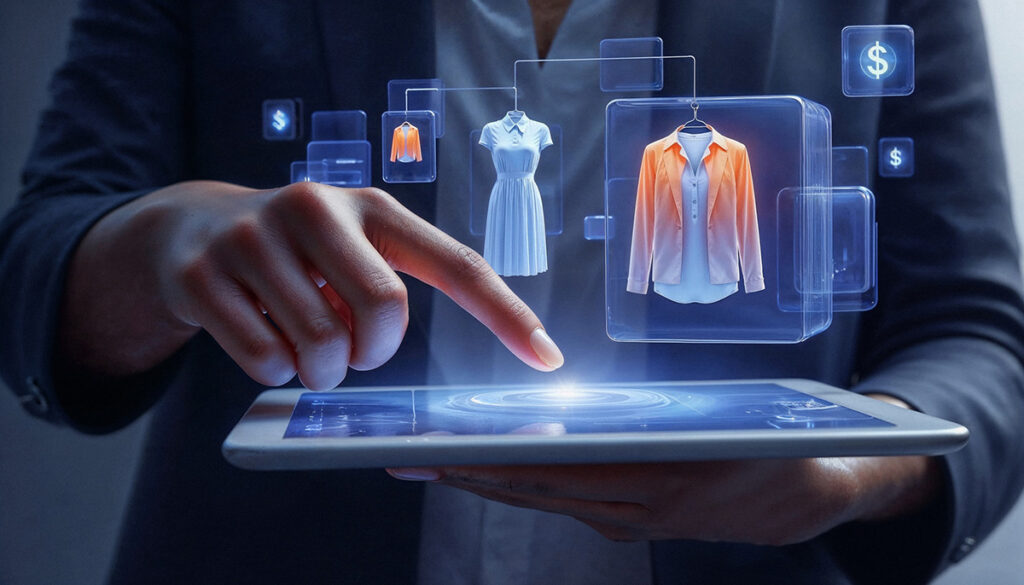
Have you ever visited an online store and noticed product suggestions based on what you were browsing? That is one way retailers use technology to make shopping more relevant.
AI in ecommerce can help businesses analyse shopping patterns, organise product recommendations, answer common customer questions, and support inventory planning.
For example, an online clothing store may use recommendation tools to suggest matching accessories. A beauty retailer might help customers discover products based on their stated preferences. A customer service chatbot could answer basic questions about delivery or store policies outside normal business hours.
These tools can save time for both customers and retailers when they are implemented properly.
However, personalisation needs to be handled thoughtfully. Customers should not feel that a store is collecting unnecessary information or making uncomfortable assumptions about them.
Retailers should use appropriate data protection practices and ensure that automated systems provide useful, accurate information.
AI can make shopping more convenient, but the goal should always be to help customers make better choices rather than simply encourage them to buy more.
3. Digital Payments Are Making Checkout More Convenient
A customer may spend twenty minutes comparing products and still abandon a purchase if the payment process feels confusing or unreliable.
That is why digital payment solutions are an important part of modern ecommerce.
Depending on the market and payment provider, online stores may offer cards, online banking, digital wallets, and QR-based payment options. In Malaysia, familiar digital payment methods can help make checkout more convenient for customers.
A good checkout experience should explain the available payment options, display the final amount clearly, and provide confirmation once an order has been placed.
Retailers also need to pay attention to payment security. Secure payment gateways, appropriate access controls, software updates, and fraud-monitoring measures can help reduce risks.
Customers want convenience, but they also want confidence that their financial information is being handled responsibly.
A payment system should therefore be easy to use without compromising security.
4. Inventory Management Helps Prevent Missed Sales
Picture a customer ordering a product from your website, only to discover later that it is out of stock. The customer is disappointed, your team has to arrange a refund or replacement, and your business may lose a future sale.
Poor stock visibility can create problems for retailers, especially when they sell through a website, a physical shop, and social media at the same time.
Inventory management software helps businesses track stock levels, record sales, and monitor product availability. When integrated with other business systems, it can also reduce the need to update the same information manually in several places.
For example, when the last unit of a product is sold in a physical shop, a connected system may update its availability online. The exact process depends on the software and integrations being used.
Better inventory visibility can help retailers reduce overselling, plan restocking, and understand which products are moving quickly.
Technology cannot guarantee that every supply problem will disappear, but it can give businesses better information to work with.
5. Fast Websites Can Improve the Shopping Experience
Customers rarely think about servers, network infrastructure, or website optimisation when shopping. They simply expect the store to open quickly and respond when they click something.
A slow website can interrupt that experience. Product pages may take too long to load, images may appear late, or checkout may become frustrating on a mobile connection.
Website performance optimisation helps retailers improve loading speed, usability, and reliability. Depending on the website, improvements may include compressing images, reducing unnecessary scripts, choosing suitable hosting, and monitoring technical errors.
Reliable business internet connectivity is also important for retail teams managing orders, updating products, communicating with suppliers, and processing customer enquiries.
For ecommerce companies handling larger operations, suitable cloud computing and network infrastructure can support access to business applications and digital resources.
A fast website does not automatically guarantee more sales, but it removes unnecessary friction from the customer journey.
6. Social Commerce Is Bringing Shopping Closer to Customers
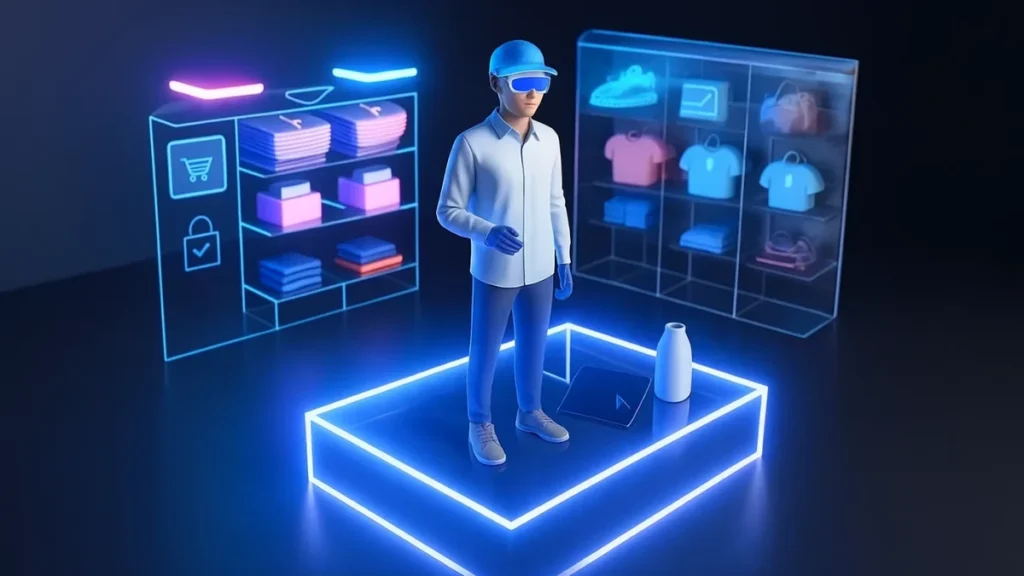
People do not always begin their shopping journey by searching for a product on Google. Sometimes, they discover something while watching a video, following a creator, or browsing social media.
This is one reason social commerce has become an important opportunity for retailers.
Social platforms can help businesses introduce products, demonstrate how they work, answer questions, and direct interested customers towards a purchase. Depending on the platform and available features, shoppers may be able to buy directly or visit the retailer’s website to complete the transaction.
Consider a small Malaysian food business sharing a short video showing how its products are prepared and packaged. A useful demonstration can give potential customers a clearer idea of what they are buying.
However, successful social commerce involves more than posting attractive pictures. Businesses need accurate product details, prompt responses, clear ordering instructions, and reliable fulfilment.
Social media may help customers discover a brand, but the quality of the overall shopping experience influences whether they return.
7. Customer Trust Is the Foundation of Ecommerce Growth
Online shoppers cannot always inspect a product before purchasing it. They rely on photographs, descriptions, reviews, policies, and the seller’s reputation to decide whether a store is trustworthy.
That makes customer trust in ecommerce extremely valuable.
Retailers can strengthen trust by providing honest product information, displaying clear prices, explaining return conditions, and communicating realistic delivery times. Customer reviews can also help shoppers understand what to expect, provided they are genuine and presented responsibly.
Security is equally important. Businesses should protect customer accounts, limit access to sensitive information, maintain updated software, and prepare for possible security incidents.
Good ecommerce cybersecurity practices help protect both the business and its customers. Retailers should also understand the privacy and consumer protection requirements that apply to their operations.
Trust is not built through a single badge or statement on a website. It grows when customers consistently receive the service they were promised.
8. Data Analytics Helps Retailers Make Smarter Decisions
Retailers collect useful information through orders, website visits, customer enquiries, inventory records, and marketing campaigns. When this information is organised properly, it can help businesses understand what is happening across their operations.
Retail data analytics can reveal which products attract attention, where shoppers abandon their carts, which campaigns generate sales, and when demand tends to increase.
For example, a retailer might notice that a particular product receives many website visits but very few purchases. After reviewing the product page, the business may discover that delivery charges are unclear or important product details are missing.
That insight gives the team something specific to improve.
Data can also support stock planning and campaign evaluation. However, retailers should avoid relying on a single metric. High website traffic, for example, does not necessarily mean strong sales or healthy profits.
The most useful analysis connects customer behaviour with practical business decisions.
9. Sustainable Retail Starts With Better Planning
Customers and businesses are paying increasing attention to packaging, delivery efficiency, waste, and the environmental impact of everyday operations.
Technology can support more responsible retail operations by improving inventory visibility, helping businesses plan deliveries, and reducing unnecessary paperwork. Accurate stock information can also help prevent avoidable waste caused by over-ordering or poor stock management.
For instance, a retailer with better demand information may be able to order products more carefully instead of keeping excessive stock that might never sell.
These benefits depend on how systems are designed and used. Digital tools are not automatically sustainable, but they can help businesses identify inefficiencies and make more informed choices.
Small improvements in purchasing, packaging, and fulfilment can add up when they become part of everyday business practices.
How SIZAF NET WITH TECH Supports Connected Retail Businesses
Running an online store involves much more than displaying products. Retailers need dependable connectivity, accessible business systems, effective communication, and technology that supports daily operations.
SIZAF NET WITH TECH focuses on technology solutions for individuals, offices, businesses, and industries. For retail and ecommerce organisations, suitable network solutions, technology infrastructure, and managed IT services can support the systems teams use to manage orders, communicate with customers, and work with digital applications.
The right setup will depend on the size of the business and its requirements. A small online seller may need reliable internet connectivity and basic IT support, while a retailer with multiple outlets may require more extensive network management and coordination across locations.
Rather than investing in every new tool, businesses should begin by identifying their biggest challenges and choosing practical solutions that address them.
Final Thoughts: Better Technology, Better Shopping Experiences
Retail is changing, but the purpose of a successful business remains the same: understand customers, offer products they value, and give them a reason to return.
Ecommerce technology helps retailers make that process smoother through personalised recommendations, convenient digital payments, better inventory management, faster websites, and useful business insights.
Still, technology alone cannot fix unclear product descriptions, poor customer service, or unrealistic promises. The best results come when digital tools support a business that genuinely cares about its customers.
For retailers in Malaysia and beyond, improving one part of the shopping journey at a time can be a practical way to build a stronger online presence.
Because at the end of the day, customers may discover your store through technology, but they remember how easy and reliable it was to shop with you.
Looking for technology solutions to support your retail or ecommerce operations?
Reach out to SIZAF NET WITH TECH:
Malaysia: +60 146600012
USA: +1 516 880 9996