

What Happens When Citizens Expect Government Services to Work Like Everything Else Online?
Think about how people use technology today.
They order food from their phones.
Transfer money within seconds.
Book appointments online.
Track deliveries in real time.
Get instant notifications.
So when they need a government service, their expectations have changed too.
They don’t necessarily want to print forms, visit multiple offices, stand in long queues, or wait weeks for a simple update.
They want services that are easier to access.
They want clear information.
And most importantly, they want to know that their personal information is safe.
This is where Public Sector Excellence becomes more than a government objective.
It becomes a question of how effectively public institutions use technology to serve the people who depend on them.
Good Governance Is No Longer Only About Administration
When we hear the word “governance,” we often think about policies, departments, regulations, and government procedures.
Those things still matter.
But digital technology has added another layer to the conversation.
Today, good governance also means asking:
- Can citizens access services easily?
- Is government information accurate and available?
- Are digital systems reliable?
- Is sensitive data protected?
- Can different departments communicate effectively?
- Are public services accessible to people regardless of location?
These questions are becoming increasingly important as governments move more services online.
Digital Government Can Make Everyday Life Easier
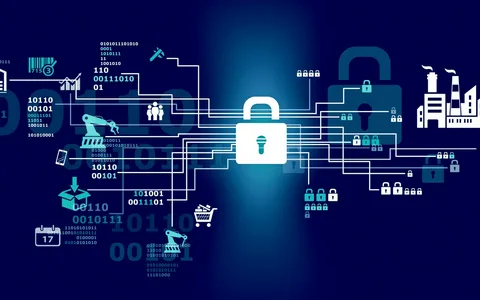
Imagine needing a government document.
In the traditional process, you might have to find the right office, fill out paperwork, submit documents, wait for verification, and return again later.
Now imagine completing much of that process online.
That’s the promise of Digital Government Services.
When implemented properly, digital platforms can reduce unnecessary paperwork, shorten waiting times, and make services available beyond traditional office hours.
For citizens, that means convenience.
For government departments, it can mean more efficient operations.
It’s a situation where technology can genuinely make everyday life easier.
But Going Digital Creates a New Responsibility
There’s an important side to digital transformation that cannot be ignored.
The more government services move online, the more information is stored and exchanged digitally.
Think about the information public institutions may handle:
Personal identities.
Addresses.
Financial records.
Healthcare information.
Education records.
Business information.
Official documents.
This makes Governance & Security inseparable.
A digital government system can be convenient, but convenience means very little if citizens don’t trust it.
Cybersecurity Is About More Than Protecting Computers
A common misconception is that cybersecurity is simply about protecting computers from hackers.
It’s much bigger than that.
For the public sector, cybersecurity is about protecting the services people rely on.
Imagine a government portal becoming unavailable during an important period.
Or sensitive citizen information being exposed.
Or a critical system being disrupted.
The consequences can extend far beyond technology.
They can affect public confidence.
That’s why Cybersecurity Solutions need to be treated as part of the foundation of modern governance.
Data Protection Builds Public Trust
Citizens share information with government institutions because they expect it to be handled responsibly.
That trust should never be taken for granted.
Strong Data Security practices help organizations control who can access sensitive information, monitor unusual activity, and reduce the risk of unauthorized access.
But technology alone isn’t enough.
People, policies, training, and processes all have a role to play.
Real security comes from combining these elements rather than relying on a single tool.
Reliable Networks Keep Public Services Moving

A government website may look simple from the outside.
Behind it, however, there can be databases, servers, applications, authentication systems, communication platforms, and multiple departments working together.
All of these systems need dependable connectivity.
This is where Network Services become important.
Reliable networks help government employees communicate, access applications, exchange information, and deliver digital services without unnecessary interruptions.
A strong digital public service depends on a strong digital foundation.
Cloud Technology Is Changing Public Administration
Government departments are increasingly exploring cloud-based technologies for storing information, running applications, and supporting digital services.
Cloud Computing Solutions can provide greater flexibility and scalability when implemented properly.
Instead of relying entirely on physical infrastructure, organizations can use cloud environments to support changing workloads and digital services.
But moving to the cloud also requires careful planning.
Security.
Access control.
Data management.
Compliance.
Backup and recovery.
Technology should make government services better—not simply make them more complicated.
Different Departments Need to Work Together
One of the biggest challenges in public administration is fragmentation.
One department may have information that another department needs.
One system may not communicate easily with another.
Citizens may have to provide the same information multiple times.
This is where Digital Transformation can make a meaningful difference.
Connected systems can allow departments to share information more effectively while reducing unnecessary duplication.
The goal isn’t to create one enormous system for everything.
It’s to create an environment where the right systems can communicate securely when necessary.
Technology Should Make Government More Human
This might sound strange.
Technology is often associated with automation, databases, and software.
But the best digital government systems can actually make public services feel more human.
Why?
Because they remove unnecessary friction.
A citizen shouldn’t have to understand how a government database works.
They shouldn’t need to know which department handles a particular backend process.
They simply want the service they need.
Good technology handles the complexity in the background.
The citizen sees simplicity.
Accessibility Matters Too
Digital transformation shouldn’t only benefit people who are comfortable with technology.
Public services need to consider different communities, age groups, abilities, languages, and levels of digital access.
A government website that looks impressive but is difficult for citizens to use hasn’t truly achieved excellence.
Inclusive Digital Services should be simple, accessible, and designed around real user needs.
Technology works best when it includes people rather than creating another barrier.
What Does Public Sector Excellence Look Like?
It isn’t necessarily about having the most advanced technology.
It’s about using technology effectively.
A digitally mature public institution should aim for:
Accessible services — citizens can find and use services easily.
Reliable infrastructure — systems remain available when people need them.
Strong security — sensitive information is protected.
Transparency — citizens understand how services and information are handled.
Efficient operations — employees spend less time dealing with unnecessary manual processes.
Adaptability — systems can evolve as public needs change.
That’s what meaningful Public Sector Excellence looks like.
How Technology Supports Governance & Security
Building reliable digital public services requires more than a website or an application.
Organizations need a complete technology foundation.
This can include:
- Network Services
- Managed IT Services
- Cloud Computing Solutions
- Cybersecurity Solutions
- Digital Infrastructure Management
- Secure communication systems
- Data protection
- Backup and disaster recovery
When these elements work together, public institutions are better positioned to deliver dependable digital services.
How Sizaf Infocomm Supports Digital Transformation
As public institutions continue adopting digital technologies, reliable infrastructure and secure connectivity become increasingly important.
Sizaf Infocomm provides technology solutions that can support organizations with:
- Network Services
- Managed IT Services
- Cloud Computing Solutions
- Cybersecurity Solutions
- Digital Infrastructure Management
- Digital transformation support
The focus is simple: helping organizations build technology environments that are reliable, secure, and capable of supporting modern digital services.
Final Thoughts: Trust Is the Real Measure of Digital Government
Technology can make government services faster.
It can make them more accessible.
It can reduce paperwork.
It can improve communication between departments.
But none of that matters if citizens don’t trust the systems they are using.
That’s why Governance & Security must grow together.
As governments become more digital, protecting information and maintaining reliable services aren’t separate responsibilities.
They’re part of the same mission.
The future of Public Sector Excellence won’t simply be measured by how many services move online.
It will be measured by whether those services are accessible, reliable, secure, transparent, and genuinely useful to the people they are designed to serve.
Because at the end of the day, digital government isn’t really about technology.
It’s about people.
How Sizaf Infocomm Can Help
As governments and public organizations continue their digital transformation journey, reliable technology becomes essential.
At Sizaf Infocomm, we support public sector organizations with Managed IT Services, Secure Network Infrastructure, Cloud Computing, Cybersecurity, Digital Transformation, and Technology Infrastructure solutions designed to improve operational efficiency, security, and citizen service delivery.
Contact Sizaf Infocomm
📞 Malaysia: +60 146600012
📞 USA: +1 516 880 9996
🌐 Website: https://sizaf.com