
There was a time when a business network was fairly simple.
A few computers were connected to a server. Employees shared files. The internet connection was mainly used for email and browsing.
That world has changed.
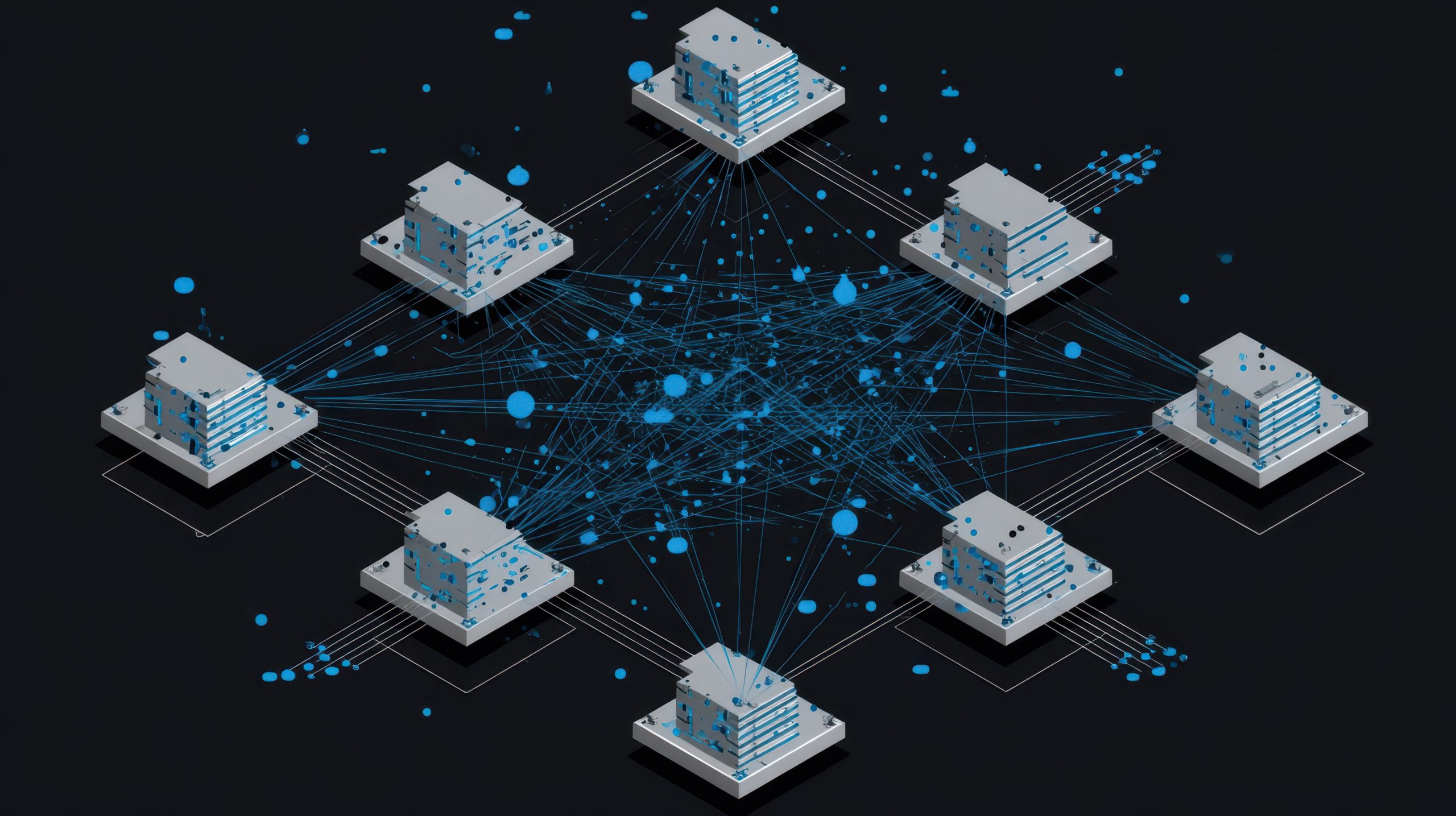
Today, a typical business may have employees working from different locations, cloud applications running across multiple platforms, smartphones and IoT devices connecting to the network, video meetings happening throughout the day, and customers accessing online services around the clock.
The network has quietly become the connection point between all of these activities.
And when the network struggles, the business often feels it immediately.
This is why Network Services are becoming much more than simply providing an internet connection. Modern network management involves connectivity, performance, security, monitoring, cloud access, scalability, and the ability to keep digital operations running smoothly.
What Are Network Services?
Network Services cover the technologies and support systems that help businesses connect users, devices, applications, locations, and digital resources.
Depending on the organisation, this can include:
- Internet connectivity
- Business network setup
- Wi-Fi and LAN infrastructure
- WAN connectivity
- Network monitoring
- Network security
- Cloud connectivity
- Remote access
- Network performance management
- Troubleshooting and technical support
- Network upgrades and optimisation
The exact requirements vary from one business to another.
A small office may need a secure and reliable network for employees and cloud applications. A company with multiple branches may require a wider network connecting different locations.
The important thing is that the network should support the way the business actually operates.
The Business Network Is Becoming More Complex

Modern businesses no longer have one simple network.
Employees may connect from offices, homes, hotels, airports, or customer locations. Applications may run in private data centres, public clouds, or SaaS platforms. Devices can include laptops, smartphones, cameras, printers, sensors, and industrial equipment.
This creates a much larger environment to manage.
Research published in 2026 describes enterprise networking as increasingly shaped by AI workloads, autonomous operations, multicloud environments, and security requirements.
For businesses, this means network management needs to evolve along with the technology being used.
Network Performance Is About More Than Internet Speed
One of the most common misunderstandings about business networking is that speed is everything.
It isn’t.
A business can have a high-speed internet connection and still experience poor application performance.
Why?
Because network performance can also depend on:
- Latency
- Packet loss
- Congestion
- Routing
- Wi-Fi interference
- Server location
- Cloud application performance
- Network configuration
- Hardware capacity
Imagine an employee joining an important video meeting.
The internet package may advertise excellent download speeds, but if the connection has high latency or packet loss, the meeting can still become frustrating.
This is why modern Network Services need to look at the complete network experience rather than focusing on one number.
Cloud Computing Has Changed Network Requirements
Cloud computing has changed where business applications and data live.
Employees may use cloud-based accounting software, collaboration platforms, CRM systems, storage services, communication tools, and business applications every day.
Instead of connecting primarily to systems inside an office, employees may be connecting to resources located in different data centres and cloud environments.
This creates new networking requirements.
Businesses need reliable access to cloud applications, appropriate routing, secure connections, and enough capacity to support growing digital workloads.
As organisations adopt hybrid and multicloud environments, network infrastructure increasingly needs to connect on-premises systems, cloud platforms, and distributed locations.
Network Security Cannot Be Treated Separately

A modern network is also part of a business’s security environment.
Employees, devices, applications, and cloud services all create potential access points.
Traditional security models based around one physical office are becoming less suitable for organisations with remote workers, cloud applications, and distributed infrastructure.
Modern approaches increasingly bring networking and security closer together.
Technologies and models such as Zero Trust and Secure Access Service Edge (SASE) are being used to address security requirements across distributed environments.
The principle is straightforward:
Don’t automatically trust a user or device simply because it is connected to the business network.
Access should be verified and controlled according to identity, device, application, location, and other relevant factors.
Network Monitoring Helps Businesses See Problems Earlier
A network problem is much easier to handle when a business knows about it before users start complaining.
This is where network monitoring and observability become important.
Monitoring systems can track things such as:
- Network availability
- Traffic levels
- Device health
- Application performance
- Connectivity issues
- Latency
- Packet loss
- Security events
- Bandwidth utilisation
Instead of waiting for an employee to say, “The internet isn’t working,” IT teams can potentially identify unusual network behaviour earlier.
Modern networking is also moving toward AI-assisted operations, where machine learning and automation can help identify anomalies and support troubleshooting.
The goal isn’t to remove network professionals.
It is to give them better visibility and better tools.
AI Is Changing Network Management
AI is not only something businesses use inside applications.
It is increasingly becoming part of the infrastructure itself.
AI-driven network operations can analyse large volumes of network information and identify unusual behaviour or performance patterns.
For example, an intelligent monitoring system may detect that an application is experiencing increasing latency or that a particular device is behaving differently from its normal pattern.
This can help technical teams investigate problems faster.
Current networking research also points toward more automated and autonomous network operations as organisations deal with increasingly complex environments.
However, automation still needs appropriate controls.
A network supporting important business operations should not blindly allow automated systems to make every decision without oversight.
Wi-Fi Is Becoming a Business Infrastructure
Wi-Fi is sometimes treated as an office convenience.
For modern businesses, it is often much more important than that.
Employees may depend on wireless connectivity for laptops, smartphones, video meetings, cloud applications, scanners, printers, IoT devices, and other equipment.
As the number of connected devices increases, wireless network design becomes more important.
Newer wireless technologies, including Wi-Fi 7, are being considered for environments that need higher capacity and more consistent performance, particularly in dense workplaces and demanding applications.
But upgrading technology alone does not guarantee a better network.
Coverage, device placement, interference, configuration, security, and the physical environment all matter.
Remote and Hybrid Work Need Stronger Networks
The modern workplace does not necessarily have one location.
Employees can work from home, offices, shared workspaces, customer sites, and other locations.
That means businesses need secure ways to connect users to the applications and information they need.
Remote access should be convenient without becoming a security weakness.
A strong network strategy therefore considers both connectivity and identity.
Employees should be able to work productively while the organisation maintains appropriate control over access to business resources.
Network Scalability Matters as Businesses Grow
A network that works perfectly for a small company may not work as well after the company doubles in size.
More employees mean more devices.
More customers can mean more online traffic.
More applications can mean more bandwidth requirements.
New branches can create additional connectivity requirements.
This is why businesses should think about scalability when designing network infrastructure.
The goal is not necessarily to purchase the most expensive equipment today.
It is to build an environment that can grow without requiring a complete redesign every time the business changes.
What Should Businesses Look for in Network Services?
Before choosing or upgrading Network Services, businesses should consider several practical questions.
Is the network reliable?
Frequent interruptions can affect productivity and customer experience.
Can the network handle current workloads?
Cloud applications, video meetings, backups, large file transfers, and other services can increase network demand.
Is network performance being monitored?
Without visibility, it can be difficult to understand why users experience problems.
Is security built into the network?
Connectivity and security should be considered together rather than as completely separate projects.
Can the network scale?
A growing business needs infrastructure that can support additional users, devices, locations, and applications.
Is there a recovery plan?
Businesses should consider what happens if an important network component fails.
The Future of Network Services
The future of networking is moving toward infrastructure that is more intelligent, automated, secure, and closely connected to business requirements.
AI, cloud computing, edge infrastructure, automation, advanced wireless technologies, and security-focused networking are all influencing how organisations design and manage connectivity.
This means Network Services will increasingly be about more than keeping devices connected.
They will help businesses understand how their digital environment is performing and how that environment can support future growth.
Final Thoughts
A business network may not be visible to customers, but its impact can be felt throughout the organisation.
When the network works well, employees can access applications, teams can communicate, customers can use online services, and businesses can operate without constantly thinking about connectivity.
When the network performs poorly, even simple tasks can become difficult.
That is why modern Network Services should focus on the complete picture: connectivity, performance, security, monitoring, scalability, and support.
The right network is not simply the fastest one.
It is the network that fits the business, protects its digital environment, supports its people, and is ready to evolve as technology changes.
How Sizaf Infocomm Can Help
Modern businesses need dependable connectivity and network infrastructure to support cloud applications, remote work, digital services, communication, and day-to-day operations.
Sizaf Infocomm provides technology and connectivity solutions designed around the needs of modern businesses and organisations.
Malaysia: +60 146600012
USA: +1 516 880 9996