Running a growing business is exciting.
More customers are coming in. Your team is getting bigger. New services are being introduced. Maybe you’re even opening another location.
But growth brings something else with it.
More technology.
More computers. More users. More software. More accounts. More data. More devices. More security concerns.
At first, managing everything may seem simple.
Then one day, an employee can’t access an important system. The office network becomes slow. A software update causes a problem. Someone accidentally deletes an important file.
Suddenly, technology isn’t just supporting the business.
It’s slowing it down.
This is where Managed IT Services can make a real difference.
Instead of waiting for something to break, businesses can take a more proactive approach to managing their technology.
What Are Managed IT Services?
In simple terms, Managed IT Services means having technology professionals continuously manage and support your IT environment.
Instead of calling someone only when there is a problem, businesses can have ongoing support for areas such as:
- Network management
- Cybersecurity
- Cloud services
- Device management
- Data backup
- System monitoring
- Software updates
- Technical support
- IT infrastructure
The exact services can vary depending on the provider and the needs of the business.
The main idea is simple:
Keep technology working instead of constantly reacting to technology problems.
Why Growing Businesses Need Better IT Support

A small business can sometimes manage technology informally.
One person may handle the Wi-Fi.
Another employee may know how to fix computers.
Someone may keep important files on an external drive.
But as the company grows, this approach becomes risky.
Technology becomes too important to depend on one person’s knowledge.
If that person is unavailable, what happens?
What if the company suddenly needs stronger cybersecurity?
What if employees start working remotely?
What if the business opens another office?
Growth requires a more organised approach.
Technology Problems Can Become Business Problems
Let’s say your network stops working for three hours.
It may sound like an IT issue.
But what actually happens?
Employees can’t access applications.
Customers may not receive responses.
Online orders could be delayed.
Meetings may be interrupted.
Productivity drops.
The business loses valuable time.
This is why IT reliability matters.
Technology problems rarely stay inside the IT department.
They can affect the entire organisation.
Proactive IT Support Is Better Than Waiting for Failure
Traditional IT support often follows a simple pattern.
Something breaks.
Someone reports it.
The IT team investigates.
The problem gets fixed.
Then everyone moves on.
Managed IT takes a more proactive approach.
Systems can be monitored regularly.
Potential issues can be identified earlier.
Updates can be managed.
Security risks can be reviewed.
Backups can be monitored.
The goal is not to guarantee that nothing will ever go wrong.
That’s unrealistic.
The goal is to reduce avoidable problems and respond quickly when something does happen.
Cybersecurity Needs Continuous Attention
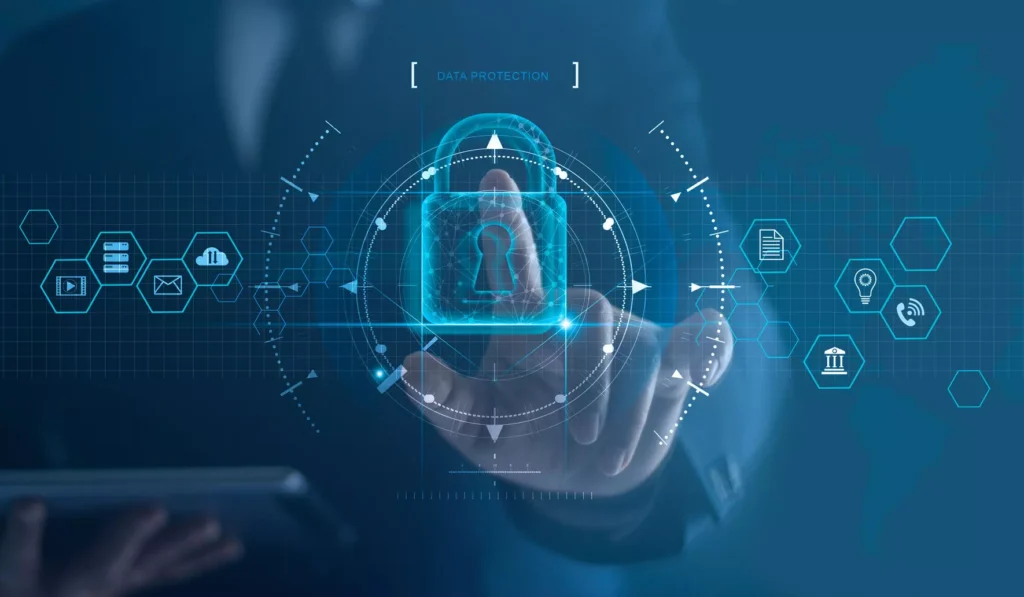
Cybersecurity isn’t something businesses can check once a year and forget about.
Threats change.
Software changes.
Employees join and leave.
New devices connect to the network.
Remote access creates additional considerations.
Cloud applications introduce new accounts and permissions.
Managed IT Services can help businesses establish ongoing security practices.
Depending on the environment, this can include:
- Security monitoring
- Endpoint protection
- Access management
- Multi-factor authentication
- Network security
- Software updates
- Backup protection
- Employee security awareness
The objective is to make security part of everyday IT management.
Cloud Technology Requires Management Too
Many businesses now rely on cloud services for email, storage, collaboration, accounting, customer management, and other applications.
Cloud computing can provide flexibility.
But moving to the cloud doesn’t mean the IT work disappears.
Businesses still need to manage:
- User accounts
- Permissions
- Data
- Security
- Costs
- Backups
- Applications
- Integration
Without proper management, cloud environments can become confusing and expensive.
A Managed IT provider can help businesses keep these environments organised and aligned with operational requirements.
Remote Work Has Changed IT Support
Employees don’t always work from the office anymore.
Some work from home.
Some travel.
Some work from customer locations.
Others may operate from different branches.
This creates a simple requirement:
Employees need secure access to the technology they use to do their jobs, wherever they are.
Managed IT Services can support remote and hybrid environments by helping businesses manage devices, connectivity, access, applications, and security.
The aim is to make remote work productive without creating unnecessary security risks.
Good IT Support Helps Employees Work Better
Here’s something businesses sometimes overlook.
IT isn’t only about computers.
It’s about people.
If employees spend 20 minutes trying to solve a technical problem, that time is lost.
If someone cannot access an application, work stops.
If a system is confusing, employees become frustrated.
Good IT support removes these obstacles.
Employees can focus on customers, projects, sales, operations, and other important work instead of constantly trying to fix technical issues themselves.
Managed IT Can Make IT Costs More Predictable
Technology costs can be difficult to predict when businesses only react to problems.
One month everything is fine.
The next month, a server fails.
Then a network device needs replacing.
Then software needs upgrading.
Then a security issue requires urgent attention.
Managed IT Services can provide a more structured approach, often through ongoing service arrangements.
This can make IT spending easier to plan.
The exact pricing and services depend on the business requirements and provider, but the broader benefit is greater visibility into technology management.
IT Infrastructure Should Grow With the Business
Imagine a company that doubles its workforce.
Its IT requirements will change.
More employees mean more devices.
More devices mean more accounts.
More accounts mean more access management.
More users may also mean greater network and application requirements.
A good IT strategy needs to consider growth.
Managed IT providers can help businesses review their infrastructure and identify areas that may need improvement as the company expands.
The goal isn’t to overbuild.
It’s to avoid constantly playing catch-up.
Data Backup Is One of the Most Important IT Responsibilities

Businesses create enormous amounts of digital information.
Customer records.
Financial documents.
Contracts.
Project files.
Marketing materials.
Employee information.
Operational data.
Losing important information can be extremely disruptive.
A reliable backup strategy can provide another layer of protection.
But having a backup system isn’t enough.
Businesses should also know whether backups are actually completing successfully and whether data can be restored when needed.
Managed IT support can help with ongoing backup monitoring and recovery planning.
Why Network Management Matters
Your business network connects employees, devices, applications, and systems.
If the network is poorly designed or poorly managed, performance can suffer.
A Managed IT provider can help monitor network health, troubleshoot connectivity issues, manage devices, and identify potential performance problems.
This becomes particularly important for businesses using cloud applications, video conferencing, connected devices, and remote access.
A reliable network is the foundation of a reliable digital workplace.
IT Support Can Help Businesses Adopt New Technology
Technology changes quickly.
AI tools are becoming more common.
Cloud platforms continue to evolve.
IoT devices are expanding.
Automation is becoming more accessible.
Businesses may want to adopt these technologies but aren’t sure where to start.
A good IT partner can help evaluate whether a new technology actually fits the business.
That’s important.
Not every new technology deserves your budget.
The right question isn’t:
“What technology is everyone using?”
It is:
“What technology can solve a real problem for our business?”
What Should You Look for in a Managed IT Provider?
Choosing an IT provider is an important decision.
Look for a partner that understands your business rather than simply selling a standard package.
Consider:
Proactive Monitoring
Does the provider monitor systems instead of waiting for complaints?
Security Expertise
Can they help protect your network, devices, accounts, and data?
Scalability
Can their services grow with your company?
Clear Communication
Will they explain technical problems in language your team understands?
Reliable Support
How quickly can they respond when something important goes wrong?
Technology Planning
Can they help you plan future technology investments?
The best IT relationship should feel like a partnership.
Managed IT Is About More Than Fixing Computers
This is perhaps the biggest change in modern IT support.
Managed IT isn’t simply about repairing laptops.
It’s about managing the technology environment that the business depends on.
That includes infrastructure.
Security.
Connectivity.
Cloud systems.
Data.
Applications.
Devices.
People.
Processes.
When these areas work together, businesses can operate with fewer technology-related distractions.
The Future of Managed IT Services
Managed IT will continue to evolve as businesses become more dependent on technology.
AI-assisted monitoring may help identify unusual activity.
Cloud environments will continue expanding.
Cybersecurity will become increasingly important.
Remote work will continue influencing IT strategies.
Businesses will also expect more proactive guidance from their technology partners.
The role of IT providers is therefore changing.
They are becoming less like emergency repair teams and more like long-term technology partners.
Final Thoughts
Technology should make running a business easier.
It shouldn’t become another problem that business owners have to worry about every day.
But as companies grow, technology naturally becomes more complicated.
That’s why having the right support matters.
Managed IT Services can help businesses take a more proactive approach to their technology, improve reliability, strengthen security, support employees, and prepare for future growth.
You don’t need to manage every technical problem yourself.
You need technology that works—and a reliable team behind it when you need help.
For a growing business, that can make a very real difference.
How Sizaf Infocomm Can Help
Sizaf Infocomm provides technology solutions designed to help businesses manage their digital environment more effectively.
From Managed IT Services and Tech Infrastructure Services to Network Services, Cloud Computing, Web & Media Services, and Business Connectivity, Sizaf Infocomm can support businesses looking to build a more reliable and scalable technology foundation.
Malaysia: +60 146600012
USA: +1 516 880 9996
Website: https://sizaf.com/