
Media & Advertising in 2026: It’s Not About Selling Anymore; It’s About Connecting
There was a time when advertising was simple.
A billboard on the road. A TV commercial during your favorite show. A newspaper ad people barely noticed.
And honestly, back then, brands mostly talked at people.
But now, things are completely different.
In 2026, people see thousands of ads every single day. Scrolling, skipping, ignoring, moving on.
So the biggest challenge for brands today isn’t visibility anymore.
It’s attention.
And even more importantly, trust.
People Are Tired of “Perfect Marketing”
Let’s be real for a second.
Most people can instantly tell when content feels fake or overly polished.
That’s why traditional advertising is struggling.
Consumers today don’t just want promotions. They want:
– Honesty
– Personality
– Real stories
– Useful content
People connect more with brands that feel human.
Not perfect, human.
And that’s exactly why the media and advertising industry is changing so fast.
Social Media Quietly Became the Main Stage
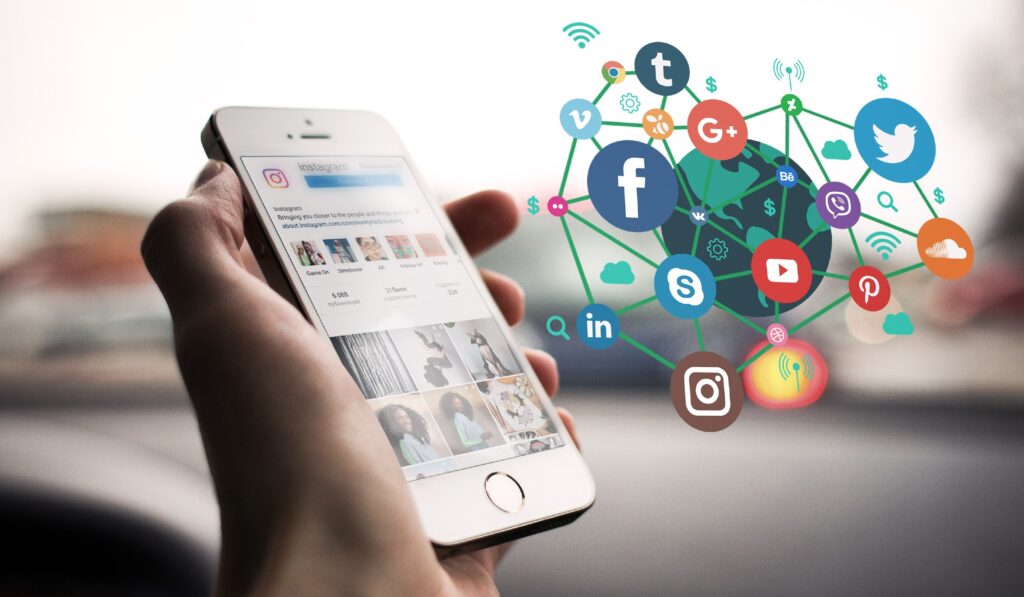
A few years ago, businesses mainly focused on television, print, and outdoor ads.
Now?
One short video on social media can reach millions overnight.
Platforms like:
– TikTok
– YouTube
…completely changed how brands communicate.
But here’s the interesting part:
The brands winning today aren’t always the loudest ones.
They’re the ones creating content people actually enjoy watching.
Attention Spans Are Smaller Than Ever
This is one of the biggest realities in modern advertising.
People scroll fast.
Really fast.
If content doesn’t grab attention within the first few seconds, it’s gone.
That’s why brands now focus heavily on:
– Short-form videos
– Storytelling
– Interactive content
– Personalized experiences
Because nobody wants to feel like they’re watching an ad anymore.
People want content that feels natural.
The Rise of “Humanized Marketing”
This is probably one of the biggest shifts happening right now.
Earlier, brands tried to sound professional all the time.
Now, audiences respond better to brands that:
– Speak casually
– Show personality
– Share relatable experiences
– Feel approachable
That’s why you’ll notice many successful brands sounding more conversational online.
Because connection builds trust faster than polished sales language ever could.
Technology Is Driving Modern Advertising Behind the Scenes
Most people only see the final ad.
But behind every campaign today, there’s a huge amount of technology involved.
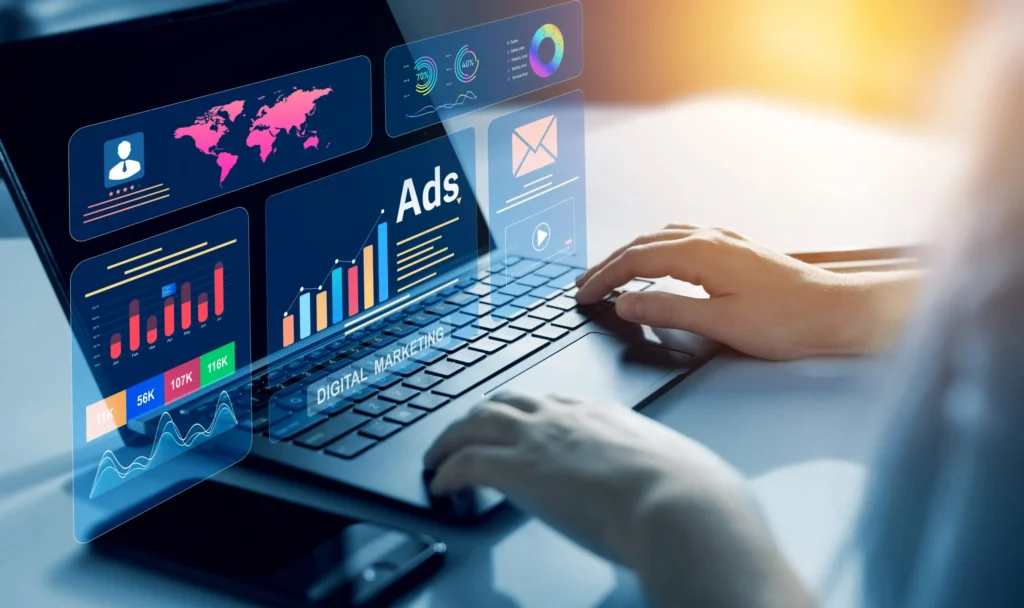
Things like:
– AI-powered analytics
– Customer behavior tracking
– Cloud-based media systems
– Real-time performance monitoring
Modern advertising isn’t just creative anymore.
It’s deeply data-driven too.
Personalization Is Becoming the New Standard
People expect personalized experiences now.
Think about it.
Streaming platforms recommend content. Shopping websites suggest products. Ads suddenly feel strangely relevant.
That’s because modern advertising focuses heavily on:
– User behavior
– Interests
– Online activity
People are more likely to engage with content that feels relevant to them personally.
Content Matters More Than Big Budgets Now

This is something many businesses are realizing.
A huge marketing budget doesn’t guarantee attention anymore.
Sometimes:
– A simple Instagram Reel
– A relatable story
– A helpful video
…performs better than expensive campaigns.
Because audiences care more about authenticity than production value.
Trust Has Become the Most Valuable Currency
This part is important.
People don’t automatically trust brands anymore.
There’s too much content online. Too many ads. Too much noise.
That’s why businesses now focus on:
– Building communities
– Creating useful content
– Being transparent
– Engaging naturally with audiences
Because without trust, marketing becomes forgettable very quickly.
Media Companies Are Facing New Challenges Too
Behind the scenes, the industry is changing rapidly.
Media businesses now deal with:
– Constant content demand
– Faster trends
– Audience fragmentation
– Cybersecurity risks
– Data management challenges
Keeping digital systems secure and scalable has become just as important as creativity itself.
Cybersecurity Is Quietly Becoming Critical in Media
This is something many people overlook.
Media and advertising companies manage:
– Customer data
– Campaign information
– Digital assets
– Online platforms
Without proper security:
Data can be exposed. Campaigns can be disrupted. Brand trust can be damaged.
And in a reputation-driven industry, trust is everything.
The Future of Advertising Feels More Human
Ironically, even with AI and automation growing rapidly, advertising is becoming more human-centered.
People don’t want robotic messaging anymore.
They want:
– Real conversations
– Genuine experiences
– Brands that actually understand them
Technology helps deliver content faster…
…but human connection is still what makes people remember it.
Final Thoughts: The Brands People Remember Feel Real
At the end of the day, most people won’t remember every ad they saw today.
But they will remember:
– How a brand made them feel
– Whether the content felt genuine
– Whether they trusted the message
And honestly, that’s what modern media and advertising is really about now.
Not just selling products…
…but creating connections people actually care about.
Helping Media & Advertising Businesses Stay Connected
As digital media grows faster than ever, businesses need reliable, scalable, and secure technology to support modern content delivery and customer engagement. Sizaf Infocomm helps organizations build strong digital infrastructure for smarter communication and seamless operations.
Malaysia: +60 146600012
USA: +1 516 880 9996
Let’s Talk
What type of advertising grabs your attention today — emotional storytelling or short creative content?