
Doing Good Has Changed in the Digital Age
Running a Non Profit Organization has never been simple.
There are people to help.
Communities to support.
Donations to manage.
Volunteers to coordinate.
Projects to organize.
And somehow, there is always another problem waiting around the corner.
Today, there’s something else that nonprofits have to think about.
Technology.
Not because every nonprofit needs the latest technology or expensive software.
But because the people nonprofits serve are increasingly connected to the digital world.
They search for information online.
Donate through websites.
Communicate through messaging apps.
Attend online events.
Share campaigns through social media.
And expect organizations to respond quickly.
Technology has quietly become part of how nonprofit organizations build relationships, raise funds, and create impact.
A Good Cause Still Needs Good Communication
Imagine a nonprofit doing incredible work in a local community.
The team is passionate.
The volunteers are dedicated.
The projects are making a real difference.
But the organization has an outdated website, unreliable communication systems, and no easy way for people to donate online.
The problem isn’t the mission.
The problem is visibility and accessibility.
People can’t support something they can’t find.
This is one reason Digital Transformation for Nonprofits is becoming increasingly important.
Technology can help good work reach people who may never have discovered it otherwise.
Your Website Can Be the First Conversation
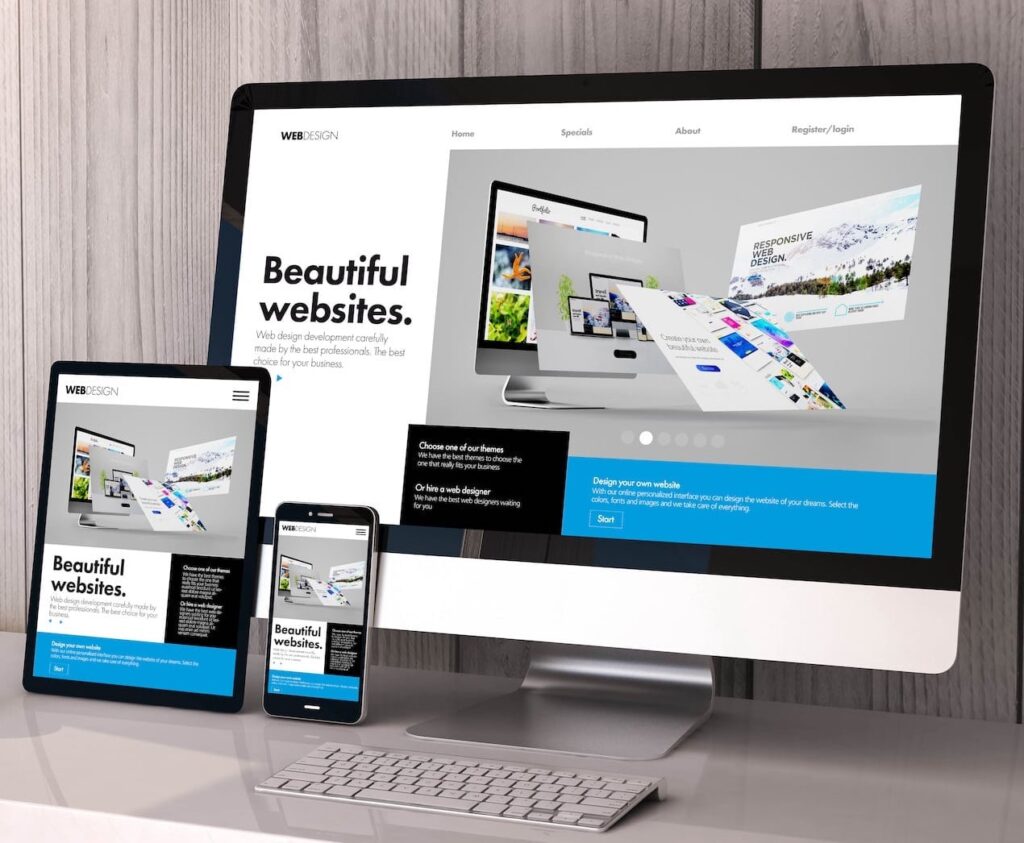
For many people, a nonprofit’s website is the first place they go to learn about the organization.
They want to know:
- What does the organization do?
- Who does it help?
- Where does the money go?
- How can I volunteer?
- How can I donate?
- Can I trust this organization?
A clear, easy-to-use website can answer those questions before anyone ever makes a phone call.
And sometimes, that first online experience determines whether someone decides to get involved.
Social Media Has Given Nonprofits a Bigger Voice
Nonprofits don’t always have huge marketing budgets.
That’s where social media can make a real difference.
A powerful story can be shared with thousands of people.
A volunteer can post about an experience.
A fundraising campaign can reach supporters outside the local community.
A short video can explain a problem more effectively than a long report.
Social media doesn’t replace real-world work.
But it can help people see that work.
And visibility matters.
Digital Donations Are Becoming the Norm
Think about how people pay for things today.
Cards.
Mobile wallets.
Online banking.
QR payments.
Digital platforms.
People increasingly expect the same convenience when making donations.
If donating takes ten steps, requires printing a form, or involves complicated processes, some people will simply give up.
A simple Digital Donation Platform can remove that friction.
When donating becomes easier, people are more likely to complete the process.
Small improvements can sometimes make a surprisingly big difference.
Technology Can Help Volunteers Work Together
Volunteers are one of the biggest strengths of many nonprofit organizations.
But coordinating them can be difficult.
Who is available?
Who is working on which project?
Who needs information?
Who is attending the next event?
When everything is managed through scattered messages and spreadsheets, things can quickly become confusing.
Cloud-based collaboration tools and Cloud Computing Solutions can make it easier for teams to share documents, organize information, and communicate from different locations.
The goal isn’t to make volunteering feel like office work.
It’s to make coordination easier so volunteers can spend more time helping people.
Nonprofits Have Data Too—And It Needs Protection
There is a common misconception that cybersecurity only matters to banks and large corporations.
That’s not true.
A nonprofit may store donor information, volunteer details, beneficiary records, financial information, and internal documents.
Some of that information can be extremely sensitive.
This makes Cybersecurity for Nonprofits an important consideration.
Basic security practices can go a long way:
- Strong passwords
- Multi-factor authentication
- Regular software updates
- Secure networks
- Controlled access
- Data backups
- Employee awareness
A nonprofit doesn’t need to become a cybersecurity company.
But it does need to take security seriously.
Reliable Internet Can Directly Affect Impact

This might sound like a small thing.
But imagine a nonprofit running an online fundraising event and the internet connection keeps dropping.
Or volunteers can’t access important files.
Or a field team can’t communicate with the main office.
Or an online training session keeps freezing.
These aren’t just technical annoyances.
They can interrupt the actual work of the organization.
That’s why reliable Network Services can be so important for nonprofits, especially those working across multiple locations or supporting communities remotely.
Technology Can Help Nonprofits Reach Remote Communities
One of the most exciting opportunities is the ability to connect with people who aren’t physically close to an organization’s main office.
Online education programs.
Remote healthcare initiatives.
Digital awareness campaigns.
Virtual fundraising events.
Online counselling and support services.
Technology can help organizations extend their reach beyond geographical boundaries.
For a small nonprofit, that can be powerful.
You don’t always need a large physical presence to create a large digital impact.
Transparency Matters More Than Ever
People want to know where their donations are going.
And honestly, they should.
Digital tools can help nonprofits communicate more openly about their work.
Organizations can share:
- Project updates
- Financial information
- Impact reports
- Photos and videos
- Success stories
- Community outcomes
This doesn’t just provide information.
It builds trust.
And trust is one of the most valuable assets a nonprofit can have.
AI Could Help Nonprofits Do More With Less

Nonprofits often operate with limited budgets and small teams.
This is where Artificial Intelligence for Nonprofits could become increasingly useful.
AI can help with things like:
- Drafting communications
- Organizing information
- Analyzing large amounts of data
- Answering common questions
- Supporting fundraising campaigns
- Automating repetitive administrative tasks
But AI should be used thoughtfully.
Technology shouldn’t replace the human purpose behind nonprofit work.
It should help people spend less time on repetitive tasks and more time on meaningful work.
The Digital Divide Still Matters
There is one issue that nonprofits cannot ignore.
Not everyone has equal access to technology.
Some communities have limited internet connectivity.
Some people don’t have smartphones or computers.
Others may not feel comfortable using digital services.
That’s why Digital Inclusion needs to be part of the conversation.
Technology should expand access—not create another barrier.
For many nonprofits, the most effective approach will be a combination of digital and traditional services.
Sometimes the best solution is not completely digital.
It’s simply more connected.
What Does a Digitally Strong Nonprofit Look Like?
It doesn’t necessarily have the most expensive software.
It doesn’t need dozens of complicated systems.
A digitally capable nonprofit simply has technology that supports its mission.
That might mean:
A reliable website so people can find information.
Simple online donations so supporters can contribute easily.
Secure systems to protect sensitive information.
Reliable Network Services to keep teams connected.
Cloud Computing Solutions to support collaboration.
Digital communication to reach more people.
Good cybersecurity practices to protect trust.
The technology should serve the mission—not become the mission.
How Sizaf Infocomm Can Support Nonprofit Organizations
For a Non Profit Organization, technology should be practical, dependable, and aligned with real needs.
Sizaf Infocomm supports organizations through:
- Network Services
- Managed IT Services
- Cloud Computing Solutions
- Cybersecurity Solutions
- Digital Infrastructure Management
- Digital transformation support
The focus is on helping organizations stay connected, secure, and capable of reaching the communities they serve.
Final Thoughts: Technology Can’t Replace Purpose—But It Can Multiply It
A nonprofit doesn’t exist because of its website.
It doesn’t exist because of its software.
And it certainly doesn’t exist because of its technology.
It exists because someone saw a problem and decided to do something about it.
Technology simply gives that mission more ways to move.
It can help a small team reach more supporters.
It can make donations easier.
It can connect volunteers.
It can protect important information.
It can help organizations work across borders and reach communities that were once difficult to access.
But the most important part will always remain the same.
People helping people.
That’s what makes a Non Profit Organization meaningful.
Technology can make that work faster, wider, and sometimes more efficient—but the human purpose behind it is what creates the real impact.
Ready to Strengthen Your Nonprofit’s Digital Future?
If your organization is exploring secure digital infrastructure, cloud technology, cybersecurity, or scalable IT solutions, Sizaf Infocomm can help you build reliable technology that supports your mission and your community.
Get in Touch with Sizaf Infocomm
🌐 Visit: https://sizaf.com
📞 Malaysia: +60 146600012
📞 USA: +1 516 880 9996