
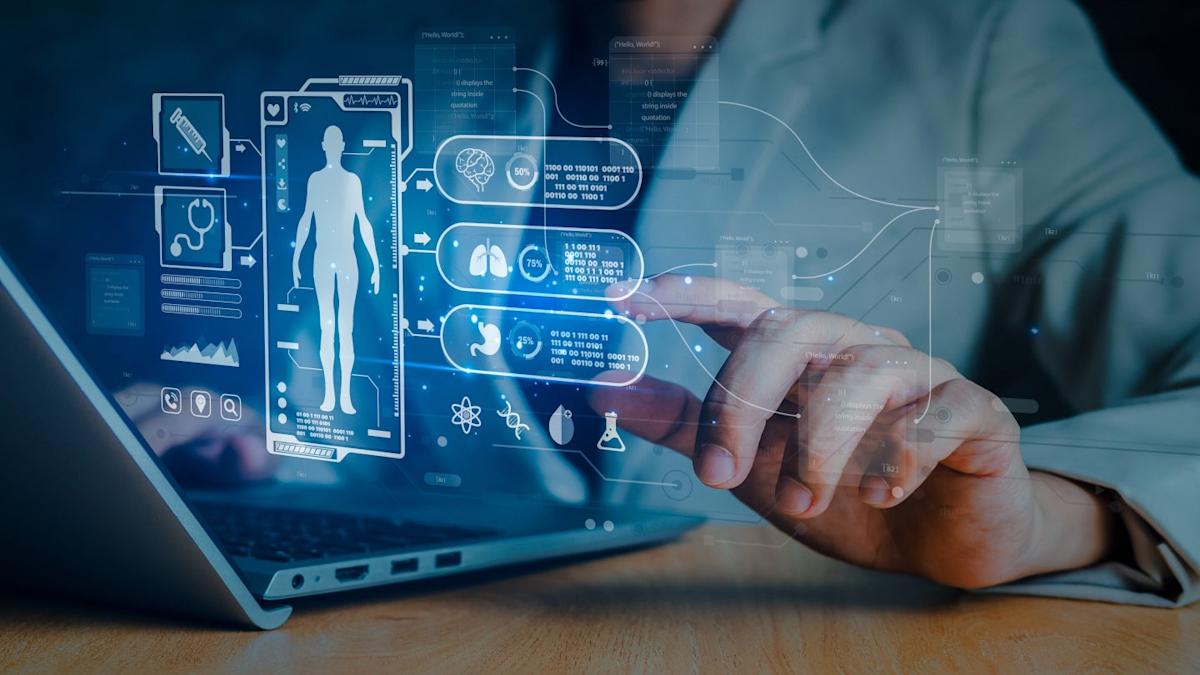
Healthcare has changed dramatically over the last decade.
A patient once walked into a hospital with a physical file containing medical records. Today, much of that information may be stored digitally and accessed through computers, cloud platforms, hospital networks, mobile devices, and specialized healthcare applications.
That change has made healthcare faster and more connected.
It has also created a new responsibility.
Protecting patient information.
Medical records are not ordinary data. They can contain personal details, medical histories, test results, prescriptions, insurance information, and other sensitive information that patients expect healthcare organizations to protect.
This is why Healthcare Cybersecurity has become such an important part of modern healthcare.
It isn’t simply an IT issue anymore.
It is about protecting patients, supporting healthcare professionals, maintaining operations, and preserving public trust.
Why Healthcare Has Become a Major Cybersecurity Concern
Think about everything happening inside a modern healthcare organization.
Doctors access electronic health records.
Nurses use connected systems.
Patients book appointments online.
Laboratories exchange digital results.
Hospitals use cloud applications.
Medical equipment connects to networks.
Administrative teams process payments and insurance information.
There can be hundreds or even thousands of digital connections within one healthcare environment.
Every connection needs to be managed carefully.
A single weak password, outdated device, misconfigured system, or successful phishing attempt can potentially create a security problem.
The more connected healthcare becomes, the more important cybersecurity becomes.
Patient Data Needs More Than a Password
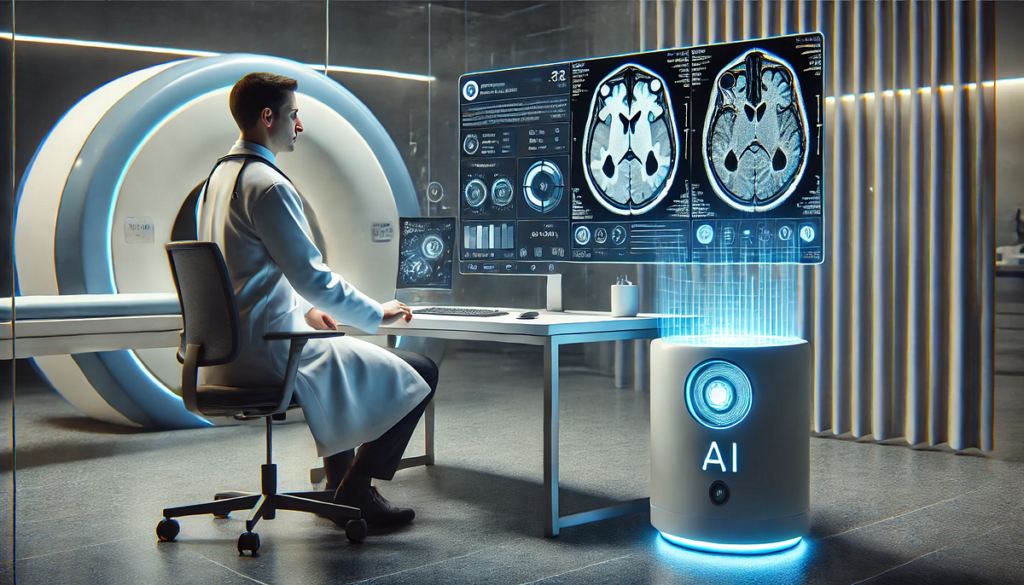
One of the biggest misconceptions about digital security is that a password is enough.
It isn’t.
Modern healthcare environments require multiple layers of protection.
Organizations may use:
- Multi-factor authentication
- Access controls
- Network security
- Endpoint protection
- Encryption
- Secure backups
- Security monitoring
- Regular software updates
- Employee security training
These measures work together.
For example, even if someone manages to obtain a password, multi-factor authentication can provide another layer of protection.
Similarly, access controls can limit what a particular employee can see.
A staff member may need access to certain patient information to perform their job, but that doesn’t necessarily mean they need access to everything.
The principle is simple:
People should have access to the information they need—and nothing more than they need.
The Human Factor in Healthcare Security
Technology gets a lot of attention when we talk about cybersecurity.
But people are equally important.
Employees receive emails every day.
Some are legitimate.
Others may be attempts to trick employees into clicking malicious links, opening dangerous attachments, or sharing login information.
This is why cybersecurity awareness matters.
Healthcare employees don’t need to become cybersecurity experts.
But they should understand basic warning signs.
For example:
Is the sender unusual?
Is the message creating unnecessary urgency?
Is someone asking for sensitive information?
Does a link look suspicious?
Is an attachment unexpected?
Small moments of awareness can prevent much larger problems.
Connected Medical Devices Create New Challenges
Modern healthcare relies heavily on connected equipment.
Medical devices, monitoring systems, diagnostic equipment, cameras, sensors, and other technologies may connect to hospital networks.
These devices can improve healthcare operations and patient care.
However, they also need to be considered within the organization’s cybersecurity strategy.
Healthcare organizations should know:
- What devices are connected?
- What systems do they communicate with?
- Who can access them?
- Are they receiving security updates?
- What information do they process?
- What happens if the device becomes unavailable?
You cannot protect what you don’t know exists.
That’s why device visibility and proper network management are becoming increasingly important.
Cloud Computing Is Changing Healthcare Data Management

Cloud technology has become an important part of digital healthcare.
Organizations can use cloud platforms for applications, collaboration, storage, backup, analytics, and other services.
The flexibility can be valuable.
Healthcare organizations don’t always have to rely entirely on physical infrastructure inside their own facilities.
But cloud adoption also requires careful security planning.
Moving data to the cloud does not mean security becomes someone else’s problem.
Organizations still need to manage identities, permissions, data protection, monitoring, backups, and configurations.
A secure cloud environment depends on how it is designed and managed.
Why Network Security Matters in Healthcare
A healthcare organization’s network is like the road system connecting its digital environment.
Computers, servers, medical devices, applications, and users communicate through it.
If that network isn’t properly protected, attackers may find opportunities to move between systems.
Healthcare Network Security can include firewalls, segmentation, secure access, monitoring, authentication, and other protective measures.
Network segmentation can be particularly useful because it can help limit how far a security incident spreads.
For example, separating certain medical devices from administrative systems can reduce unnecessary exposure.
The exact architecture will depend on the healthcare environment, but the broader idea remains the same:
Don’t treat every connection as equally safe.
Backups Can Help Healthcare Organizations Recover
Cybersecurity isn’t only about preventing attacks.
It is also about being prepared for the possibility that something goes wrong.
Data can be lost because of hardware failure, accidental deletion, software problems, cyber incidents, or other unexpected events.
This is where Data Backup and Recovery become important.
Healthcare organizations should maintain appropriate backups of critical information and, importantly, test whether those backups can actually be restored.
A backup strategy should answer practical questions:
How frequently is important data backed up?
Where are backups stored?
Who can access them?
How quickly can critical systems be restored?
What happens if the primary environment becomes unavailable?
Preparing these answers before an incident is much easier than trying to figure them out during one.
Why Monitoring Matters
Cybersecurity isn’t a one-time installation.
Threats change.
Systems change.
Employees change.
New devices are added.
Applications are updated.
This means healthcare organizations need visibility into what’s happening across their digital environment.
Security and IT monitoring can help identify unusual activity, system problems, performance issues, and potential security events.
The sooner an unusual event is identified, the sooner the organization can investigate it.
That can make a significant difference during a security incident.
AI Is Bringing New Opportunities and New Risks
Artificial intelligence is increasingly being explored across healthcare.
It can assist with data analysis, administrative tasks, research, workflow automation, and other applications.
But AI also introduces new questions about data protection.
What information is being used?
Where is the information stored?
Who can access it?
How is sensitive data protected?
How are AI systems monitored?
What happens if an AI system produces an incorrect result?
Healthcare organizations need to approach AI carefully.
Innovation is valuable, but it should not come at the expense of privacy, security, or responsible decision-making.
Cybersecurity Should Support Healthcare, Not Slow It Down
There’s an important balance to maintain.
Security controls should protect healthcare systems without making everyday work unnecessarily difficult.
Doctors need timely access to information.
Nurses need systems that respond quickly.
Administrative teams need reliable applications.
Patients need convenient services.
If security measures are too complicated, employees may look for ways around them.
That can create new risks.
The best cybersecurity strategies are therefore designed around real workflows.
Security should become part of the way healthcare organizations work rather than something employees constantly have to fight against.
Building a More Resilient Healthcare Environment
Cybersecurity is only one part of healthcare resilience.
Organizations also need reliable technology infrastructure.
They need stable networks.
They need backup systems.
They need disaster recovery plans.
They need trained employees.
They need incident response procedures.
They need clear responsibilities.
Together, these elements create a more resilient digital environment.
A resilient healthcare organization isn’t one that assumes nothing will ever go wrong.
It’s one that is prepared to respond when something does.
What Healthcare Organizations Can Do Today
Improving healthcare cybersecurity doesn’t always require replacing every existing system.
Organizations can start with practical steps.
Review User Access
Check who has access to sensitive systems and whether those permissions are still necessary.
Strengthen Authentication
Use stronger authentication methods, particularly for important systems and accounts.
Update Systems
Keep operating systems, applications, network equipment, and supported devices updated.
Train Employees
Regularly educate staff about phishing, passwords, suspicious messages, and safe technology practices.
Monitor Networks
Maintain visibility into network activity and important systems.
Protect Backups
Keep reliable backups and regularly test recovery procedures.
Review Connected Devices
Know what is connected to the network and whether those devices are appropriately protected.
These steps may seem simple, but consistency is what makes them effective.
The Future of Healthcare Security
Healthcare will become increasingly digital.
More services will move online.
More devices will become connected.
Cloud platforms will continue to expand.
AI will become part of more healthcare workflows.
Patients will expect faster and more convenient digital services.
All of this creates exciting possibilities.
But it also means healthcare organizations need to think about security from the beginning.
Security cannot be something added after a digital system has already been built.
It needs to be part of the design.
It needs to be part of infrastructure.
It needs to be part of employee training.
And it needs to be part of everyday operations.
Final Thoughts
Digital healthcare can make services faster, more accessible, and more efficient.
But convenience only works when people trust the systems behind it.
Patients need confidence that their information is being handled responsibly.
Healthcare workers need reliable access to the systems they depend on.
Organizations need to know that their digital infrastructure can withstand unexpected problems.
That’s why Healthcare Cybersecurity is about much more than protecting computers.
It is about protecting information.
Protecting operations.
Protecting privacy.
And ultimately, protecting trust.
The healthcare organizations that prepare for the future won’t simply focus on adopting the newest technology.
They will focus on building technology environments that are secure, reliable, resilient, and designed around the people who depend on them.
How Sizaf Infocomm Can Help
A secure healthcare environment begins with dependable technology infrastructure, connectivity, network management, cybersecurity, and ongoing IT support.
Sizaf Infocomm provides technology solutions designed to help organizations create more reliable and connected digital environments.
From Tech Infrastructure Services and Managed IT Services to Network Solutions, Cloud Computing, Business Connectivity, and cybersecurity-focused solutions, the right technology foundation can help organizations operate with greater confidence.
Malaysia: +60 146600012
USA: +1 516 880 9996
Website: https://sizaf.com/