
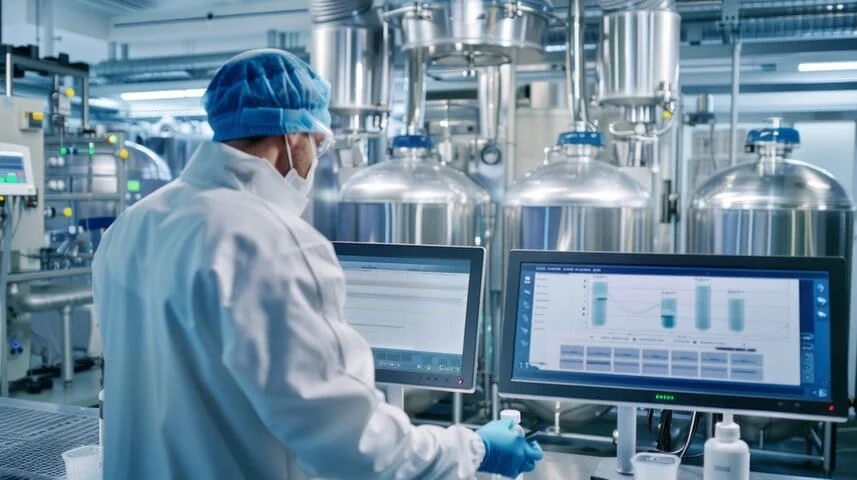
Imagine a medicine that needs to reach a hospital on time. A machine part that must be manufactured to exact specifications. Or a production line that supplies thousands of products to businesses every single day.
What happens if one machine suddenly stops working?
What if a batch of medicine cannot be traced properly? Or a factory loses access to the digital systems it depends on?
These may sound like separate problems, but they share one important connection: modern industries depend on technology far more than most people realise.
The Production, Engineering & Pharma sector is no longer driven by machinery and manual processes alone. Behind today’s factories, engineering facilities and pharmaceutical operations are connected networks, digital systems, real-time data and increasingly intelligent technologies.
The interesting part is that many of these changes happen quietly. We see the finished product, but rarely the technology and teamwork required to make it happen.
Why Modern Industries Are Becoming More Connected
Not long ago, many industrial operations relied heavily on standalone machines, paper records and information shared between departments.
That approach could work, but it often made it difficult to spot problems early or coordinate different parts of a business.
Today, manufacturers may need to connect production equipment, inventory systems, quality checks, warehouses and management platforms.
This is where industrial digital transformation comes in.
When systems communicate effectively, teams can gain a clearer picture of what is happening across their operations. They may identify delays sooner, monitor performance more consistently and make better-informed decisions.
However, connecting everything also creates a challenge: the technology must work reliably.
Strong network infrastructure, secure data sharing and well-managed IT systems are becoming important foundations for modern industrial operations.
Smart Manufacturing Is Changing the Factory Floor

A modern factory is not simply a building filled with machines. Increasingly, it is a place where equipment, software and people work together.
Through smart manufacturing, businesses can use connected devices, sensors and digital systems to monitor production processes.
For example, a sensor may detect unusual vibration in a machine. Instead of waiting for the equipment to fail, maintenance teams can investigate the issue before it causes a major interruption.
This approach is often associated with predictive maintenance.
It can help businesses plan maintenance more effectively, reduce unexpected downtime and make better use of equipment.
The goal is not to remove people from the production process. It is to give workers better information so they can respond to problems earlier.
AI Is Helping Engineers Solve Problems Faster
Engineering has always involved problem-solving. What is changing is the range of tools engineers can use.
Artificial intelligence (AI) can help analyse large datasets, identify patterns, support simulations and assist with design work.
Consider an engineering team developing a new component. They may need to compare different designs, evaluate material performance and identify potential weaknesses.
AI-assisted tools can help explore possibilities more quickly, while engineers apply their experience to review the results and make the final decisions.
In manufacturing, AI can also support visual quality inspections, production forecasting and process optimisation.
Still, AI is not a substitute for engineering judgement. Results need to be checked, systems need to be tested, and safety requirements must remain central.
The real opportunity lies in combining human expertise with useful digital tools.
Why Technology Matters So Much in the Pharmaceutical Industry
Pharmaceutical manufacturing carries responsibilities that go beyond producing goods quickly.
Medicines must meet strict quality requirements. Production records need to be accurate, processes must be controlled, and products often need to be traceable throughout the supply chain.
This makes pharmaceutical technology particularly important.
Digital systems can support documentation, batch tracking, inventory management and quality-control workflows. Depending on the process and regulatory requirements, they can also help teams maintain consistent records and identify discrepancies.
For example, if a quality issue is discovered, accurate digital records can help authorised teams investigate which batch is affected and where it has been distributed.
That can make traceability and decision-making more efficient.
However, technology alone does not guarantee compliance or product safety. Pharmaceutical organisations still need validated systems, trained employees, appropriate quality procedures and strong oversight.
The Hidden Importance of Reliable Network Connectivity

When people think about industrial technology, they often picture robots, advanced machinery or AI-powered software.
But there is another essential component: the network connecting these systems.
Imagine a facility where production dashboards, inventory platforms and monitoring tools depend on exchanging information throughout the day.
If connectivity becomes unstable, communication between systems may be disrupted. Staff may lose access to important information, and certain workflows may slow down.
This is why industrial network solutions matter.
Depending on the facility, businesses may need carefully planned wired and wireless networks, reliable connections between departments, secure remote access and appropriate network monitoring.
A well-designed network helps digital tools communicate consistently and supports the wider operation.
For industrial environments, connectivity should not be treated as an afterthought. It should be considered part of the overall technology plan.
Cybersecurity Is Now an Industrial Concern
As factories and pharmaceutical facilities become more connected, cybersecurity becomes more complicated.
Industrial organisations may operate traditional office IT alongside operational technology (OT), including equipment and systems used to control or monitor physical processes.
A security incident affecting these environments could disrupt production, expose sensitive information or create safety concerns.
That is why industrial cybersecurity deserves serious attention.
Businesses can strengthen their security approach by:
- Separating networks where appropriate, particularly between office IT and operational technology.
- Restricting access to critical systems.
- Keeping software and devices updated through controlled maintenance processes.
- Monitoring networks for unusual activity.
- Maintaining tested backups and recovery plans.
- Training employees to recognise phishing and other common cyber threats.
- Planning security changes carefully so they do not disrupt essential operations.
Security measures must fit the environment. In industrial settings, changes to equipment and operational systems often require careful testing and coordination.
Cloud Computing Is Supporting Better Coordination
Industrial businesses frequently operate across several departments, facilities, suppliers and distribution locations.
Keeping information organised across these operations can be challenging.
Cloud computing can help authorised teams access business applications, reports and shared information without relying entirely on systems located at one physical site.
For example, a manager may need production reports from one facility while the supply team checks stock at another location.
Connected digital platforms can make collaboration easier and reduce information silos.
However, cloud adoption requires planning. Businesses need to consider data sensitivity, access controls, internet reliability, regulatory obligations and integration with existing systems.
The best solution is not necessarily to move everything to the cloud. It is to choose the right setup for each workload and business requirement.
Skilled People Still Make the Difference
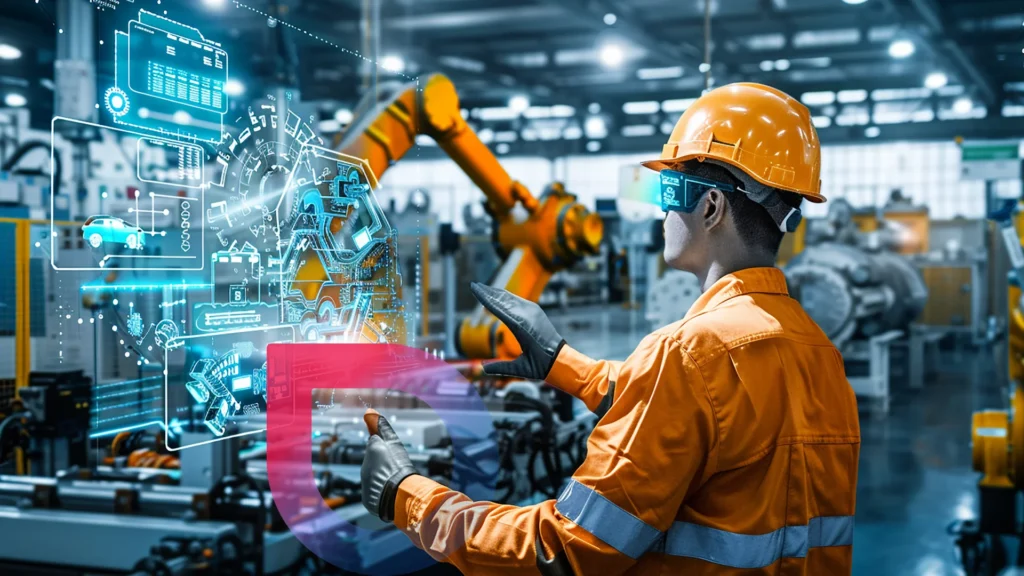
With all this discussion about automation, AI and connected machinery, it is easy to overlook the people behind industrial progress.
Engineers understand how equipment behaves under real-world conditions. Production teams notice when a process is becoming difficult to manage. Pharmaceutical professionals understand why accuracy and consistency matter.
Technology can provide information, but people still need to interpret it, challenge assumptions and make responsible decisions.
This is why digital skills development is becoming increasingly important across industrial sectors.
Employees need opportunities to understand new systems, work with digital tools and respond to changing operational requirements.
Businesses that invest in both technology and their workforce are better positioned to make practical use of digital transformation.
What Does the Future Hold for Production, Engineering & Pharma?
The next phase of industrial development will likely bring closer integration between automation, AI, connected equipment, digital records and data analysis.
Factories may become better at anticipating equipment problems. Engineering teams may use more advanced simulation tools. Pharmaceutical operations may continue improving traceability and digital quality management.
At the same time, businesses will need to manage the challenges that come with these developments: cybersecurity, system compatibility, workforce training, data quality and the cost of implementation.
There is no single technology that will solve every industrial problem.
Progress comes from understanding where a business faces difficulties and choosing tools that address those needs without adding unnecessary complexity.
For some organisations, the priority may be improving network reliability. For others, it may be upgrading older systems, strengthening security or connecting information across departments.
The important thing is to build a technology environment that supports real operational goals.
Final Thoughts: Progress Depends on More Than Machinery
The next time you see a manufactured product or pick up a packet of medicine, remember that the finished item is only one part of a much larger process.
Behind it may be engineers solving problems, production teams monitoring equipment, pharmaceutical specialists checking quality and digital systems helping different departments work together.
That is what makes Production, Engineering & Pharma such an important part of the modern economy.
Technology is opening new possibilities, but lasting progress depends on using it thoughtfully. Reliable connectivity, secure systems, skilled people and well-planned digital infrastructure can help industrial organisations operate with greater confidence.
The future will not belong simply to businesses with the newest machines. It will belong to those that understand how to make their people, processes and technology work together.
How Sizaf Infocomm Supports Connected Business Operations
SIZAF NET WITH TECH focuses on technology and connectivity solutions for individuals, offices, businesses and organisations.
For companies working towards more connected operations, dependable network solutions, managed IT services and suitable technology infrastructure can support everyday communication, digital workflows and business continuity.
Malaysia: +60 146600012
USA: +1 516 880 9996