
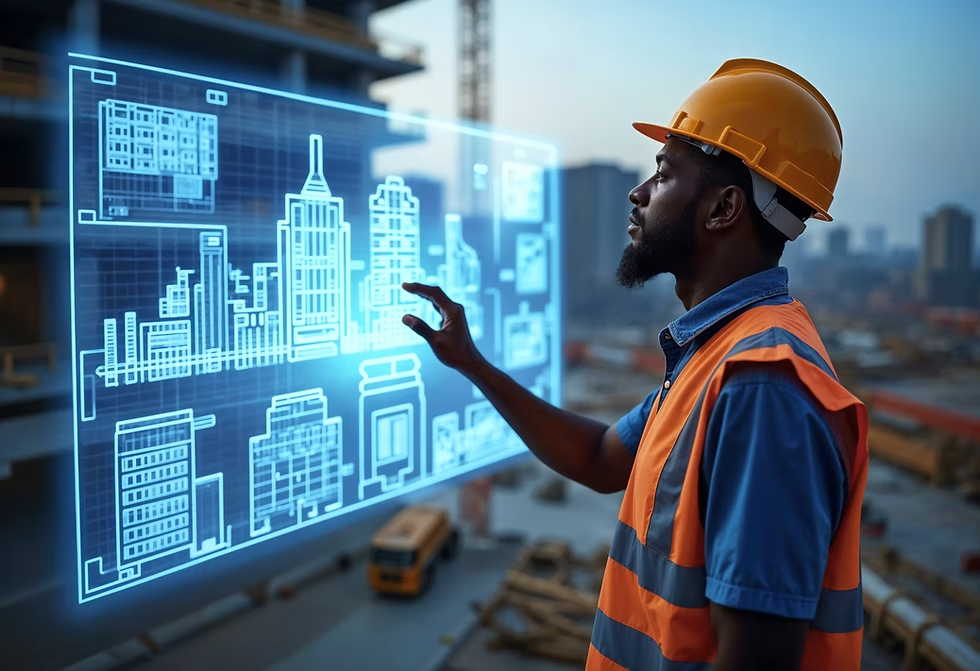
Walk onto a construction site today and you may notice something different.
There are still engineers checking plans, workers managing materials, project managers coordinating teams, and machinery moving around the site.
But alongside all of that, another layer is becoming increasingly important: technology.
Digital drawings are replacing stacks of paperwork. Teams can collaborate from different locations. Project information can be stored in the cloud. Connected devices can monitor equipment. Real estate companies can use digital platforms to reach potential buyers faster.
Construction and real estate have always been industries built around physical spaces.
Now, they are becoming increasingly dependent on digital infrastructure as well.
Why Technology Matters in Construction & Real Estate
Construction projects involve a lot of moving parts.
There are contractors, architects, engineers, suppliers, clients, consultants, workers, and government authorities.
If communication between these groups breaks down, even a small issue can become expensive.
A delayed document can hold up a decision.
A missing update can affect a project schedule.
Poor communication can lead to duplicated work.
An outdated drawing can create mistakes on-site.
Digital technology can help bring information and people together.
The goal isn’t to make construction complicated with more software.
It is to make the existing process easier to manage.
Cloud Technology Is Changing Project Collaboration
Construction teams are rarely in one place.
An architect may be working from an office.
An engineer may be visiting the construction site.
A contractor may be coordinating suppliers.
The client may be located in another city.
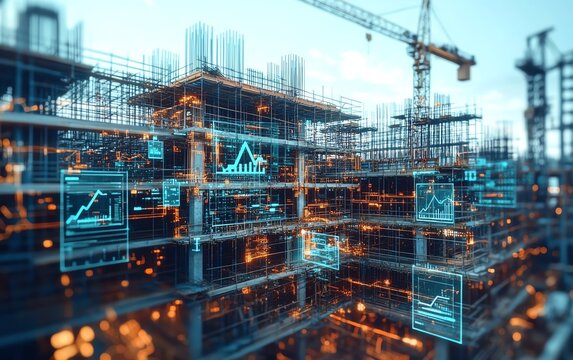
Cloud computing allows authorized teams to access and share information from different locations.
Project documents, plans, schedules, reports, and other information can be managed digitally rather than being dependent entirely on physical paperwork.
This can make collaboration faster and reduce the risk of teams working from outdated information.
For real estate businesses, cloud platforms can also support property information, customer management, documentation, communication, and internal operations.
IoT Is Bringing More Visibility to Construction Sites
The Internet of Things, or IoT, is creating new possibilities for construction.
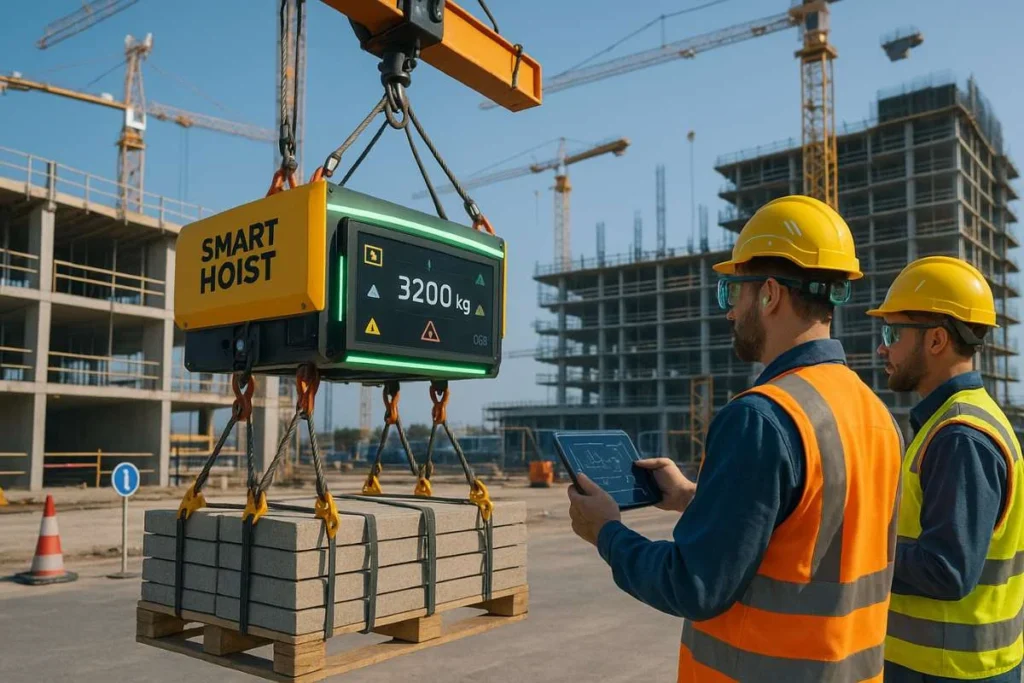
Connected sensors can monitor equipment, environmental conditions, locations, and other aspects of a project.
For example, businesses can use connected technology to understand how equipment is being used or identify potential maintenance requirements.
This can help companies move from simply reacting to equipment problems toward more proactive maintenance.
IoT can also provide project managers with more information about what is happening on a site.
And better information can lead to better decisions.
Smart Buildings Are Becoming More Practical
The idea of a smart building is no longer limited to futuristic concepts.
Modern buildings can include connected systems for lighting, security, energy management, access control, climate control, and other building functions.
These systems can improve both operational efficiency and the experience of people using the building.
For property owners, smart technology can also provide useful information about how a building is being used.
For example, energy monitoring can help identify areas where consumption is unnecessarily high.
The important thing is to start with a real business or operational need.
Technology should solve a problem rather than simply become another feature.
Reliable Network Infrastructure Is Essential
Many modern construction and real estate operations depend on connectivity.
Project teams communicate through online platforms.
Cloud applications require reliable internet.
Security systems depend on networks.
Smart building devices need connectivity.
Property websites and online systems need to remain available.
If the network isn’t reliable, these systems can become difficult to use.
This is why Network Solutions for Construction and Real Estate are becoming increasingly important.
Reliable connectivity creates the foundation on which other digital technologies can operate.
Cybersecurity Is Becoming a Construction Concern
Cybersecurity may not be the first thing people associate with construction.
But construction companies and real estate businesses handle valuable information.
Contracts.
Property details.
Financial information.
Customer information.
Project documents.
Employee records.
Supplier information.
A security incident could expose sensitive data or interrupt business operations.
As companies adopt more cloud platforms, connected devices, and digital applications, the number of systems requiring protection increases.
Businesses should therefore consider security as part of their technology infrastructure rather than something added later.
Digital Tools Can Improve Project Management
Construction projects depend heavily on timing.
Materials need to arrive when they are needed.
Workers need the right information.
Inspections need to happen on schedule.
Changes need to be communicated.
Budgets need to be monitored.
Digital project management tools can help teams organize these activities.
Instead of relying entirely on phone calls, spreadsheets, emails, and paper documents, teams can use centralized systems to track information.
This can improve visibility and make it easier to identify potential delays.
Technology won’t eliminate every construction problem.
But it can help teams see problems earlier.
Real Estate Is Becoming More Digital Too
The transformation isn’t limited to construction sites.
Real estate businesses are changing how they market and sell properties.
A potential buyer may discover a property through social media or an online search.
They may view photos and videos.
They may explore a virtual tour.
They may compare properties online.
They may contact an agent through a website.
In other words, the customer journey increasingly starts digitally.
That makes a strong Real Estate Digital Strategy important.
A company’s website, online presence, customer communication, and digital systems can influence how potential customers perceive the business.
Virtual Tours Can Change Property Marketing
Imagine looking at a property without physically visiting it.
Virtual tours and 3D experiences can give potential buyers or tenants a better understanding of a space before arranging an in-person visit.
This can be particularly useful for:
- Residential properties
- Commercial buildings
- New developments
- Hotels
- Office spaces
- Industrial properties
Virtual experiences don’t necessarily replace physical visits.
Instead, they can help people decide which properties are worth visiting.
That can save time for both customers and real estate professionals.
Artificial Intelligence Is Entering the Industry
AI is also finding practical applications across construction and real estate.
Construction businesses can explore AI for areas such as project analysis, planning, document processing, risk identification, and predictive maintenance.
Real estate companies can use AI to assist with property recommendations, customer communication, market analysis, and content creation.
But businesses should avoid adopting AI simply because it is trending.
The better approach is to identify repetitive or information-heavy tasks where AI can genuinely provide value.
Human expertise still matters.
A project manager understands the realities of a construction site.
An experienced property professional understands local markets and customer behaviour.
AI should support that expertise rather than blindly replace it.
Technology Can Help Reduce Construction Waste
Construction businesses constantly deal with materials.
Ordering too much creates waste.
Ordering too little can cause delays.
Poor inventory visibility can make planning more difficult.
Digital inventory systems can provide better visibility into materials and resources.
Combined with data analysis and connected systems, businesses can make more informed decisions about purchasing, storage, and usage.
This can potentially improve efficiency while supporting more sustainable construction practices.
Technology and Sustainability Are Becoming Connected
Sustainability is becoming an increasingly important consideration in construction and real estate.
Buildings consume energy.
Construction projects use materials.
Transportation creates emissions.
Waste management is a major concern.
Technology can help businesses measure and manage some of these areas.
Smart building systems can monitor energy consumption.
Connected sensors can provide information about environmental conditions.
Digital systems can reduce dependence on paper.
Data can help property owners understand where improvements may be possible.
Technology alone won’t make construction sustainable.
But better information can make sustainability decisions more practical.
The Importance of Digital Security for Smart Buildings
A smart building can contain dozens or even hundreds of connected systems.
Lighting.
Cameras.
Access controls.
Sensors.
HVAC systems.
Building management platforms.
Every connected system needs appropriate security.
If these systems are poorly managed, they can potentially create vulnerabilities.
This means smart buildings need more than smart technology.
They need Smart Building Security.
Strong authentication, network segmentation, monitoring, software updates, and access controls can all play a role depending on the building and its systems.
Managed IT Services Can Support Growing Construction Businesses
As construction and real estate companies adopt more technology, managing that technology can become difficult.
Someone needs to monitor networks.
Systems need updates.
Employees need support.
Data needs backups.
Security needs attention.
Cloud platforms need to be managed.
For businesses without a large internal IT department, Managed IT Services can provide ongoing technical support and infrastructure management.
This allows construction and real estate teams to focus more on projects, properties, customers, and growth.
Technology works best when someone is responsible for keeping it healthy.
What a Future-Ready Construction Business Looks Like
A future-ready construction company doesn’t necessarily need the most expensive technology.
It needs technology that works together.
A reliable network.
Secure systems.
Cloud collaboration.
Digital project management.
Connected equipment where useful.
Data backup.
Strong cybersecurity.
Technology support.
And employees who understand how to use the tools properly.
The same principle applies to real estate.
A modern real estate business needs more than an attractive property listing.
It needs a reliable digital presence, secure customer data, effective communication systems, and technology that supports the entire customer journey.
Final Thoughts
Construction and real estate are often described as traditional industries.
But the way these industries operate is changing quickly.
Technology is becoming part of project planning, construction management, property marketing, building operations, communication, security, and customer experience.
The companies that benefit most won’t necessarily be those that adopt every new technology.
They will be the ones that understand their problems and choose technology that solves them.
A reliable digital foundation can make collaboration easier.
Better connectivity can keep teams connected.
Smart systems can improve visibility.
Cybersecurity can protect important information.
Cloud platforms can support flexibility.
And data can help businesses make better decisions.
The future of Construction & Real Estate isn’t simply about building smarter physical spaces.
It’s about building smarter businesses behind them.
How Sizaf Infocomm Can Help
Sizaf Infocomm provides technology solutions that can support businesses looking to strengthen their digital infrastructure, connectivity, networks, cloud environment, and ongoing IT operations.
With solutions across Tech Infrastructure Services, Network Services, Managed IT Services, Web & Media Services, Cloud Computing, and Business Connectivity, businesses can build a stronger technology foundation around their operational requirements.
Malaysia: +60 146600012
USA: +1 516 880 9996
Website: https://sizaf.com/