

Think about everything that happens before a package reaches your doorstep.
Someone has to receive the order.
The product needs to be located.
Inventory needs to be updated.
The item has to be packed.
A vehicle needs to be assigned.
The shipment needs to travel through one or more locations.
Someone needs to track it.
And finally, it needs to reach the customer.
From the outside, it can look simple.
Behind the scenes, however, Transport & Logistics is a highly connected operation involving people, vehicles, warehouses, software, networks, suppliers, and customers.
This is why technology has become such an important part of modern logistics.
Today, companies are moving toward smarter and more connected logistics operations where information can move almost as quickly as the goods themselves.
Why Technology Matters in Transport & Logistics
Transport and logistics businesses operate under constant pressure.
Customers want faster deliveries.
Businesses want better visibility.
Fuel and operating costs need to be controlled.
Vehicles need to be used efficiently.
Warehouses need to stay organised.
Unexpected delays need to be managed.
At the same time, companies need to maintain reliable customer communication.
Technology can help bring these different requirements together.
Instead of relying entirely on phone calls, paperwork, spreadsheets, and manual updates, businesses can connect different parts of their operations through digital systems.
The result can be better visibility and faster decision-making.
GPS and Real-Time Tracking Are Changing Delivery Operations
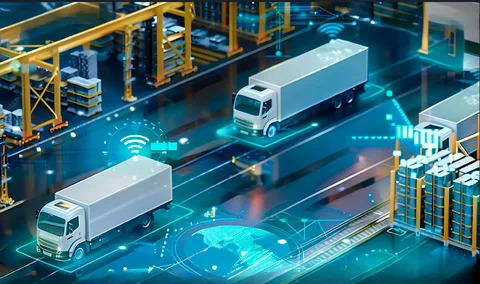
One of the most familiar examples of logistics technology is GPS tracking.
Customers increasingly expect to know where their shipment is.
Businesses want to know where their vehicles are.
Fleet managers need visibility into routes and delivery progress.
GPS and tracking technologies can provide this information.
Real-time location data can help businesses monitor vehicles, estimate arrival times, identify delays, and communicate more accurately with customers.
It can also provide useful information for reviewing routes and fleet performance.
The important point is that tracking isn’t only about knowing where a vehicle is.
It’s about turning location information into useful operational decisions.
IoT Is Connecting Vehicles, Warehouses, and Equipment
The Internet of Things (IoT) is becoming increasingly relevant to logistics.
Connected devices can collect information from vehicles, warehouses, equipment, and shipments.
For example, sensors may monitor:
- Temperature
- Location
- Movement
- Humidity
- Fuel consumption
- Equipment condition
This can be especially useful when transporting goods that require controlled environmental conditions.
Instead of waiting until a shipment arrives to discover a problem, connected monitoring can provide information during transportation.
That creates an opportunity to respond earlier.
AI Can Help Make Logistics More Predictive
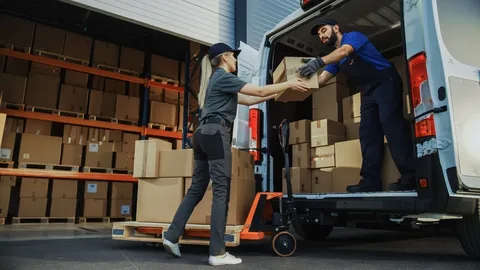
Artificial intelligence is changing how businesses analyse information.
Logistics companies generate large amounts of data every day.
Orders.
Routes.
Delivery times.
Vehicle information.
Warehouse activity.
Customer demand.
Fuel consumption.
AI can analyse patterns across this information and support decision-making in areas such as demand forecasting, route planning, inventory management, and operational analysis.
For example, if historical data suggests that demand for a particular product regularly increases during a certain period, businesses can prepare inventory and transportation capacity in advance.
AI doesn’t eliminate uncertainty.
But it can help businesses make more informed decisions.
Route Optimisation Can Reduce Unnecessary Travel
Transportation is one area where small improvements can add up.
Consider a fleet making hundreds or thousands of deliveries.
If routes aren’t planned efficiently, vehicles may travel unnecessary distances.
That can increase:
- Fuel consumption
- Travel time
- Vehicle wear
- Delivery costs
- Driver workload
Digital route optimisation tools can consider factors such as destinations, schedules, traffic information, vehicle capacity, and delivery requirements.
Better planning can help businesses use their transportation resources more effectively.
Warehouse Technology Is Becoming Smarter
A warehouse isn’t simply a place where products are stored.
It is a constantly moving environment.
Goods arrive.
Products are counted.
Orders are picked.
Items are packed.
Shipments leave.
Every movement needs to be recorded accurately.
Digital warehouse management systems can help businesses track inventory, organise operations, and improve visibility.
Technologies such as barcode scanning, RFID, connected devices, automation, and warehouse analytics can further improve operational efficiency.
The goal isn’t to remove people from warehouses.
It is to give employees better information and reduce unnecessary manual work.
Cloud Computing Connects Logistics Operations
Transport and logistics businesses often operate across multiple locations.
A fleet may be travelling across cities or countries.
Warehouses may be located far from headquarters.
Customers may be spread across different regions.
Cloud computing can help connect information across these locations.
Teams can access approved systems and data without relying entirely on information stored at a single physical location.
Cloud platforms can support:
- Logistics management
- Inventory systems
- Fleet information
- Customer management
- Data storage
- Reporting
- Collaboration
This can be particularly useful for businesses that need information to move between locations quickly.
Reliable Networks Are the Backbone of Digital Logistics
Imagine a warehouse where scanners cannot connect to the system.
Or a fleet management platform that keeps disconnecting.
Or a logistics office that cannot access its cloud applications.
Even a short connectivity problem can disrupt operations.
This is why Network Services and reliable Business Connectivity are increasingly important in logistics.
Modern logistics operations depend on constant communication between devices, vehicles, warehouses, employees, customers, and cloud systems.
A reliable network helps keep these connections working.
Digital Documents Can Reduce Manual Work
Logistics has traditionally involved significant amounts of paperwork.
Invoices.
Delivery documents.
Shipping information.
Inventory records.
Proof of delivery.
Digital systems can reduce some of this manual work.
Electronic documentation can make information easier to store, search, share, and update.
It can also reduce the risk of losing physical documents.
More importantly, digital records can help different teams access the same information instead of maintaining separate versions.
Customer Expectations Are Changing
Customers don’t simply want their packages delivered.
They want information.
They want to know:
Where is my order?
When will it arrive?
Has it been dispatched?
Has there been a delay?
Who is delivering it?
This has made communication an important part of the logistics experience.
Tracking platforms, automated notifications, websites, mobile applications, and customer portals can provide customers with greater visibility.
Good logistics technology therefore improves more than internal operations.
It can directly influence customer satisfaction.
Cybersecurity Is Becoming a Logistics Priority
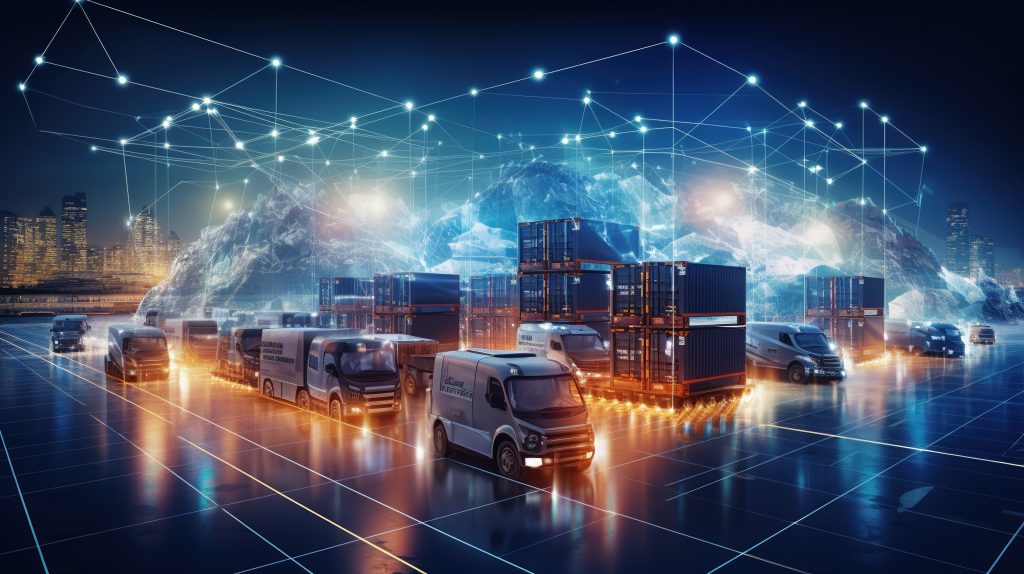
As logistics becomes more digital, cybersecurity becomes increasingly important.
Transport businesses may handle:
- Customer information
- Delivery details
- Supplier information
- Financial records
- Fleet data
- Employee information
- Operational systems
A security incident can disrupt more than computers.
It can affect real-world operations.
Businesses should therefore consider network security, access controls, secure authentication, software updates, backups, device protection, and monitoring as part of their overall technology strategy.
The more connected a logistics operation becomes, the more important cybersecurity becomes.
Fleet Management Is Becoming Data-Driven
Fleet managers traditionally relied heavily on experience.
Today, they can also use data.
Fleet technology can provide information about:
- Vehicle locations
- Fuel usage
- Mileage
- Maintenance requirements
- Route performance
- Driver behaviour
- Delivery activity
This information can help businesses identify patterns and make operational improvements.
For example, maintenance data may help identify vehicles that require attention before a small issue becomes a larger problem.
Predictive Maintenance Can Keep Vehicles Moving
A vehicle sitting in a workshop isn’t generating value for a logistics company.
Unexpected breakdowns can create delays and additional costs.
Predictive maintenance uses data from vehicles and equipment to identify potential maintenance needs.
Depending on the technology available, businesses may monitor things such as engine conditions, mileage, temperature, vibration, or other operational indicators.
This allows maintenance to become more proactive.
Instead of simply reacting to breakdowns, companies can use available information to plan maintenance more effectively.
Digital Supply Chains Improve Visibility
Modern supply chains can involve many organisations.
Manufacturers.
Suppliers.
Warehouses.
Transport providers.
Distributors.
Retailers.
Customers.
When information remains isolated within separate systems, it becomes difficult to see the complete picture.
Connected digital systems can improve supply chain visibility by allowing relevant information to move between different stages.
Better visibility can help businesses identify delays, manage inventory, and respond to changes more quickly.
Sustainability Is Also Influencing Logistics Technology
Transport has a direct relationship with fuel consumption and emissions.
Technology can help businesses understand where resources are being used.
Route optimisation can reduce unnecessary travel.
Fleet analytics can highlight inefficient vehicle usage.
Digital documentation can reduce paper consumption.
Better inventory planning can reduce unnecessary movement.
These changes may appear small individually.
Across a large logistics operation, however, small improvements can add up.
What Businesses Should Consider Before Going Digital
Technology adoption should not simply be about buying new software.
Businesses should start with their actual problems.
Ask:
Where are delays happening?
Where is information being entered manually?
Where do teams lack visibility?
Which processes create the most errors?
Can our network support connected operations?
Are our systems secure?
Can our technology scale as the business grows?
These questions can help companies identify where technology can create genuine value.
The Future of Transport & Logistics
The logistics industry will continue becoming more connected.
AI will support more planning and forecasting.
IoT devices will provide more real-time information.
Warehouses will become increasingly automated.
Cloud platforms will connect more operations.
Fleet management will become more data-driven.
Customers will expect even greater shipment visibility.
At the same time, cybersecurity and reliable infrastructure will become increasingly important.
The future isn’t simply about faster transportation.
It is about smarter coordination.
When vehicles, warehouses, networks, software, employees, and customers can share useful information efficiently, logistics becomes more responsive.
Final Thoughts
Transport and logistics may look like a physical industry, but technology is quietly becoming one of its most important foundations.
Every shipment depends on information.
Where is it?
Where should it go?
When will it arrive?
Is the vehicle ready?
Is the inventory available?
Has the customer been informed?
Technology helps answer these questions.
The businesses that benefit most won’t necessarily be the ones using the most technology.
They will be the ones using technology to solve real operational problems.
Reliable connectivity.
Connected devices.
Cloud platforms.
AI.
Tracking.
Automation.
Cybersecurity.
When these technologies work together, they can create a logistics operation that is more visible, responsive, and prepared for change.
The future of Transport & Logistics isn’t just about moving goods from one place to another.
It’s about moving information intelligently alongside them.
How Sizaf Infocomm Can Help
Sizaf Infocomm provides technology solutions designed to support businesses that depend on reliable digital infrastructure and connectivity.
From Network Services and Tech Infrastructure Services to Managed IT Services, Cloud Computing, Web & Media Services, and Business Connectivity, the right technology foundation can help Transport & Logistics businesses keep their operations connected and ready for growth.
Malaysia: +60 146600012
USA: +1 516 880 9996
Website: https://sizaf.com/