

Imagine starting your workday.
You open your laptop.
You connect to the internet.
You access your business applications.
You check emails.
You open cloud files.
Your team joins an online meeting.
A customer submits an enquiry through your website.
Everything seems normal.
But behind those simple actions is something most people rarely think about: technology infrastructure.
When it works properly, nobody notices it.
When it fails, everyone notices.
A slow network can delay work. A server problem can stop operations. A security issue can put important information at risk. Outdated systems can make employees frustrated and prevent businesses from adopting newer technologies.
That is why Tech Infrastructure Services have become such an important part of modern business operations.
Technology infrastructure is no longer just an IT department’s responsibility.
It is part of the foundation on which modern businesses operate, communicate, serve customers, and grow.
What Is Tech Infrastructure?
In simple terms, technology infrastructure is the combination of systems and technology that keeps a business running digitally.
It can include:
- Servers
- Networks
- Cloud systems
- Storage
- Computers and devices
- Cybersecurity systems
- Data backup
- Business applications
- Connectivity
- IT management tools
Think of it like the foundation of a building.
Customers may never see the foundation, but the building depends on it.
The same is true for digital infrastructure.
A business may have a great website, powerful software, and talented employees, but if the technology supporting them is unreliable, everyday operations can become difficult.
Why Businesses Are Rethinking Their IT Infrastructure
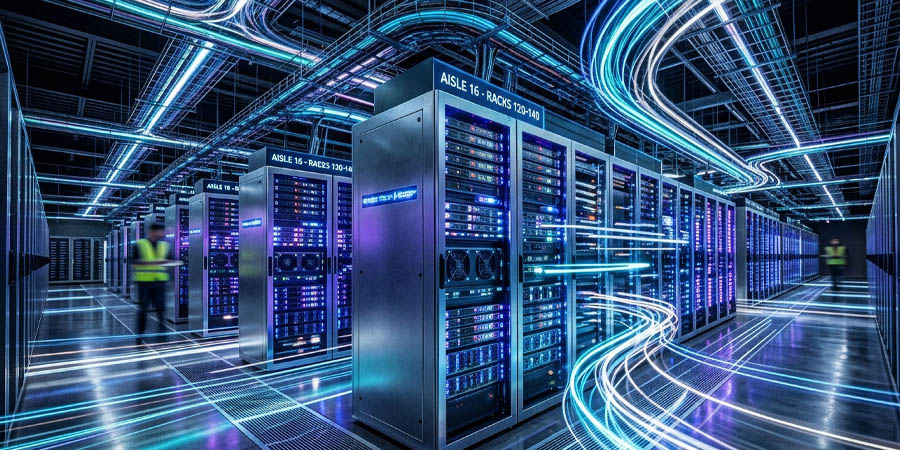
Business technology has changed dramatically.
Employees now work from offices, homes, client locations, and different cities.
Companies use cloud applications instead of relying entirely on physical systems.
Customers expect digital services to be available around the clock.
Businesses use connected devices and automated systems.
Cybersecurity threats continue to evolve.
And artificial intelligence is creating new technology requirements.
This means the infrastructure built several years ago may not be suitable for the way a business operates today.
Modern infrastructure needs to be flexible.
It needs to support current operations while leaving room for future growth.
Reliable Connectivity Is the Starting Point
Think about how much of your business depends on the internet.
Email.
Cloud applications.
Video meetings.
Online payments.
Customer support.
Websites.
Digital marketing.
File sharing.
Remote work.
When connectivity goes down, productivity can quickly drop.
This is why Business Connectivity is such an important part of technology infrastructure.
A strong infrastructure strategy should consider not only internet speed but also reliability, network design, security, redundancy, and the actual needs of the business.
The fastest connection isn’t always the best solution.
The better solution is one that is reliable and appropriate for the company’s operations.
Cloud Infrastructure Is Changing the Way Businesses Operate
Cloud computing has made it easier for businesses to access technology without depending entirely on physical infrastructure.
Teams can access approved files and applications from different locations.
Businesses can scale certain resources as requirements change.
Cloud services can also support backup, collaboration, data storage, and business applications.
But moving to the cloud doesn’t automatically solve every IT problem.
Cloud environments still need to be planned, secured, monitored, and managed properly.
A poorly managed cloud environment can become expensive or difficult to control.
The goal should be smart cloud adoption, not simply moving everything online.
Cybersecurity Starts With Infrastructure
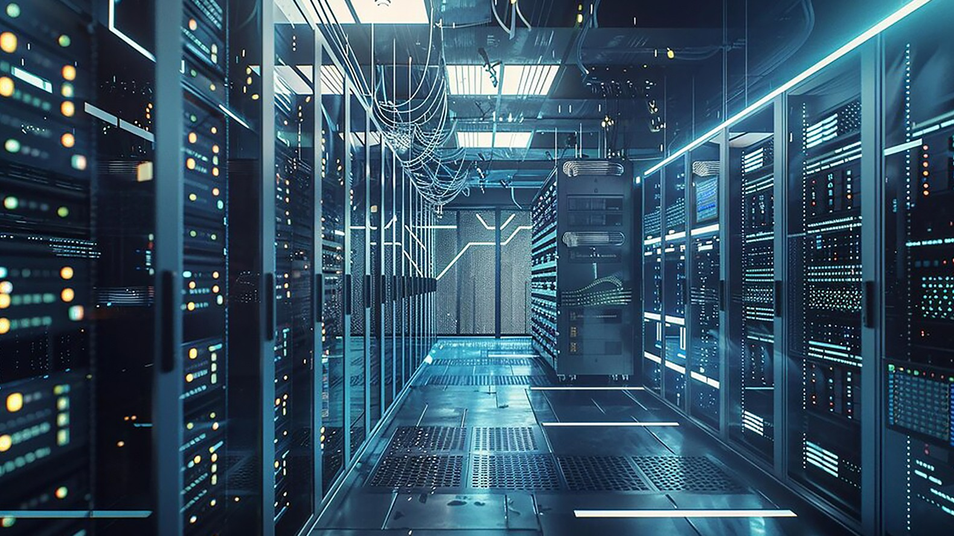
Security isn’t something businesses can add at the very end.
It needs to be considered when infrastructure is designed.
Every connected device, application, user account, and network connection can potentially become part of a company’s security environment.
Businesses therefore need to think about:
- Access controls
- Authentication
- Network security
- Device protection
- Data encryption
- Software updates
- Monitoring
- Backup systems
- Employee awareness
A strong security strategy doesn’t guarantee that every threat will disappear.
But it can reduce unnecessary exposure and help businesses respond more effectively when something goes wrong.
Data Backup Can Prevent a Small Problem From Becoming a Disaster
Imagine spending years building your customer database.
Then one day, important files disappear.
Perhaps a system fails.
Perhaps someone accidentally deletes information.
Perhaps malware affects business data.
Without reliable backups, recovering that information can become extremely difficult.
Data backup should therefore be a normal part of infrastructure planning.
A good backup strategy considers where data is stored, how frequently it is backed up, who can access it, and how quickly it can be restored.
Backup isn’t exciting.
But when something goes wrong, it can become one of the most valuable systems a business has.
Scalability Matters as Businesses Grow
A small business may start with a few employees and a relatively simple technology environment.
Then things change.
The company hires more people.
Opens another location.
Adds new software.
Serves more customers.
Expands into another market.
Suddenly, the technology environment becomes much more complicated.
If the infrastructure wasn’t designed to grow, businesses may find themselves replacing systems repeatedly.
A scalable infrastructure approach helps companies prepare for change.
This doesn’t mean buying the largest possible system today.
It means creating a technology environment that can expand when the business actually needs it.
Remote Work Has Changed Infrastructure Requirements
The traditional office is no longer the only place where work happens.
Employees may work remotely or use hybrid arrangements.
That creates new infrastructure requirements.
Employees need secure access to business applications.
Teams need reliable communication tools.
Cloud platforms need to be accessible.
Company devices need protection outside the office.
Security policies need to account for different locations and networks.
Modern IT Infrastructure Services therefore need to support both office-based and remote operations.
The infrastructure should follow the way people work—not force people to work around outdated infrastructure.
IoT Is Adding More Connected Devices
The Internet of Things is another reason infrastructure is becoming more complex.
Businesses across industries are connecting more devices to their networks.
These might include:
- Sensors
- Cameras
- Smart equipment
- Tracking systems
- Environmental monitors
- Industrial devices
- Building management systems
Each connected device can generate information and potentially provide useful insights.
But more devices also mean more infrastructure to manage.
Businesses need to know what is connected, where it is connected, and how it is protected.
AI Is Creating New Infrastructure Demands
Artificial intelligence is becoming part of business operations.
Companies are using AI for customer service, data analysis, content, automation, forecasting, and other tasks.
But AI isn’t simply a software decision.
Some AI applications can require additional computing resources, storage, connectivity, data management, and security considerations.
This is why businesses should think about whether their existing infrastructure is AI-ready.
You don’t necessarily need to build an enormous AI infrastructure today.
But you should understand whether your current systems can support the technologies you may want to adopt tomorrow.
Why Network Design Matters
A business network isn’t simply a box connected to the internet.
Network architecture affects how devices communicate, how users access resources, and how security controls can be implemented.
A well-designed network can help businesses:
- Improve reliability
- Separate different types of traffic
- Manage access
- Support connected devices
- Improve performance
- Strengthen security
As companies become more digitally dependent, network design becomes increasingly important.
Technology Maintenance Is Easy to Ignore

One common mistake businesses make is thinking about infrastructure only when something breaks.
A server stops working.
A computer becomes infected.
The network slows down.
A system becomes outdated.
Then someone starts looking for a solution.
A better approach is proactive maintenance.
Regular monitoring, updates, backups, security checks, and system reviews can help identify issues before they become major disruptions.
This is one reason businesses increasingly consider Managed IT Services alongside their technology infrastructure.
Infrastructure Should Support Employees Too
Technology is supposed to help employees do their jobs.
But poorly designed technology can have the opposite effect.
If employees constantly struggle with slow applications, unreliable connectivity, outdated computers, or complicated systems, productivity suffers.
A good infrastructure strategy considers the people using the technology.
Employees need reliable devices.
They need access to the systems required for their roles.
They need appropriate security.
And they need support when something doesn’t work.
Technology should remove friction from everyday work—not create more of it.
Technology Infrastructure and Customer Experience Are Connected
Customers may never know which cloud platform your company uses.
They may not care which network equipment sits inside your office.
But they notice the results.
They notice when a website loads quickly.
They notice when customer support responds promptly.
They notice when an online service works smoothly.
They notice when payments process without problems.
They notice when a business is consistently available.
In that sense, infrastructure indirectly becomes part of the customer experience.
Good infrastructure creates the conditions for good service.
How Businesses Can Build a Stronger Infrastructure
Businesses don’t have to transform everything overnight.
Start by asking a few practical questions.
What technology does our business depend on every day?
Where are our biggest points of failure?
Is our network reliable enough?
Are our systems secure?
Are our backups actually working?
Can our infrastructure support remote employees?
Can it scale with business growth?
What technology might we need in the next few years?
These questions can help identify where investment is most important.
The objective isn’t to collect technology.
It is to build an environment that supports the business.
The Future of Tech Infrastructure
Technology infrastructure will continue to evolve.
Cloud environments will become more sophisticated.
AI will create new computing and data requirements.
IoT will connect more devices.
Cybersecurity will become even more important.
Remote and hybrid work will continue to influence IT planning.
Businesses will also expect greater flexibility from their technology providers.
But one principle will remain the same:
The infrastructure should serve the business—not the other way around.
Companies don’t need technology simply because it is new.
They need technology because it helps them work better, serve customers better, protect information, or grow.
Final Thoughts
Technology infrastructure is often invisible.
Customers don’t see your network.
Employees don’t always think about your servers.
Nobody celebrates a successful backup at the end of the day.
But these systems matter.
They quietly support communication, productivity, security, customer service, collaboration, and growth.
When infrastructure is weak, businesses feel the effects quickly.
When it is strong, technology simply works in the background.
That is the real value of Tech Infrastructure Services.
It’s not about having the most impressive technology.
It’s about having the right technology, properly connected, securely managed, and ready to support where your business is going next.
How Sizaf Infocomm Can Help
Sizaf Infocomm helps businesses build and manage technology environments around their operational requirements.
From Tech Infrastructure Services and Network Services to Managed IT Services, Web & Media Services, Cloud Computing, and Business Connectivity, businesses can create a stronger digital foundation without treating every technology challenge as a separate problem.
Get in Touch with Sizaf Infocomm
Malaysia: +60 146600012
USA: +1 516 880 9996
Website: https://sizaf.com/