
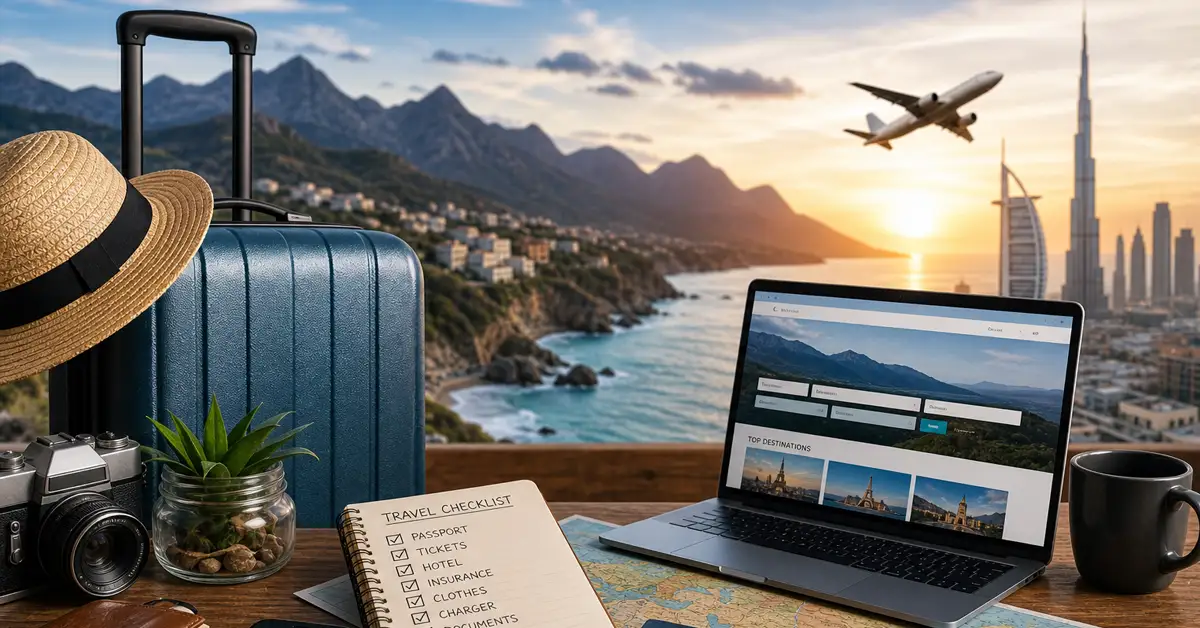
Travel used to begin with a simple question: “Where should we go?”
Today, the journey often begins much earlier.
A traveler may discover a destination through social media, compare hotels online, ask an AI tool for suggestions, check reviews, compare prices, make a digital payment, download a mobile boarding pass, and use a smartphone throughout the entire trip.
In other words, technology has become part of the travel experience from the moment an idea appears until the traveler returns home.
This change is creating new opportunities across the Travel & Leisure industry. Hotels, airlines, travel agencies, tour operators, restaurants, entertainment businesses, and destinations are all using technology to understand customers better and make travel more convenient.
But there is an important point to remember: technology should make travel easier, not make it feel complicated.
How Technology Is Changing Travel & Leisure
The modern traveler expects information quickly.
They want to know where to go, how much it will cost, what they can do there, where to stay, how to get around, and what other travelers think.
Digital platforms have made all of this easier.
Travel businesses can now use websites, mobile applications, cloud systems, digital payments, data analytics, artificial intelligence, and connected devices to support customers at different stages of their journey.
This means the competition is no longer only about offering a good destination or attractive room.
It is also about creating a smooth digital experience around that offering.
AI Is Changing How People Plan Trips
One of the biggest technology shifts in travel is Artificial Intelligence (AI).
Travelers are increasingly using AI tools to discover destinations, create itineraries, compare options, and find activities that match their interests. Recent industry research shows that generative AI use in travel planning has grown significantly, while 2026 travel research describes AI as increasingly involved in discovery, planning, booking, and travel management.
Imagine someone saying:
“I have five days, I want a quiet destination, I enjoy local food, I don’t want to spend too much, and I prefer places that are not extremely crowded.”
Instead of searching through dozens of websites, AI can help create an initial shortlist based on those preferences.
This does not mean human travel professionals become unnecessary.
In fact, current travel discussions highlight an important balance: AI can speed up research and planning, but real-world schedules, pricing, availability, and local conditions still require human judgment and verification.
Personalization Is Becoming More Important
Not every traveler wants the same experience.
One person may want adventure. Another may want relaxation. Someone else may be interested in food, culture, shopping, wellness, sports, or family activities.
Technology allows travel companies to understand these different preferences and provide more relevant recommendations.
Personalization can appear in many forms:
- Hotel recommendations
- Destination suggestions
- Activity recommendations
- Restaurant suggestions
- Travel packages
- Loyalty offers
- Relevant notifications
- Customized travel content
The goal is simple: instead of showing everyone the same experience, businesses can make their digital interactions more relevant.
Mobile Technology Is With Travelers Everywhere
For many people, the smartphone has become one of the most useful travel tools they carry.
It can hold booking information, maps, tickets, payment options, travel apps, hotel details, translation tools, and communication services.
This makes mobile technology extremely important for Travel & Leisure businesses.
A traveler may use a smartphone to:
- Check into a hotel
- Access a digital ticket
- Find directions
- Make a payment
- Contact customer support
- Check booking details
- Find nearby attractions
- Receive travel updates
Because so much of the travel journey now happens through mobile devices, websites and applications need to be fast, easy to navigate, and reliable.
Reliable Internet Connectivity Matters

A great digital travel experience depends on something people often notice only when it stops working: connectivity.
Travelers increasingly expect access to reliable internet in hotels, airports, restaurants, resorts, transport hubs, and other destinations.
A slow or unstable connection can affect everything from online bookings and digital payments to video calls and cloud applications.
For travel businesses, network infrastructure therefore plays an important role behind the scenes.
Reliable Wi-Fi, broadband, wireless networks, and secure connectivity can support both customers and employees.
For a hotel, for example, connectivity may support guest Wi-Fi, smart room systems, digital check-in, payment systems, staff communication, security cameras, and property management platforms.
One network environment can therefore support many different parts of the customer experience.
Cloud Computing Keeps Travel Businesses Connected
Travel businesses often work with large amounts of information.
Bookings, customer profiles, payments, inventory, schedules, room availability, loyalty programs, supplier information, and operational data may all need to work together.
Cloud computing can help organisations manage these systems more flexibly.
Cloud platforms can support remote access, collaboration, data storage, applications, backups, and scalability.
For companies operating across multiple locations, this can be especially useful.
A travel business may have offices in different cities while serving customers from many countries. Cloud-based systems can help teams work with shared information instead of relying entirely on isolated local systems.
IoT Is Making Travel More Connected
The Internet of Things (IoT) is also becoming part of modern travel environments.
Connected devices can collect information and communicate with other systems.
In hospitality, IoT can support:
- Smart room controls
- Energy management
- Equipment monitoring
- Security systems
- Temperature monitoring
- Asset tracking
- Maintenance alerts
For example, connected systems can help identify when equipment needs attention before it creates a larger operational problem.
This can improve efficiency while also helping businesses provide a more comfortable experience for guests.
Digital Payments Are Improving Convenience
Travelers do not want unnecessary friction when paying for services.
Digital payment systems have made it easier to pay for hotels, restaurants, tickets, activities, transport, and other travel-related services.
The growth of mobile wallets, contactless payments, online banking, and regional digital payment systems is making transactions increasingly convenient.
But convenience needs to be balanced with payment security.
Travel businesses must protect customer information and ensure that payment systems are properly secured.
Cybersecurity Is Critical in Travel
Travel businesses manage valuable information.
Customer names, contact details, booking information, payment information, loyalty data, passport-related information, and other personal details may be stored digitally.
That makes cybersecurity a major consideration.
The more connected a travel business becomes, the more important it is to protect its systems.
Security can include:
- Strong authentication
- Access controls
- Data encryption
- Secure networks
- Regular software updates
- Employee awareness
- Backup systems
- Monitoring
- Incident response
The issue is not simply preventing attacks.
It is also protecting customer trust.
Travelers may be willing to try new technology, but they still want confidence that their information and transactions are being handled responsibly. Recent travel-industry research similarly identifies cybersecurity, privacy, and trust as increasingly important as digital and AI systems expand.
Digital Experiences Can Improve Customer Service
Technology should not make hospitality less personal.
Instead, it can give employees better information so they can provide more useful service.
For example, a hotel employee could quickly access a guest’s booking details and preferences rather than asking the same questions repeatedly.
A travel company could provide automated updates when a flight or activity changes.
A customer could receive information through an app rather than waiting on a phone call.
These small improvements can reduce frustration.
The strongest digital travel experiences often combine technology with human service rather than choosing one over the other.
Reviews and Digital Content Influence Travel Decisions
Before booking a trip, people often look at photos, videos, reviews, social media posts, maps, and recommendations.
This means digital content has become a major part of travel marketing.
A destination may be beautiful, but travelers need to discover it first.
Travel businesses therefore need a strong digital presence that accurately communicates what they offer.
Good websites, useful content, clear information, quality images, customer reviews, and active digital communication can all influence travel decisions.
Technology Is Helping Smaller Destinations Get Discovered
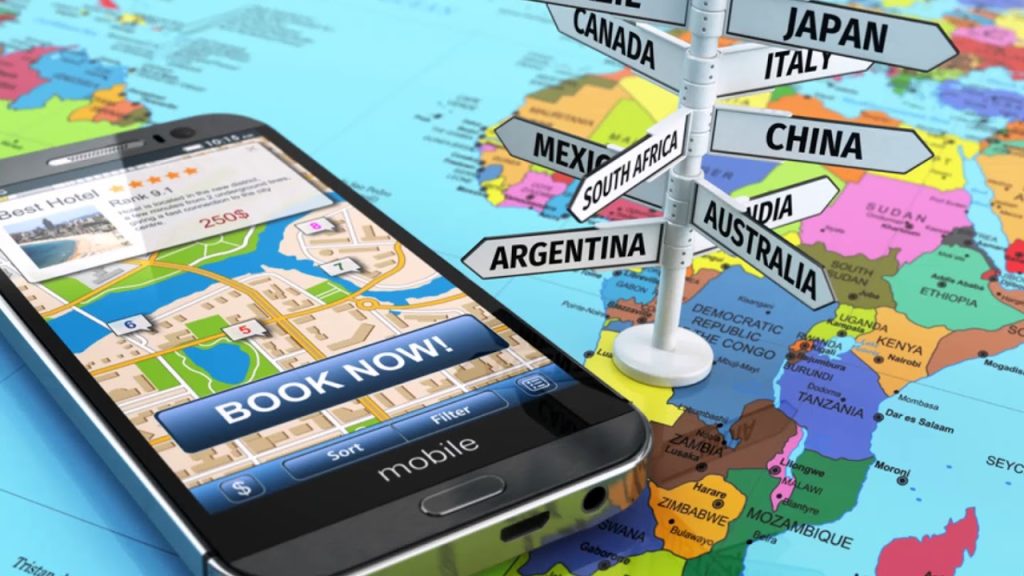
Digital platforms can also create opportunities for lesser-known destinations.
A small tourism business may previously have depended heavily on local visitors or traditional travel agencies.
Today, it can potentially reach travelers through websites, social media, online booking platforms, maps, travel applications, and digital marketplaces.
India’s recent National Digital Tourism Stack initiative is one example of this broader direction. The initiative aims to create shared digital infrastructure connecting tourism providers and making experiences more discoverable across digital platforms.
This can help local businesses, guides, homestays, attractions, and experience providers participate more effectively in the digital travel economy.
The Future of Travel Will Be More Connected
Travel technology is moving toward an environment where different parts of the journey work together.
Discovery, booking, payment, accommodation, transportation, activities, communication, and customer support can increasingly become connected experiences.
AI assistants may help travelers plan trips. Cloud platforms can connect business operations. IoT can connect physical environments. Mobile applications can bring services together. Data can help businesses understand customer needs.
But there is one thing that should not be forgotten.
Travel is still about people.
Technology can recommend a destination, but people experience it.
Technology can process a booking, but hospitality comes from human interaction.
Technology can suggest a restaurant, but the memory comes from the experience itself.
That human element will remain important even as digital tools become more sophisticated.
What Travel & Leisure Businesses Should Focus On
Businesses looking to improve their digital presence do not need to change everything at once.
A practical starting point is to examine the complete customer journey.
Ask:
- Is the website easy to use?
- Can customers find information quickly?
- Is the booking process simple?
- Are payment systems secure?
- Is connectivity reliable?
- Are customer records protected?
- Can employees access the systems they need?
- Are backups available?
- Is the business prepared for technical disruptions?
- Can digital tools improve the customer experience?
These questions can reveal where technology can make a real difference.
Final Thoughts
The Travel & Leisure industry is entering a more connected digital era.
AI is changing how people discover and plan trips. Mobile technology is putting travel services in people’s hands. Cloud computing is connecting business operations. IoT is creating smarter environments. Digital payments are making transactions easier. And reliable networks are keeping everything connected.
But the purpose of all this technology should remain simple: make travel easier, safer, more personal, and more enjoyable.
The businesses that understand this will be better positioned to adapt as traveler expectations continue to change.
Technology may shape the journey, but the experience will always be what people remember.
How Sizaf Infocomm Can Help
A strong digital foundation can help Travel & Leisure organizations improve connectivity, network performance, IT infrastructure, cybersecurity, cloud access, and day-to-day technology operations.
SIZAF NET WITH TECH provides technology and connectivity solutions designed around different organizational requirements.
To discuss your technology needs, reach out to Sizaf Infocomm:
Malaysia: +60 146600012
USA: +1 516 880 9996