
Travel used to begin at the airport, railway station, or hotel.
Today, it often begins much earlier.
A traveller searches for a destination on a phone. They compare hotels, watch videos, check reviews, build an itinerary, book activities, and sometimes use AI to plan the entire trip.
By the time they arrive, technology may already be involved in almost every part of the journey.
That is changing the Travel & Leisure industry in a big way.
And in 2026, travellers are not simply looking for a destination. They are looking for an experience that feels easy, personal, connected, and trustworthy.
Research into 2026 travel trends shows that AI is increasingly influencing how people discover and plan trips, while travellers are also looking for more experience-driven and personalised journeys.
For travel businesses, this creates both an opportunity and a challenge.
The question is no longer whether technology belongs in tourism.
It is:
How can travel businesses use technology without making the experience feel less human?
The Traveller’s Journey Has Become Digital
Think about planning a holiday today.
You might start with a simple Google search.
Then you move to a hotel website.
You check social media.
You compare prices.
You read reviews.
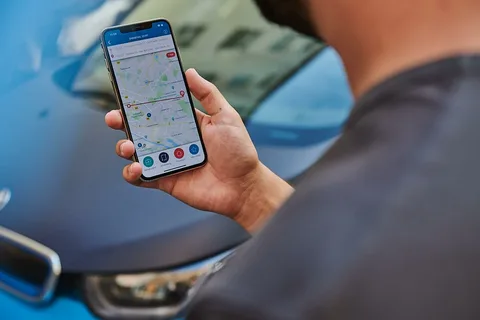
You look at maps.
You ask an AI tool for recommendations.
You book online.
You receive digital confirmations.
You use your smartphone during the trip.
Technology is present from inspiration to arrival.
This digital journey is becoming increasingly important for hotels, tourism companies, travel agencies, attractions, restaurants, and destination marketers.
In Malaysia, digital tourism is also becoming a major focus as the country promotes Visit Malaysia 2026 and works to create more seamless digital experiences for travellers. Malaysia’s Ministry of Digital has highlighted areas including AR and VR, digital experiences, immersive travel, and digitisation of cultural and historical assets.
AI Is Changing How People Plan Holidays
One of the biggest developments in travel technology is artificial intelligence.
Instead of spending hours searching through dozens of websites, travellers can increasingly ask AI tools for suggestions.
They might ask:
“Plan a four-day family trip to Kuala Lumpur.”
Or:
“Find me a relaxing beach holiday with local food and cultural experiences.”
AI can help organise information, suggest activities, compare options, and create personalised itineraries.
The trend is particularly relevant in Asia. A 2026 travel-trends report found that 59% of Malaysian travellers surveyed were likely to use AI when planning their next trip.
But there is an important detail here.
People may use AI to discover a travel option, but trust still matters when they decide where to book.
Recent Expedia research found that travellers are increasingly using AI for inspiration and planning while still preferring trusted travel brands for booking and support.
That means travel businesses need both:
AI visibility and human trust.
Personalisation Is Becoming the New Standard
Not every traveller wants the same experience.
A family may want activities suitable for children.
A couple may prefer restaurants, beaches, and romantic experiences.
A business traveller may care more about connectivity, location, and convenience.
A solo traveller may be looking for adventure.
Technology can help businesses understand these differences.
Customer data and analytics can help travel companies provide more relevant recommendations, offers, and communication.
Hotels can use technology to understand preferences.
Travel platforms can suggest relevant destinations.
Tourism organisations can promote experiences based on traveller interests.
But personalisation needs to be handled responsibly.
The more personal the experience becomes, the more important data privacy and security become.
A Fast Website Can Influence the Travel Experience

Imagine discovering a beautiful hotel online.
You click the website.
It takes several seconds to load.
You try to view the rooms.
The page freezes.
You attempt to make a booking.
The payment page doesn’t work properly.
What happens?
You probably leave.
This is why Web & Media Services and reliable digital infrastructure matter to the travel industry.
A travel website isn’t simply an online brochure.
It can be a booking platform, customer service channel, marketing tool, information centre, and first impression—all at once.
A slow or unreliable website can make a business appear less trustworthy, even if the actual hotel or travel experience is excellent.
Connectivity Has Become Part of the Travel Experience
For many travellers, internet connectivity is no longer a luxury.
They expect to stay connected.
They use their phones for maps, bookings, digital payments, communication, entertainment, translation, and social media.
Hotels and resorts therefore need to think about connectivity as part of the overall guest experience.
Reliable networks can support:
- Guest Wi-Fi
- Online bookings
- Digital check-in
- Smart room systems
- Staff communication
- Security systems
- Payment systems
- Connected devices
Behind the simple experience of connecting to Wi-Fi is an entire network infrastructure that needs to be reliable and properly managed.
Smart Hotels Are Becoming More Practical
The idea of a smart hotel once sounded futuristic.
Today, many of the technologies involved are becoming increasingly practical.
Guests may use digital check-in.
Rooms can include connected devices.
Hotel staff can use mobile systems to manage requests.
Energy systems can be monitored digitally.
Maintenance teams can receive alerts when equipment requires attention.
The purpose isn’t technology for the sake of technology.
The purpose is convenience.
If a guest can solve a simple problem without waiting in a queue, that’s useful.
If hotel staff can identify a maintenance issue before it affects guests, that’s useful too.
Good technology works quietly in the background.
Cybersecurity Is Critical for Travel Businesses
Travel companies handle valuable customer information.
Names.
Contact details.
Payment information.
Booking details.
Passport or identification information in some circumstances.
Travel preferences.
Loyalty information.
This makes the industry an attractive target for cybercriminals.
The travel sector also depends heavily on digital systems. Industry reporting continues to identify cybersecurity, system outages, phishing, ransomware, and data loss as important risks for travel businesses.
Travel businesses therefore need to think seriously about:
- Secure payment systems
- Account protection
- Data encryption
- Access controls
- Network security
- Employee awareness
- Backup and recovery
- Continuous monitoring
A great customer experience means little if customers don’t trust a company with their information.
Digital Payments Are Making Travel More Convenient
Digital payments are another major part of modern travel.
Travellers increasingly expect to book hotels, attractions, transportation, restaurants, and experiences without needing to carry large amounts of cash.
For businesses, digital payments can simplify transactions and improve convenience.
But payment technology also creates responsibility.
Businesses need secure systems, appropriate controls, reliable connectivity, and protection against fraud.
A payment system should be convenient for customers without becoming an easy target for attackers.
Travel Is Becoming More Experience-Driven
One interesting shift in tourism is the growing interest in experiences.
Travellers aren’t always satisfied with simply visiting a famous location.
They may want to experience local food.
Attend a concert.
Explore a cultural neighbourhood.
Visit a lesser-known destination.
Take part in outdoor activities.
Learn about local traditions.
Research on Asian travel trends for 2026 points toward experience-driven tourism, including culinary journeys, wellness, culture, events, and alternative destinations.
Technology can help businesses promote these experiences.
A small local attraction can reach international travellers through digital marketing.
A restaurant can attract visitors through online discovery.
A tourism board can use immersive content to showcase destinations before travellers arrive.
The opportunity isn’t limited to large tourism companies.
Virtual and Augmented Reality Can Inspire Travellers
AR and VR are also opening interesting possibilities.
Imagine exploring a destination virtually before deciding to visit.
Or pointing your phone at a historic building and seeing information about its history.
Or taking a virtual tour of a hotel room before booking.
These experiences can help travellers make more informed decisions.
Malaysia’s Ministry of Digital has specifically identified AR and VR as technologies that can contribute to destination promotion and digital tourism.
The technology doesn’t replace visiting a destination.
It creates another layer around the experience.
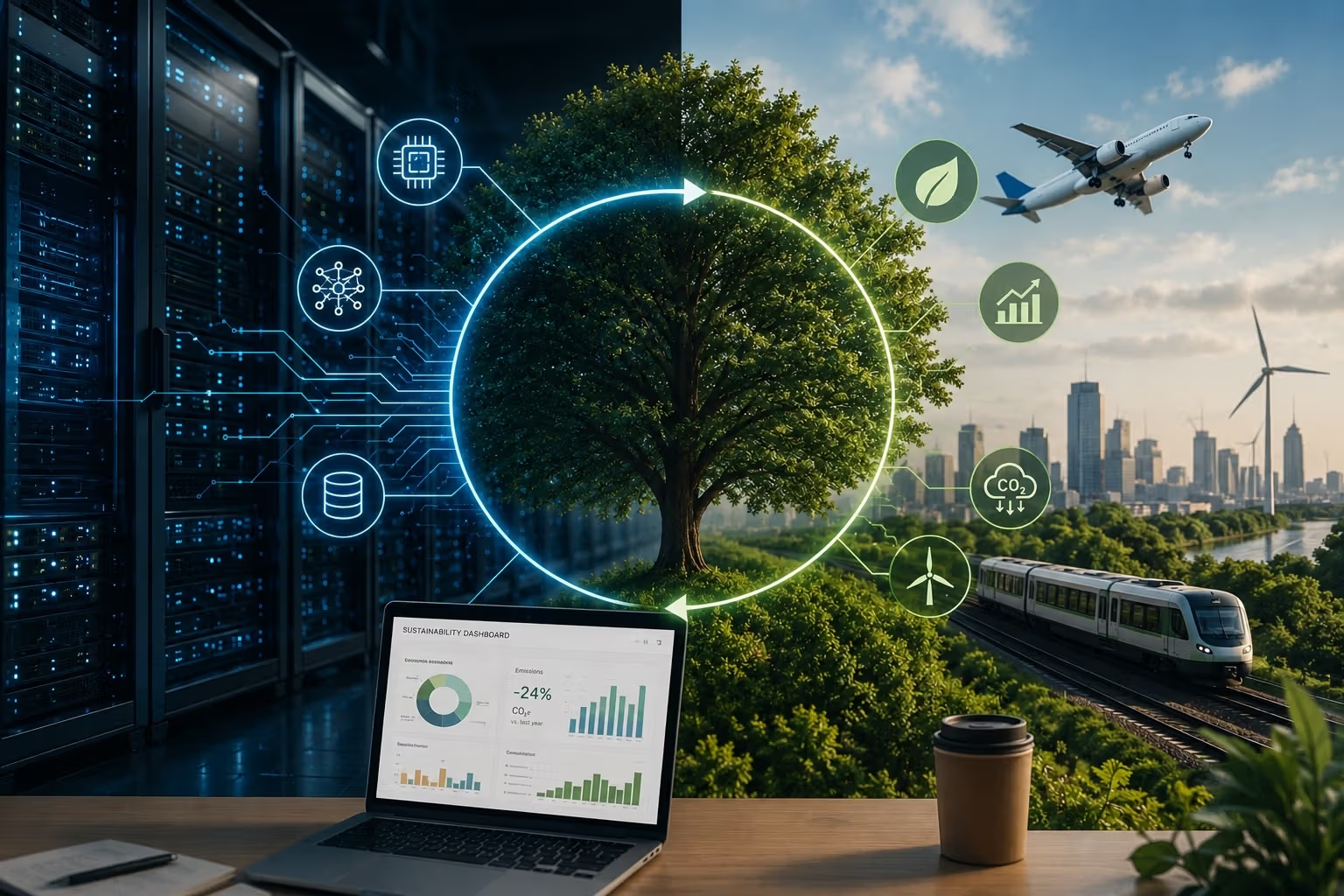
Sustainability and Technology Are Moving Together

Technology isn’t only changing convenience.
It can also support sustainability.
Hotels and resorts can use smart systems to monitor energy consumption.
Connected devices can help manage lighting and air conditioning.
Digital documents can reduce unnecessary paper use.
Data analytics can help businesses understand resource consumption.
Technology can therefore support more efficient operations.
Malaysia’s investment agency has also highlighted digitalisation and sustainability as important forces shaping the hospitality sector as the country prepares for Visit Malaysia 2026.
The important point is that sustainability shouldn’t simply be a marketing message.
Technology can help businesses measure and manage their environmental impact more practically.
The Human Side of Travel Still Matters
With all this talk about AI, automation, and digital platforms, it is easy to forget something important.
People travel because they want experiences.
They want to discover places.
Try new food.
Meet people.
Relax.
Spend time with family.
Create memories.
Technology should make these moments easier—not turn travel into a completely automated process.
A chatbot may answer a question quickly.
But sometimes a traveller simply wants to speak to a helpful person.
A digital check-in may save time.
But good hospitality still matters.
The best travel businesses will probably be those that know when technology should step in—and when a human should.
What Travel Businesses Should Focus on in 2026
Travel businesses don’t need to adopt every new technology.
Instead, they should focus on the areas that genuinely improve customer experience and business operations.
Start with the basics:
Reliable connectivity.
Fast and mobile-friendly websites.
Secure digital payments.
Strong cybersecurity.
Cloud-based collaboration where appropriate.
Customer-friendly digital services.
Useful data analytics.
Responsible use of AI.
Once these foundations are in place, businesses can explore more advanced technologies.
Technology should follow the customer journey—not the other way around.
Final Thoughts
Travel is becoming more digital, but that doesn’t mean it is becoming less human.
The technology behind modern tourism is changing how people discover destinations, plan holidays, book experiences, communicate with businesses, and navigate unfamiliar places.
AI is making planning easier.
Cloud systems are supporting operations.
Connected networks are improving communication.
Digital platforms are creating new ways to reach travellers.
Cybersecurity is protecting customer trust.
And immersive technologies are giving people new ways to experience destinations before they even arrive.
For travel and leisure businesses, the opportunity is clear.
Build technology that makes travel easier without taking away the human experience that makes travel memorable.
That is where technology becomes more than an operational tool.
It becomes part of the experience itself.
Get in Touch with us now
Malaysia: +60 146600012
USA: +1 516 880 9996
Website: https://sizaf.com