

Imagine someone discovers your business for the first time today.
They don’t walk into your office.
They don’t call your sales team.
They don’t ask a friend about you.
They simply search online.
Within seconds, they make a decision.
They look at your website, check your services, explore your content, and decide whether your business feels trustworthy.
That is the reality of doing business today.
A website is no longer something a company creates simply because “every business needs one.”
It has become one of the most important digital touchpoints between a business and its customers.
This is where Web & Media Services come into the picture.
From website development and digital content to performance, security, multimedia, and ongoing maintenance, modern web services can help businesses create a stronger digital presence and deliver better customer experiences.
Why a Business Website Matters More Than Ever
Your website may be working while your employees are sleeping.
It doesn’t close at 6 p.m.
It doesn’t take weekends off.
It can receive visitors from different cities and countries at any time.
That makes a website one of the few business assets that can continuously communicate with potential customers.
But simply having a website isn’t enough.
A modern Business Website should answer basic questions quickly:
What does the company do?
What services does it provide?
Who does it serve?
Why should customers trust it?
How can someone get in touch?
If visitors can’t find these answers easily, they may leave.
Web Design Is About More Than Appearance
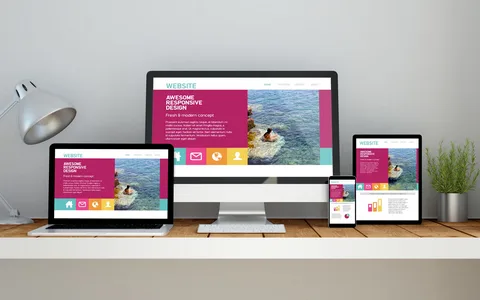
When people hear “web design,” they often think about colours, images, fonts, and layouts.
Those things matter.
But good web design goes much deeper.
A useful website needs to be easy to navigate.
Visitors shouldn’t have to hunt for important information.
The pages should work properly on mobile devices.
Buttons should be easy to find.
Content should be readable.
Forms should be simple.
Images shouldn’t slow the website down unnecessarily.
The best websites don’t make visitors think too much.
They simply guide them naturally from one section to the next.
Mobile Experience Has Become Essential
Think about how often you use your phone to search for something.
A restaurant.
A service provider.
A product.
A hotel.
A business.
Your customers are doing the same thing.
If your website looks great on a desktop but is difficult to use on a smartphone, you’re creating a problem for a large part of your audience.
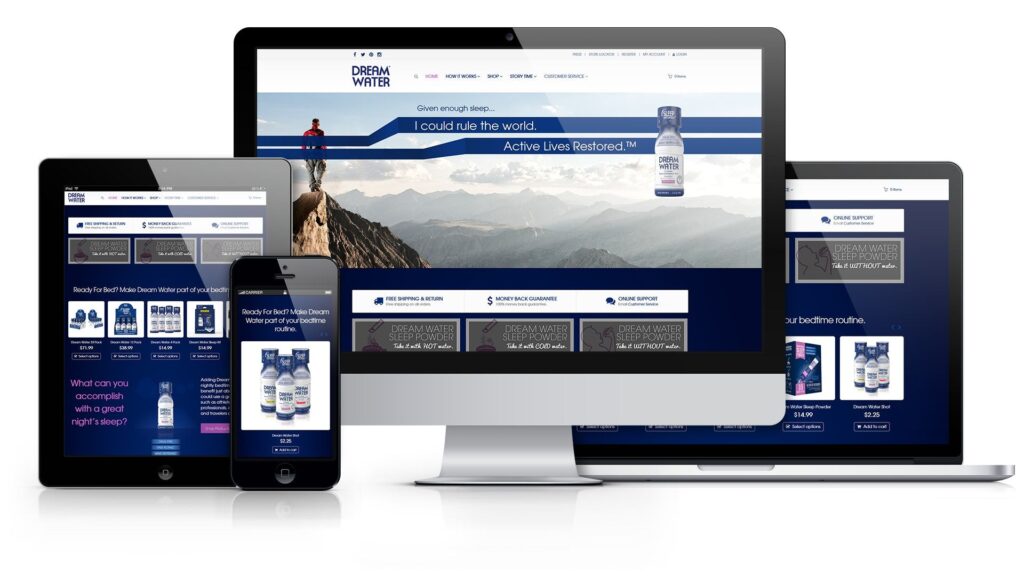
A modern website should adapt to different screen sizes.
This is known as responsive web design.
It allows the website layout to adjust depending on the device being used.
For businesses, that means customers can browse services, read information, submit enquiries, or make decisions whether they’re using a phone, tablet, or computer.
Website Speed Can Influence Customer Behaviour
Here’s a simple situation.
You click on a website.
It starts loading.
You wait.
And wait.
After a few seconds, you close it.
That’s how quickly a potential customer can disappear.
Website performance matters because people are busy.
They expect pages to load quickly and interactions to work smoothly.
Poor performance can affect the user experience and may also hurt search visibility.
That means businesses need to think about more than just creating attractive pages.
They need to think about what happens after someone clicks.
Fast, reliable, and accessible websites create a better digital experience.
Good Content Gives Your Website a Voice
A website can have a beautiful design and still fail to connect with visitors.
Why?
The content doesn’t speak to them.
Modern website content should focus on the customer’s questions and problems.
Instead of simply saying:
“We provide innovative solutions.”
Explain what you actually solve.
Instead of:
“We are industry leaders.”
Show visitors what makes your service useful.
Clear content helps customers understand what your business offers without making them work for the information.
This is particularly important for service-based businesses where customers need to understand the value before making contact.
SEO Helps People Find Your Website
A website doesn’t provide much value if nobody can find it.
That’s where Search Engine Optimization (SEO) comes in.
SEO helps businesses improve their visibility when people search for relevant products, services, questions, or solutions.
Effective SEO involves much more than repeating keywords.
It can include:
- Helpful content
- Relevant keywords
- Search-friendly page structures
- Clear headings
- Internal linking
- Mobile usability
- Website performance
- Technical optimization
- Quality backlinks
- Search intent
The goal is simple:
Create a website that is useful to people and understandable to search engines.
Multimedia Is Making Websites More Engaging
People don’t consume information in only one format anymore.
Some prefer articles.
Others prefer videos.
Some like infographics.
Others respond better to images, diagrams, or interactive content.
This is why Digital Media Services can add another dimension to a website.
A short video can explain a complex service.
An infographic can simplify technical information.
A customer story can build credibility.
An animation can demonstrate how a product works.
The important thing is to use media with a purpose.
Adding a video just because you can doesn’t necessarily improve the website.
The content should help visitors understand something or make a decision.
Web Security Should Never Be an Afterthought
Your website can represent your brand, collect enquiries, connect with customers, and sometimes process sensitive information.
That makes security important.
Businesses should consider measures such as:
- Secure hosting
- SSL/TLS encryption
- Strong administrator passwords
- Multi-factor authentication
- Regular software updates
- Secure backups
- Access controls
- Security monitoring
Cybersecurity isn’t only about preventing attacks.
It is also about protecting customer trust.
If customers don’t feel comfortable using your website, they may hesitate to do business with you.
Cloud Technology Supports Modern Web Services
Cloud computing has changed how websites and digital services are delivered.
Instead of relying entirely on traditional physical infrastructure, businesses can use cloud environments for hosting, storage, applications, backups, and collaboration.
Cloud technology can provide flexibility as businesses grow.
For example, a company may start with a relatively simple website and later add customer portals, online services, databases, or other digital features.
A scalable technology environment can make these changes easier to manage.
Websites Are Becoming More Interactive
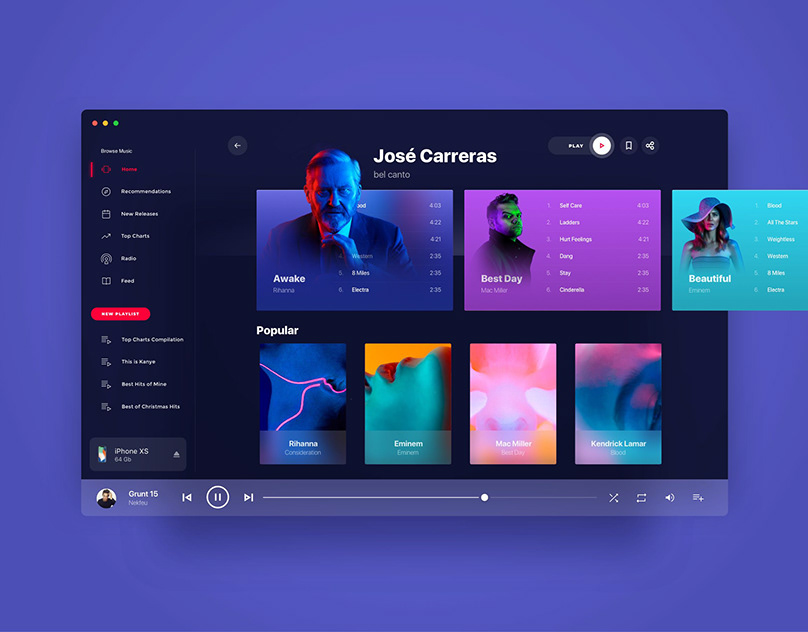
The traditional website was mostly a collection of pages.
Today, websites can do much more.
Customers can:
- Book appointments
- Submit enquiries
- Request quotations
- Chat with support
- Track orders
- Make payments
- Download documents
- Compare services
- Create accounts
This means a website can become part of the actual business operation.
It isn’t simply marketing anymore.
It can become a digital service platform.
AI Is Changing Website Experiences
Artificial intelligence is also finding its way into modern websites.
Businesses can use AI-powered tools for customer support, content assistance, search, recommendations, and other applications.
For example, an intelligent website assistant could help a visitor find the right service without requiring them to search through every page.
AI can also help businesses understand customer behaviour and identify patterns in website interactions.
However, businesses should use AI thoughtfully.
Automation should make the experience easier—not create unnecessary barriers between customers and real people.
Sometimes customers want an instant answer.
Other times, they want to speak to someone.
A good digital experience should provide both options where appropriate.
Website Analytics Help Businesses Understand Visitors
One of the advantages of digital platforms is that businesses can learn from customer interactions.
Website analytics can help answer questions such as:
Which pages receive the most visits?
Where are visitors coming from?
Which content attracts attention?
Where do visitors leave?
Which pages generate enquiries?
What devices are customers using?
These insights can help businesses improve their websites over time.
Instead of guessing what customers want, businesses can use actual behaviour to guide improvements.
Web Technology Supports Remote and Global Business
A modern website doesn’t care where your office is located.
A potential customer could visit from Kuala Lumpur, Singapore, London, New York, or somewhere else entirely.
This creates opportunities for businesses that want to reach wider markets.
Cloud systems, digital communication, online forms, secure platforms, and reliable web infrastructure make it easier for businesses to operate across locations.
For companies serving international customers, a website can effectively become a global front door.
What Businesses Should Look for in Web & Media Services
Businesses shouldn’t choose web services based only on appearance or price.
A better approach is to consider the complete digital experience.
Look for:
Performance
The website should load efficiently and work reliably.
Security
Customer information and website systems should be properly protected.
Scalability
The technology should be able to grow with the business.
SEO Readiness
The website should provide a strong technical and content foundation for search visibility.
Mobile Experience
The site should work smoothly across different devices.
Content Quality
Information should be clear, useful, and written for real customers.
Ongoing Support
A website isn’t truly finished when it goes live.
It needs maintenance, updates, monitoring, and improvements.
The Future of Web & Media Services
Web technology will continue to evolve.
AI will become more integrated.
Websites will become more personalised.
Video and interactive media will continue to grow.
Cloud platforms will support increasingly sophisticated digital experiences.
Cybersecurity will become even more important.
But one thing won’t change.
People will still want websites that are fast, useful, easy to understand, secure, and trustworthy.
The technology behind the website may become more advanced.
The customer expectation is actually quite simple:
“Help me find what I need without wasting my time.”
Businesses that understand this will be in a stronger position to build lasting digital relationships.
Final Thoughts
Your website is often the first conversation a customer has with your business.
It speaks before your sales team does.
It creates an impression before a meeting happens.
It answers questions before someone picks up the phone.
And it can continue working long after your office closes.
That is why modern Web & Media Services are about much more than building attractive websites.
They are about creating digital experiences that support customers and business goals.
A strong website combines design, content, performance, security, connectivity, technology, and ongoing improvement.
When all of these pieces work together, your website stops being just another online asset.
It becomes a working part of your business.
How Sizaf Infocomm Can Help
Sizaf Infocomm provides technology-focused solutions designed to help businesses strengthen their digital presence and infrastructure.
From Web & Media Services and Network Services to Tech Infrastructure Services, Managed IT Services, Cloud Computing, and Business Connectivity, the right combination of technology can help businesses build reliable digital operations.
Reach out to Sizaf Infocomm now
Malaysia: +60 146600012
USA: +1 516 880 9996
Website: https://sizaf.com/