

Modern logistics is amazing if you’ve ever placed an online order and been amazed at how fast a package arrived at your door. The intricate web of trucks, ships, warehouses, and digital systems that operate in perfect harmony is the backbone of every delivery.
Transport and logistics in Malaysia encompass more than just getting goods from point A to point B. E-commerce, oil and gas, electronics, agriculture, and pharmaceuticals are just a few of the industries that rely on them for their energy. As a major ASEAN trading hub and a strategically located country in Southeast Asia, Malaysia has seen a sharp increase in demand for effective logistics solutions.
Here’s the big question, though: how is technology affecting Malaysia’s goods movement?
Let’s dive into the innovations reshaping transport and logistics across the country.
The Development of Malaysian Smart Logistics

With a lot of paperwork, phone calls, and delayed updates, traditional logistics mainly relied on manual processes. That model, however, is no longer adequate in 2025. Eco-friendly procedures, quicker deliveries, and real-time visibility are expectations shared by businesses and consumers.
This is where astute logistics are important. Cloud systems, IoT sensors, GPS tracking, and analytics driven by AI allow logistics companies to:
- Keep track of shipments instantly.
- Delivery routes should be optimized to save money and fuel.
- Recognize demand and avoid shortages.
- Utilize automation to increase warehouse productivity.
This is more than just a catchphrase; it’s actually happening. The main ports in Malaysia and 3PL companies, for instance, have already started implementing smart freight solutions that combine information from trucks, warehouses, and ships onto a single platform.
Digitalization of the Supply Chain
Supply chain digitization is one of the most significant changes. Digital logistics platforms are replacing antiquated spreadsheets and phone conversations in businesses.
Imagine that you can check the status of your cargo instantly on your phone using digital freight platforms, rather than having to wait days to find out where it is.
Many companies in Malaysia are currently using:
- Freight forwarding applications that make scheduling and reservations easier.
- Documentation powered by blockchain technology for quicker, more secure customs clearance.
- AI-powered demand forecasting to cut down on overstocking and waste.
Customers in retail and e-commerce expect same-day or next-day delivery, so this change is particularly important.
Sustainability: Logistics’ Green Side

Sustainability is another trend that is unavoidable. Malaysia’s logistics industry is facing pressure to become more environmentally friendly as climate change becomes a more urgent issue.
This is what’s taking place:
- Urban delivery fleets are starting to include electric bikes and trucks.
- Software for route optimization lowers carbon emissions.
- Consolidation techniques and eco-packaging reduce waste.
- Businesses are spending money on solar-powered storage facilities.
This is beneficial for business as well as the environment. Green logistics helps businesses meet Malaysia’s Net Zero 2050 targets and draws in eco-aware clients.
Problems in the Transportation and Logistics Industry
Naturally, no change is without difficulties. The logistics sector in Malaysia continues to face:
- Infrastructure Gaps: Rural areas continue to face challenges with road access and high delivery costs, despite Kuala Lumpur and major ports having excellent connections.
- Talent Shortage: There is a great need for qualified personnel in supply chain management and logistics technology.
- Growing Expenses Costs are still rising due to fuel prices, international shipping rates, and compliance requirements.
- Cybersecurity Risks: As more logistics processes move online, data security becomes essential.
The good news? These difficulties also offer chances for investment and innovation.
Malaysian Logistics’ Future: What Comes Next?
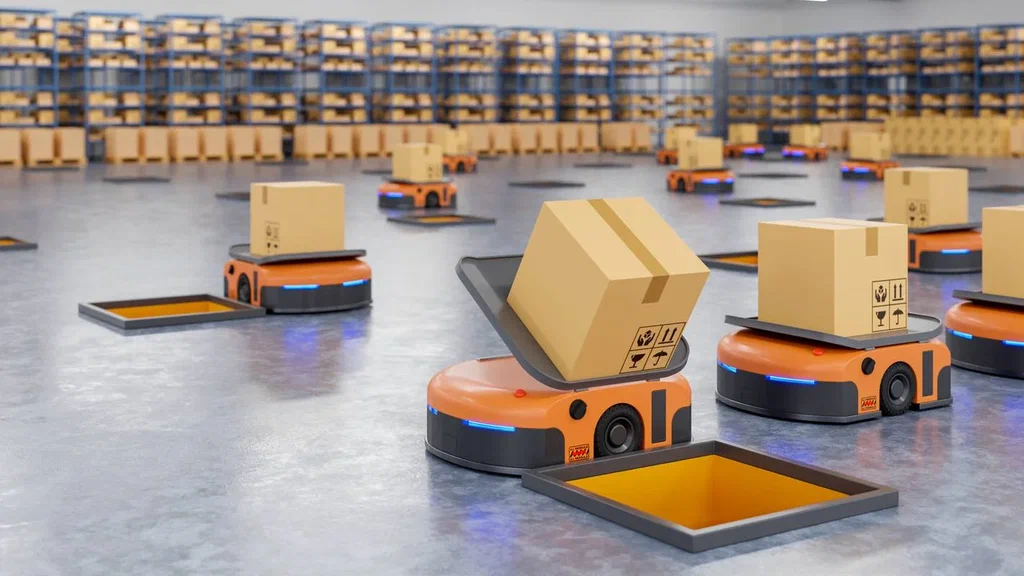
Malaysian logistics and transportation will become even more digital, interconnected, and sustainable in the future. Among the fascinating future trends are:
- drones and self-driving cars for last-mile deliveries.
- logistics hubs with AI capabilities that can handle shipments more quickly than before.
- Turnaround times are reduced by hyperconnected smart ports.
- ASEAN-focused cross-border e-commerce logistics optimization.
This means one thing for businesses: either adjust or risk falling behind.
The Significance of This for Malaysian Businesses
Logistics is more than just a back-office task if you’re managing a business, whether it’s a big manufacturing company or a tiny e-commerce site. It’s a benefit over competitors.
Here’s why:
- Faster delivery results in more satisfied clients.
- Reduced expenses result from more intelligent logistics.
- A more reputable brand results from sustainable practices.
Businesses in Malaysia can maintain their lead in this quickly changing market by partnering with innovative providers and investing in digital logistics solutions.
Conclusion: The Path Ahead
Moving goods is no longer the only aspect of logistics and transportation in Malaysia. Their goal is to create supply chains that are more intelligent, quicker, and environmentally friendly in order to sustain the expanding digital economy.
With the emergence of digital supply chains, smart logistics, and green initiatives, Malaysia is well on its way to becoming Southeast Asia’s logistics hub.
Investing in sustainability, embracing logistics technology, and getting ready for a digital-first future are the clear messages for businesses.
Therefore, keep in mind that same-day delivery is more than just a convenience the next time you receive it. It demonstrates how Malaysia is redefining logistics and transportation.
📞 Want to optimize your logistics strategy? Get in touch with Sizaf Infocomm today:
- Malaysia: +60 146600012
- USA: +1 516 880 9996
👉 Which do you believe to be the main issues facing Malaysia’s logistics sector, sustainability, cost, or speed? Leave a comment with your thoughts!