
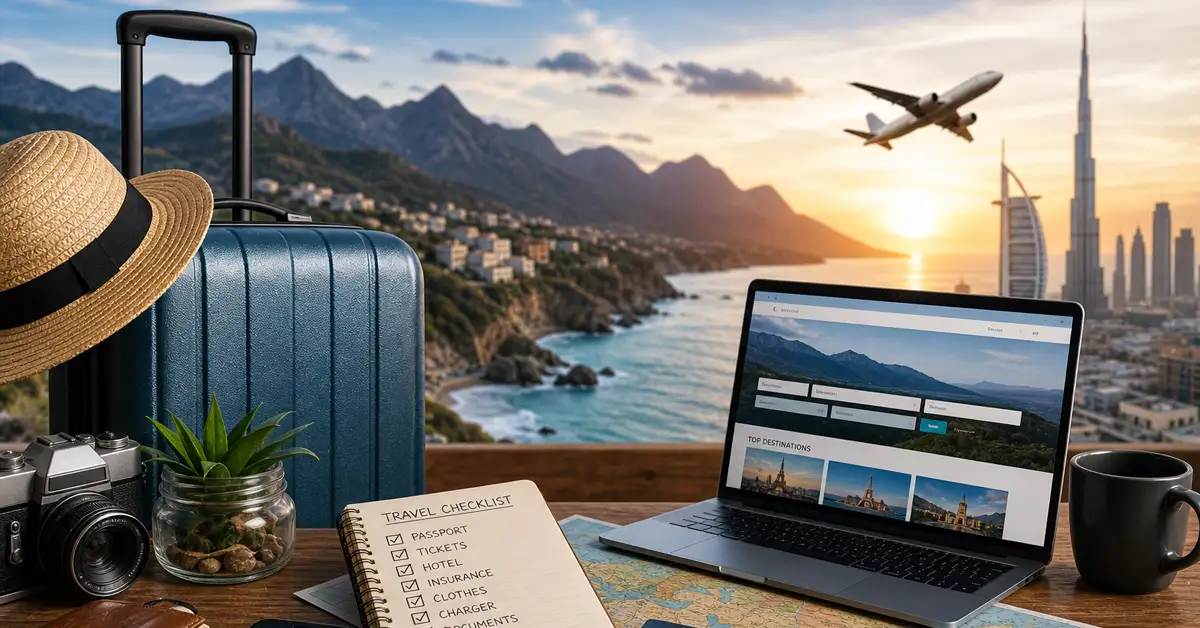
Introduction: Travel Is Easier When You Know What to Expect
Planning a trip sounds exciting until you actually start doing it.
You open one website to compare hotels, another to check flight prices, and a few more to look at restaurants and places to visit. Then come the questions. Is the hotel close to the attractions? Will the transport be convenient? Is the destination suitable for your family? And are there any extra costs you have not considered?
Before you know it, planning a short holiday has turned into a project of its own.
This is where technology has made a noticeable difference.
Today, travellers can research destinations, compare accommodation, check routes, make bookings, and discover local attractions using their phones or computers. Information that once required several phone calls or a visit to a travel agency is often available within minutes.
But travel technology is about more than booking a cheap flight or finding a good hotel. It also helps people make informed decisions, manage unexpected changes, stay connected with family, and feel more prepared when visiting unfamiliar places.
For travellers exploring Malaysia or planning trips abroad, having access to reliable information and connectivity can make the whole experience less stressful.
Of course, technology cannot guarantee perfect weather, prevent every delay, or make every destination suitable for every traveller. What it can do is remove some of the uncertainty, leaving people with more time to enjoy the journey.
How Technology Has Changed Travel Planning
Think about how people planned holidays before online booking became common. They often depended on travel agents, printed brochures, guidebooks, and recommendations from friends or relatives.
Those methods still have their place, but travellers now have far more ways to research a trip before spending their money.
Someone planning a weekend in Penang, for example, can compare accommodation prices, explore food destinations, check driving routes, and read recent visitor reviews without leaving home.
A family planning a longer holiday can research attractions suitable for children, check accessibility information, and estimate transport costs before deciding where to go.
This makes it easier to compare options instead of choosing the first one that looks attractive.
However, more information does not always mean better decisions. Reviews can be outdated, photographs may not reflect current conditions, and promotional offers may leave out additional charges.
It is worth checking details through reliable sources, reading recent reviews, and reviewing cancellation policies before confirming a booking.
The best use of travel technology is not to make every decision automatically. It is to help you understand your options so you can choose what works for your needs and budget.
Finding Better Travel Options Without Overspending

One of the biggest concerns when planning a holiday is cost.
Flights and hotels are only part of the expense. Travellers also need to think about meals, local transport, attraction tickets, travel insurance, and unexpected purchases.
A trip that looks affordable at first can become expensive once everything is added together.
Digital travel platforms make it easier to compare prices and explore alternatives. Travellers can look at different travel dates, compare accommodation locations, and check whether public transport might be more practical than renting a car.
For example, staying slightly outside a busy tourist area might reduce accommodation costs. However, if reaching the main attractions requires expensive taxi journeys every day, the savings may disappear.
This is why comparing the overall cost matters more than looking at one price in isolation.
Technology can also help travellers keep track of their spending. A simple budgeting app or spreadsheet can be enough to record bookings, estimate daily expenses, and monitor how much money remains.
For families, this can be particularly useful because several small expenses can add up quickly.
A little planning before departure can help avoid difficult financial decisions halfway through the holiday.
Why Internet Connectivity Matters When You’re Travelling
Most people do not think much about internet connectivity until they need it.
You arrive at an unfamiliar airport and need directions to your hotel. You are trying to find a restaurant, confirm a reservation, or contact someone waiting for you. Suddenly, your mobile connection becomes one of the most important things you have.
Reliable internet access can help travellers navigate unfamiliar streets, check transport updates, translate basic phrases, access booking details, and communicate with friends or family.
It can also be useful when travel plans change unexpectedly. If a train is cancelled or a flight is delayed, having internet access makes it easier to check updates and explore alternative arrangements.
For people travelling internationally, it is sensible to review roaming charges, local SIM options, and available eSIM plans before leaving home. Public Wi-Fi can be convenient, but travellers should avoid accessing sensitive accounts through untrusted networks unless they use appropriate security protections.
It is also wise to save essential information offline. Hotel addresses, booking confirmations, maps, and emergency contact details are worth keeping accessible even when the internet is unavailable.
Connectivity will not solve every travel problem, but being prepared can prevent a small inconvenience from becoming a much bigger headache.
Making Travel Safer With Digital Tools
Safety is something every traveller should think about, whether they are travelling alone, with friends, or with their family.
Visiting a new place is exciting, but unfamiliar surroundings can make simple situations more challenging. You may not know which route is best, how local transport works, or where to find assistance if something goes wrong.
Digital tools can help travellers prepare.
Mapping applications make it easier to understand routes and identify nearby services. Official travel advisories can provide information about local conditions and restrictions. Digital copies of important documents can also be useful if physical copies are lost, provided those copies are stored securely.
Families travelling together may agree to share their itinerary or check in with one another at certain times. This can offer reassurance without requiring everyone to remain in constant contact.
Still, it is important not to rely entirely on a phone. Batteries run out, devices get lost, and mobile coverage can be unreliable in remote areas.
Before travelling, save emergency numbers, keep important documents secure, and understand how to contact local emergency services. Consider carrying a power bank and keeping a small amount of cash where appropriate.
Travellers should also be careful about sharing their live location or detailed holiday plans publicly. Posting that nobody is home can create unnecessary privacy and security risks.
Technology is most useful when it supports sensible preparation rather than replacing it.
How Digital Payments Make Travelling More Convenient
Carrying cash used to be a major part of preparing for a trip. While cash remains useful in many destinations, digital payments have made everyday transactions more convenient for many travellers.
Depending on the destination and merchant, people may be able to pay for meals, transport, shopping, and accommodation using contactless cards or mobile payment services.
This can reduce the need to carry large amounts of cash and make it easier to review spending afterwards.
However, payment options vary by country and business. A small local shop may accept only cash, while another merchant may support a particular payment app that visitors cannot access.
Travellers should check foreign transaction fees, currency conversion rates, and card acceptance before leaving home. It is also helpful to carry a backup payment method in case a card is declined or a digital service is unavailable.
Basic security precautions matter, too. Enable transaction alerts where available, protect banking applications with strong authentication, and contact your bank promptly if a payment card goes missing.
Convenience is valuable, but financial security should remain part of the plan.
Personalised Travel: Choosing Experiences That Suit You

Not everyone travels for the same reason.
Some people want a quiet beach where they can switch off from work. Others enjoy exploring museums, trying local food, hiking through nature, or discovering unfamiliar cities. Families may prioritise activities that children can enjoy, while business travellers may need accommodation close to meeting venues.
Travel platforms can help people discover options that match their interests.
Search filters make it easier to compare accommodation by price, location, facilities, and accessibility. Recommendation tools can suggest attractions based on previous searches or stated preferences. Review platforms can also provide useful insights into what visitors liked or disliked.
For example, someone visiting Kuala Lumpur for a short break might prefer accommodation near public transport and food destinations. A traveller heading to a quieter part of Malaysia may care more about nearby nature activities, road conditions, and available facilities.
These details help people plan a trip around their own priorities rather than following a generic itinerary.
However, recommendations should be treated as a starting point. Popularity does not necessarily mean a place will suit your needs, and sponsored listings may not always represent the best option.
A good trip is not the one with the most activities packed into every day. It is the one that gives you the experience you actually wanted.
The Role of Technology in Hotels and Leisure Businesses
Technology does not only affect travellers. Hotels, tour operators, restaurants, and other leisure businesses also depend on digital systems to manage their services.
Online booking platforms help businesses receive reservations and communicate with customers. Digital check-in systems can reduce waiting times, while customer management tools help staff organise requests and respond more efficiently.
Smaller businesses can also benefit from maintaining accurate online information. Updated opening hours, clear contact details, recent photographs, and straightforward booking instructions make it easier for potential customers to decide whether to visit.
Imagine a family searching online for a restaurant after arriving in a new city. If the restaurant’s opening hours are incorrect or its booking information is confusing, the family may simply choose somewhere else.
A small digital improvement can make a real difference to the customer experience.
At the same time, businesses must look after the information customers share. Booking records, payment details, and personal contact information should be handled responsibly and protected with appropriate security measures.
Reliable technology supports better service, but the human side of hospitality remains important. A friendly welcome, honest communication, and staff who are willing to help still matter enormously.
How Artificial Intelligence Is Influencing Travel
Artificial intelligence is gradually becoming part of travel planning. Some tools can help users build itineraries, compare possible activities, organise travel information, or find ideas based on their interests.
Imagine telling a travel assistant that you have three days in a city, prefer public transport, enjoy local food, and want to keep spending within a particular budget. It may suggest a starting itinerary that you can adjust to suit your plans.
This can save time when researching an unfamiliar destination.
AI can also help travel businesses respond to routine customer questions, organise information, and support certain administrative tasks.
However, its suggestions are not always accurate. A recommended attraction may be closed, a restaurant’s details may have changed, or the suggested route may not account for current conditions.
Always verify important details with official sources or the service provider before making decisions.
Travellers should also be careful when sharing personal details, passport information, or payment data with AI tools that have not been approved for handling such information.
AI can be a useful planning companion, but it should not make important travel decisions without your judgement.
Sustainable Travel: Can Technology Help Us Make Better Choices?
Many travellers want to enjoy new destinations without contributing unnecessarily to environmental damage or putting pressure on local communities.
Technology can help people explore their options before deciding how to travel.
Online information makes it easier to compare public transport routes, identify walking-friendly areas, find locally owned businesses, and learn about environmental guidelines at particular destinations.
Digital tickets and electronic documents can reduce the need for some printed materials. Travel planning tools can also help visitors organise activities by location, potentially avoiding unnecessary journeys between distant attractions.
For example, someone visiting a city could group nearby museums, restaurants, and cultural sites into one day instead of repeatedly crossing town.
Of course, sustainability is not as simple as choosing a particular app or booking platform. The environmental impact of a journey depends on many factors, including transport, accommodation, energy use, and local conditions.
Travellers should also respect local customs, follow conservation rules, and avoid activities that harm wildlife or damage natural habitats.
Small, thoughtful choices can help make a holiday more considerate of the places people visit.
How SIZAF NET WITH TECH Connects With the Travel and Leisure Industry
A good travel experience often depends on things travellers rarely notice when everything is working properly.
Hotel booking systems need connectivity. Hospitality staff need to communicate with one another. Leisure businesses may rely on online reservations, digital payments, customer enquiries, and connected devices to manage their daily operations.
When these systems work reliably, customers can enjoy a smoother experience. When they fail, bookings may be delayed, staff may struggle to access information, and customers may have to wait for assistance.
SIZAF NET WITH TECH provides technology services across areas such as network services, technology infrastructure, and managed IT services. These areas can be relevant to travel and leisure businesses that need dependable connectivity and suitable technology support.
For example, a hospitality business reviewing its IT setup may need to assess wireless network coverage, connectivity for staff systems, device management, and the support available when technical problems arise.
The right solution depends on the size of the business, its existing infrastructure, customer requirements, and budget.
Technology should help hospitality teams serve their customers more effectively, not create unnecessary complexity. Reliable infrastructure, appropriate security, and practical IT planning can all contribute to a better-run operation.
SIZAF NET WITH TECH aims to help customers explore technology solutions based on their individual needs and commercial preferences.
What Does the Future of Travel Look Like?
Travel will continue to change as digital services become more connected and travellers expect information to be available quickly.
Booking platforms may become more personalised. AI tools may make itinerary planning easier. Hotels and leisure businesses may introduce more convenient digital services, while travellers will continue to use mobile devices to navigate destinations and manage their bookings.
But the future of travel should not be measured only by how much technology is involved.
People still travel to experience something different, spend time with loved ones, discover new cultures, and take a break from everyday routines.
A digital check-in may save time, but a warm welcome still matters. A navigation application may help you find a destination, but the unexpected café you discover along the way may become your favourite memory.
The most useful technology will be the kind that removes unnecessary stress without taking away the experience of travelling itself.
Conclusion: Let Technology Handle the Planning So You Can Enjoy the Journey
Travel planning will probably never be completely free of surprises. Flights can be delayed, weather can change, and sometimes the best parts of a holiday are the moments nobody planned.
Still, technology can make many parts of travelling easier.
It helps people compare costs, find suitable accommodation, navigate unfamiliar places, communicate with family, and make more informed decisions. For travel and leisure businesses, reliable digital systems can support bookings, customer service, and day-to-day operations.
The key is to use these tools thoughtfully. Check important information, protect personal details, keep backup plans, and choose services that genuinely meet your needs.
Whether you are planning a short weekend in Malaysia or a longer international holiday, a little preparation can make the experience more comfortable.
After all, the purpose of travelling is not to spend the entire trip staring at a screen. It is to enjoy the places you visit, the people you meet, and the memories you bring home.
Looking for reliable connectivity and IT solutions for your travel or leisure business?
Reach out to Sizaf Infocomm now
Malaysia: +60 146600012
USA: +1 516 880 9996