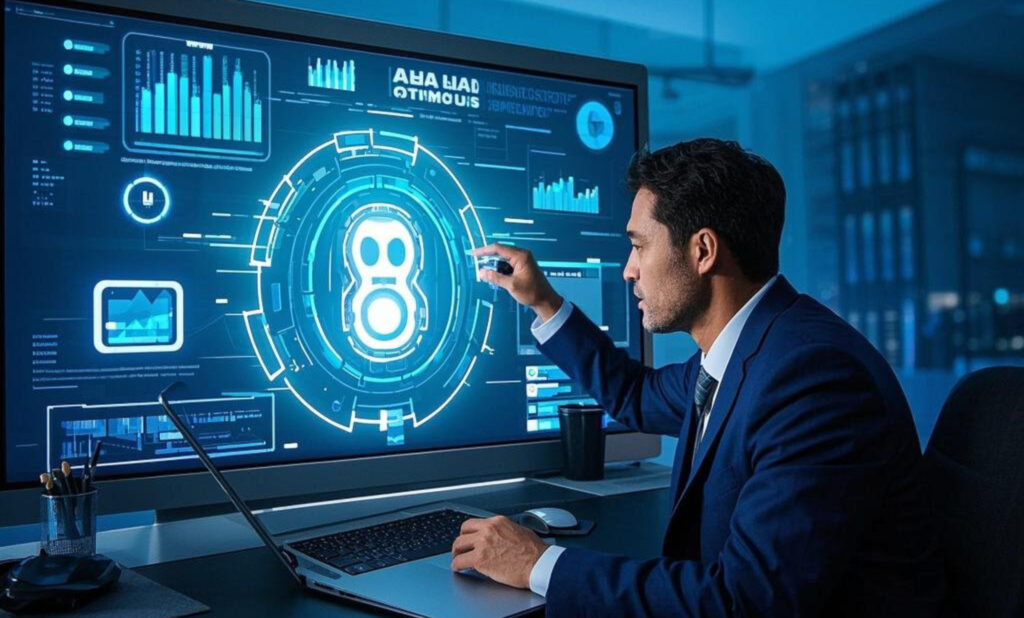
Technology has become so deeply connected to everyday business that we often stop noticing it.
An employee opens a laptop and expects everything to work.
A customer sends an enquiry through the website.
A team joins a video meeting.
Someone accesses a cloud application.
Another employee shares a file with a colleague in another location.
Nobody thinks about the systems making all of this possible.
Until something stops working.
Then, suddenly, technology becomes everyone’s problem.
A network goes down.
An application refuses to open.
A computer becomes infected.
A critical file disappears.
Employees start calling whoever they think might know how to fix it.
For many businesses, this reactive approach to IT can become expensive and stressful.
This is where Managed IT Services can make a significant difference.
Instead of waiting for technology problems to disrupt operations, businesses can take a more proactive approach to managing their IT environment.
What Are Managed IT Services?
In simple terms, Managed IT Services involve having technology professionals continuously manage, monitor, maintain, and support parts of a business’s IT environment.
Rather than calling for help only after something breaks, businesses can have ongoing support for areas such as:
- Network management
- IT infrastructure
- Cybersecurity
- Cloud services
- Data backup
- System monitoring
- Device management
- Technical support
The exact services depend on the business.
A small company may need help with networks, devices, security, and cloud applications.
A larger organization may require more extensive infrastructure management and monitoring.
The idea is straightforward:
Keep technology healthy before small problems become major disruptions.
Why Businesses Are Rethinking IT Management
There was a time when IT problems were relatively simple.
A computer stopped working.
Someone restarted it.
A printer refused to print.
Someone checked the cable.
Today, business technology is much more interconnected.
Companies may depend on cloud platforms, remote employees, online systems, digital payments, cybersecurity tools, connected devices, and multiple business applications.
A problem in one area can affect several others.
This complexity is one reason businesses are paying more attention to IT Management Services.
The question is no longer just:
“Who will fix our computer when it breaks?”
It’s becoming:
“Who is making sure our entire technology environment continues to work properly?”
Proactive IT Support Is Better Than Constant Firefighting
Imagine two businesses.
The first waits until something breaks.
The second monitors its systems and tries to identify problems before employees are affected.
Which one is likely to spend less time dealing with disruption?
Usually, the second.
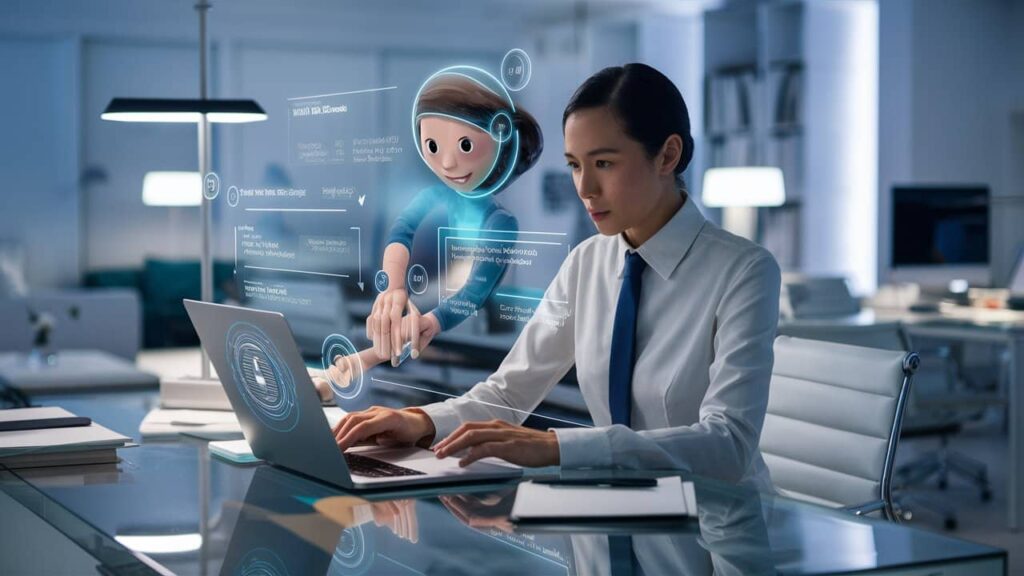
That’s the basic idea behind Proactive IT Support.
Instead of constantly reacting to emergencies, IT teams can monitor systems, identify warning signs, apply updates, review performance, and address potential problems early.
This doesn’t mean every problem can be prevented.
Technology can still fail.
But proactive management can reduce avoidable problems and improve the organization’s ability to respond when something does happen.
Cybersecurity Has Become an Everyday Business Requirement
Cybersecurity is no longer something businesses can think about only after an attack.
Companies store valuable information across computers, cloud platforms, email systems, mobile devices, and other connected services.
This creates a large digital environment that needs protection.
Managed IT Services can include ongoing security measures such as:
- Security monitoring
- Firewall management
- Device protection
- Access controls
- Software updates
- Backup management
- Threat detection
- Security assessments
The exact approach should depend on the business and its risk profile.
But one thing is clear:
Security needs continuous attention.
Installing one security product and forgetting about it isn’t enough.
Cloud Computing Has Changed IT Management
The move toward Cloud Computing has changed how businesses use technology.
Employees may access applications and data from different locations.
Teams can collaborate without being in the same office.
Businesses can scale certain resources without maintaining every physical system themselves.
But cloud technology also introduces new management requirements.
Businesses need to think about:
- User access
- Account security
- Data protection
- Connectivity
- Backup
- Permissions
- Application performance
Having cloud services doesn’t mean IT management disappears.
In many cases, it makes proper management even more important.
Remote Work Requires a Different IT Approach
Employees don’t always work from the same office anymore.
Some may work from home.
Others may travel.
Some teams may operate across multiple cities or countries.
This creates challenges for IT teams.
How do you support an employee who is hundreds of kilometres away?
How do you protect company information on a remote device?
How do employees securely access business applications?
How do you troubleshoot problems without physically touching the computer?
These are important questions for modern organizations.
Remote IT Support and secure remote-access solutions can help businesses maintain productivity while supporting a more flexible workforce.
Network Performance Affects Everything
A business may have excellent software and powerful computers.
But if the network is unreliable, employees will still struggle.
Slow connections can affect:
- Cloud applications
- Video conferencing
- File transfers
- Online systems
- Communication
- Customer service
- Remote access
This makes Network Management an important part of managed IT.
Monitoring network performance can help identify congestion, connectivity problems, unusual traffic, and other issues.
A reliable network isn’t just an IT benefit.
It directly supports productivity.
Data Backup Isn’t Optional
Here’s a question every business should be able to answer:
If an important file disappeared today, could you recover it?
If the answer isn’t clear, that’s a problem.
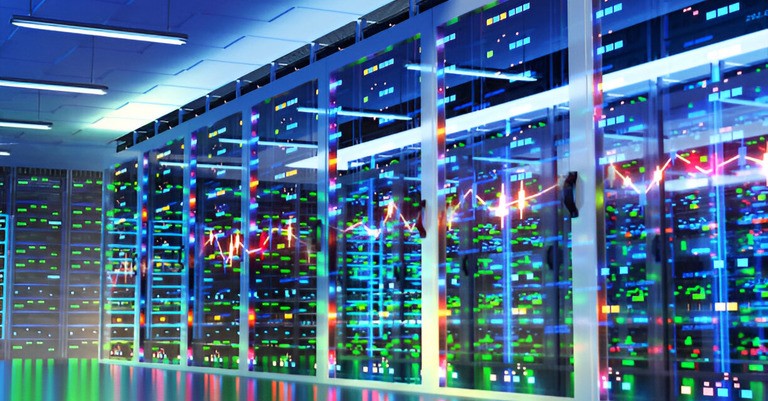
Businesses can lose data through accidental deletion, hardware failures, software issues, security incidents, or other unexpected events.
A proper Data Backup and Recovery strategy can help reduce the impact.
But backups should be tested.
A backup that exists but cannot be restored when needed doesn’t provide much comfort.
Good IT management therefore considers both:
How is our data backed up?
and
How quickly can we recover it?
Technology Monitoring Can Reveal Problems Early
Most technology problems don’t appear out of nowhere.
There are often warning signs.
A server begins running out of storage.
A network device starts behaving unusually.
A system becomes slower.
A security event appears.
A device stops receiving important updates.
Without monitoring, these signals can go unnoticed.
IT Monitoring provides visibility into the technology environment.
This allows IT teams to understand what’s happening instead of relying entirely on employees to report problems.
The goal is simple:
Know about the problem before the business feels the full impact.
Managed IT Can Help Businesses Control Costs
Technology expenses can be difficult to predict when everything is handled reactively.
One month might bring a hardware failure.
Another might involve emergency support.
Then there’s an unexpected security issue.
Managed IT can provide a more structured approach to technology spending.
Depending on the service model, businesses may gain:
- Predictable support costs
- Better technology planning
- Reduced emergency spending
- Access to specialized expertise
- More efficient infrastructure management
The real value isn’t simply spending less.
It’s getting more control over where technology money is going.
Small Businesses Can Benefit Too
There’s a common misconception that managed IT is only for large companies.
That’s not necessarily true.
Small businesses can actually have a lot to gain because they may not have a large internal IT department.
A small organization might have only a handful of employees but still depend heavily on technology.
They may use cloud accounting.
Online payments.
Customer databases.
Business email.
Cloud storage.
Remote collaboration.
Cybersecurity tools.
Managing all of this can become difficult without technical support.
Managed IT can provide access to expertise without requiring a business to build a large internal technology department.
AI Is Changing Managed IT Services

Artificial intelligence is also beginning to influence IT management.
AI-powered systems can help analyze large amounts of technical information, identify unusual behaviour, automate certain tasks, and assist with troubleshooting.
This doesn’t mean AI replaces IT professionals.
Instead, it can give IT teams additional tools to work more efficiently.
For businesses, the interesting part is what happens behind the scenes.
A system might identify an unusual pattern before anyone notices it.
An automated process might handle a routine task.
A support system might help resolve a common problem faster.
The technology is becoming more intelligent, but human judgment remains important.
The Importance of Scalability
Businesses change.
A company with 20 employees today might have 50 next year.
A single office might become multiple locations.
New applications may be introduced.
More employees may work remotely.
More devices may connect to the network.
That’s why Scalable IT Solutions matter.
IT infrastructure shouldn’t become a limitation every time the business grows.
Good technology planning considers future requirements rather than simply solving today’s problems.
What Should You Look for in a Managed IT Partner?
Choosing a provider shouldn’t be based only on price.
Businesses should consider:
Technical Expertise
Does the provider understand the technologies your business actually uses?
Security Knowledge
Can they help protect your systems and data?
Monitoring and Support
Are problems actively monitored, or does support begin only after something fails?
Scalability
Can the service grow with your organization?
Communication
Can they explain technical issues in language your team understands?
Business Understanding
Do they understand how technology affects your operations?
A good IT partner shouldn’t simply fix technical problems.
They should understand the business consequences of those problems.
Common Mistakes Businesses Make With IT
Many organizations still manage technology reactively.
They wait until:
- A computer stops working
- The network goes down
- Data is lost
- Security becomes a concern
- Employees complain repeatedly
- Systems become outdated
By then, the problem may already be expensive.
A better approach is to regularly review the technology environment.
Ask:
What is working?
What is slowing us down?
What is vulnerable?
What needs to be upgraded?
What could become a problem six months from now?
These questions can lead to better decisions.
Managed IT Is About More Than Fixing Computers
This may be the biggest misunderstanding about managed IT.
It isn’t simply about having someone to call when a laptop stops working.
Modern Managed IT Services are about maintaining the technology environment that supports the entire business.
Networks.
Cloud systems.
Security.
Devices.
Data.
Connectivity.
Applications.
Monitoring.
Support.
When these pieces work together, employees can spend less time fighting technology and more time doing their actual jobs.
Final Thoughts
Technology has become too important for businesses to manage only when something goes wrong.
A reliable IT environment requires continuous attention.
Systems need monitoring.
Security needs updating.
Data needs protection.
Networks need maintenance.
Cloud environments need management.
Employees need support.
And businesses need technology that can grow with them.
That’s where Managed IT Services can make a difference.
The real value isn’t simply having someone available to fix a problem.
It’s having a technology strategy that reduces unnecessary disruption, improves reliability, strengthens security, and gives the business room to grow.
Because the best IT support is often the support you never notice.
Everything simply works.
And when technology works quietly in the background, the people in front of it can focus on what really matters:
building the business.
How Sizaf Infocomm Can Help
At Sizaf Infocomm, we help businesses build and maintain technology environments designed around their operational requirements.
Our solutions include Managed IT Services, Tech Infrastructure Services, Network Solutions, Business Connectivity, Cloud Computing, and Cybersecurity.
Whether your business is dealing with recurring IT problems, growing technology requirements, connectivity challenges, or the need for a more structured IT environment, the right technology approach can make everyday operations more reliable.
Get in Touch
Malaysia: +60 146600012
USA: +1 516 880 9996
Website: https://sizaf.com