
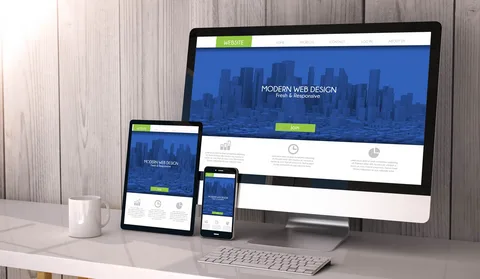
Introduction: Your Website May Be Losing Customers Without You Knowing
Imagine a potential customer searching online for a service your company offers. They find your website, click the link, and wait for the page to load. But the website is slow, the information is confusing, or the content does not answer their questions.
What happens next? They leave and visit another website.
You may never know that this person was interested in your business. There is no enquiry, no phone call, and no opportunity to explain how you could help.
This is one of the biggest challenges businesses face in the digital world. Having a website is important, but simply being online is not enough. Your website needs to communicate clearly, load smoothly, provide useful information, and give visitors a reason to trust you.
That is where Web & Media Services become valuable. From website development and digital content to search engine optimisation and media management, these services help businesses create a stronger online presence and connect with the people they want to reach.
What Are Web & Media Services?
Think about the last time you visited a business website before buying something. You probably checked its services, looked for reviews, compared prices, or searched for contact information.
All these small interactions shape your opinion of a business.
Web & Media Services cover the digital tools and creative activities that help organisations present themselves online. Depending on their needs, businesses may use website design, web development, content creation, search engine optimisation, multimedia production, and digital media support.
These services work best when they support one another.
A well-designed website attracts attention, useful content answers questions, SEO helps people discover the business, and a straightforward contact process makes it easier for visitors to take the next step.
The goal is not simply to make a website look attractive. It is to create an online experience that helps people understand what a business offers and why it may be the right choice.
1. Build a Website That Makes a Strong First Impression
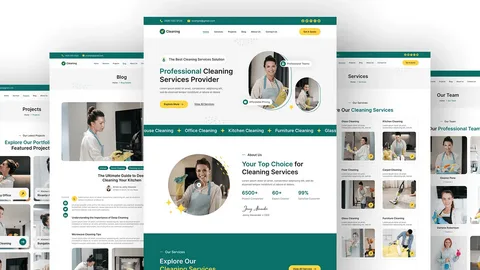
Your website often introduces your business before you get the chance to speak to a customer.
Visitors should be able to understand what you do, who you serve, and how to contact you without having to search through several confusing pages.
Good website design focuses on clarity as much as appearance. Clean layouts, readable text, useful navigation, consistent branding, and relevant images all help visitors find what they need.
For example, imagine a customer visiting an IT service provider’s website because their office network is unreliable. If the homepage immediately explains the available services and provides a clear way to make an enquiry, the customer can move forward confidently.
If the same visitor has to navigate several unrelated pages to find basic information, they may leave.
A professional website should answer three simple questions:
- What does your business do?
- How can it help the visitor?
- What should the visitor do next?
Clear service pages, visible contact details, and useful calls to action can make a real difference.
2. Make Website Speed and Mobile Experience a Priority
People have limited patience when browsing online. A page that takes too long to load can interrupt the experience before visitors even see your content.
Website performance also affects how people interact with your business. Slow pages, broken links, oversized images, and complicated forms can make an otherwise good website frustrating to use.
Website performance optimisation helps address these problems through measures such as image compression, caching, efficient code, suitable hosting, and regular technical checks.
Mobile usability is equally important.
Many customers discover businesses through smartphones while travelling, taking a break, or searching for a service nearby. If your website requires users to zoom in, scroll sideways, or struggle with tiny buttons, the experience needs improvement.
A responsive business website should adjust to different screen sizes and remain easy to navigate.
Businesses should also review Google’s Core Web Vitals, which measure aspects of loading performance, responsiveness, and visual stability. These metrics can help identify areas where the user experience needs attention.
A faster, easier-to-use website does not guarantee more sales, but it removes unnecessary barriers between visitors and the information they need.
3. Use SEO to Help the Right People Find You
Even an excellent website can struggle if potential customers cannot find it.
Imagine offering website development services in Malaysia but appearing nowhere near the search results when people look for those services. Your website may look impressive, yet it could be missing opportunities to reach interested customers.
This is why Search Engine Optimisation (SEO) matters.
SEO helps businesses improve the way their pages appear and perform in search engines. It involves understanding what people search for and creating useful pages that answer those needs.
For instance, a technology company might create separate pages for managed IT services, network solutions, website development, and cloud services instead of placing every service on a single page.
Each page can explain the service in detail, answer common customer questions, and use relevant search terms naturally.
Effective SEO services may include:
- Keyword research based on customer search intent.
- Helpful, original website content.
- Descriptive page titles and meta descriptions.
- Clear heading structures and internal links.
- Technical SEO checks and mobile optimisation.
- Relevant backlinks and a trustworthy online presence.
SEO is not about repeating the same keyword as many times as possible. It is about helping search engines and people understand what a page offers.
Businesses should also be realistic about results. Search rankings can take time to improve, and no provider can honestly guarantee a specific ranking for every keyword.
4. Create Content That Answers Real Customer Questions
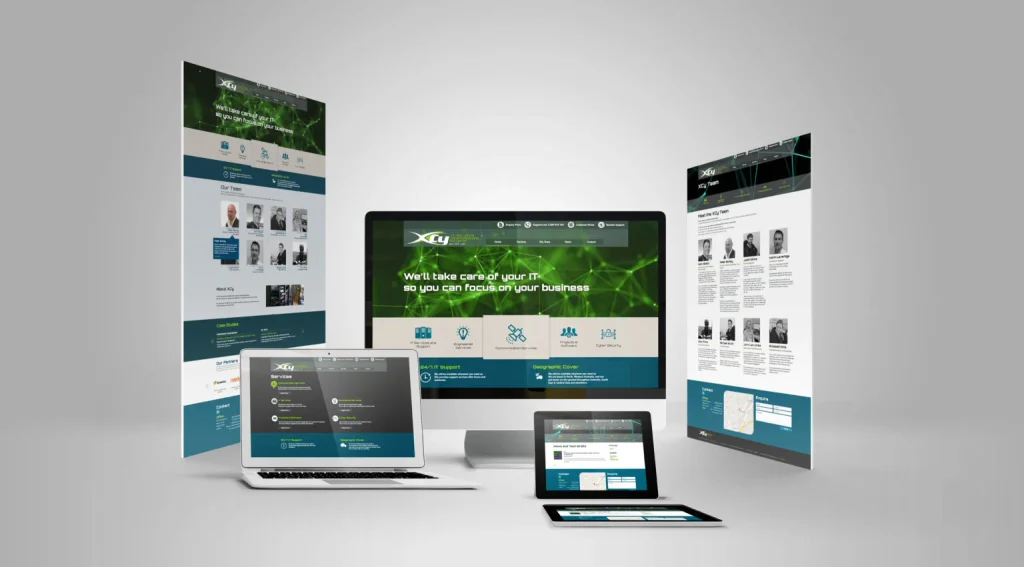
Content gives people a reason to visit your website beyond simply looking at your company details.
A useful article can explain a problem, a service page can compare available solutions, and a short video can demonstrate how something works.
The most effective content marketing starts with understanding what customers actually want to know.
Consider a person planning to build a business website. They might ask how much a website costs, whether they need hosting, how to secure customer information, or how to attract visitors through search engines.
A business that publishes clear answers can help that person make a more informed decision.
Content ideas can include:
- Practical how-to articles.
- Frequently asked questions.
- Service explainers and comparison guides.
- Customer stories and case studies.
- Short educational videos.
- Industry updates and expert insights.
The key is to provide genuine value rather than publish articles simply to fill a blog page.
Businesses should also maintain a consistent tone across their website, social media channels, and other digital platforms. When the message feels connected, customers can recognise the brand more easily.
5. Combine Website Content With Digital Media
Websites and digital media are often treated as separate activities, but they can support one another.
A company might publish a detailed article on its website, turn the main points into a short video, share useful graphics on social media, and direct interested viewers back to the original page.
This approach allows one useful idea to reach people in different formats.
Digital media services may include graphic design, video production, social media content, multimedia editing, and other creative work that helps communicate a brand’s message.
Different audiences prefer different formats. Some people want to read a detailed explanation, while others would rather watch a quick demonstration.
For example, a technology provider could publish an article about network security and create a short video explaining three common security mistakes. Both pieces can educate potential customers while supporting the same overall message.
However, publishing everywhere is not always necessary. Businesses should choose platforms that match their audience, resources, and goals.
Quality, relevance, and consistency usually matter more than trying to maintain an active presence on every platform.
6. Build Trust Through Security and Transparency
A website can attract visitors and still lose their confidence if it appears unsafe or unreliable.
Customers may hesitate to submit an enquiry if the website displays security warnings, contains broken pages, or provides unclear information about the company.
That makes website security an important part of the online experience.
Businesses should use HTTPS, keep their website software and plugins updated, maintain reliable backups, and apply appropriate access controls. Forms that collect personal information should be designed and managed responsibly.
It is also important to provide accurate business details, clear service descriptions, and realistic claims.
If a website includes customer testimonials, they should be genuine. If it collects personal information, its privacy information should explain how that information is handled.
Trust is built through small details. A working contact form, consistent branding, helpful content, and transparent communication all show visitors that the business takes its responsibilities seriously.
For organisations that rely on online enquiries or digital transactions, these details can influence whether a visitor feels comfortable taking the next step.
7. Use Website Analytics to Understand What Works
One advantage of having a digital presence is the ability to learn from customer behaviour.
Instead of guessing whether a website is effective, businesses can review relevant data to understand how people discover and use it.
Website analytics can help answer questions such as:
- Which pages receive the most visits?
- How do visitors find the website?
- Which pages lead to enquiries?
- Are visitors leaving particular pages quickly?
- Which content attracts relevant search traffic?
For example, a service page might receive plenty of visits but very few enquiries. That does not automatically mean the page is failing. Visitors may be looking for different information, or the next step may not be clear enough.
Reviewing the page can reveal opportunities to explain the service more clearly, improve the layout, or make the contact process easier.
Businesses should focus on meaningful measurements rather than traffic alone. For a service provider, qualified enquiries may be more valuable than thousands of visits from people who are unlikely to become customers.
Analytics should also be configured with appropriate attention to privacy and applicable data protection requirements.
8. Prepare Your Online Presence for Changing Technology
The digital landscape continues to change as artificial intelligence, new search experiences, automation, and interactive media become more widely used.
Businesses may use AI tools to help organise content ideas, analyse customer questions, or support routine creative tasks. However, automated content still needs human review to ensure that it is accurate, useful, original, and consistent with the brand.
A strong online presence also depends on the fundamentals: helpful information, accessible design, dependable performance, security, and a clear understanding of customer needs.
Rather than chasing every new trend, businesses should ask whether a technology genuinely improves the experience for their audience.
For example, adding a chatbot may help visitors find service information quickly, but a poorly configured chatbot can create more frustration than value. The same applies to animations, interactive features, and other website additions.
The best digital improvements solve real problems.
Conclusion: Turn Your Online Presence Into a Business Advantage
Your website is more than a digital address. It is a place where potential customers learn about your services, compare options, evaluate your credibility, and decide whether to contact you.
A confusing website, slow pages, weak content, or poor mobile usability can make that decision harder than it needs to be.
With the right Web & Media Services, businesses can create a more useful online experience through professional website design, SEO, engaging content, digital media, stronger security, and continuous improvement.
You do not need to change everything at once. Start by reviewing your website from a customer’s perspective. Check whether your services are easy to understand, your pages work well on mobile devices, and your contact information is simple to find.
Then identify the improvements that will make the biggest difference to your audience.
SIZAF NET WITH TECH supports the technology needs of individuals, families, offices, businesses, and organisations through connectivity-focused and technology solutions designed around customer requirements.
To learn more, visit Sizaf Infocomm.
Malaysia: +60 146600012
USA: +1 516 880 9996