A customer searches for your business online.
They find your website.
Within a few seconds, they decide whether the business looks professional, trustworthy, useful, and worth exploring.
That small moment can have a bigger impact than many businesses realise.
Today, a company’s digital presence is often the first interaction a customer has with its brand. A website, search result, social media post, advertisement, video, email, or online campaign can introduce a business before a customer ever speaks to someone from the company.
This is why Web & Media Services have become an important part of modern business.
It is no longer just about creating a website and leaving it online. Businesses need a combination of web technology, digital marketing, content, creative media, communication, and reliable digital infrastructure to stay visible and connected.
What Are Web & Media Services?
Web & Media Services bring together different technologies and creative solutions that help businesses establish and manage their digital presence.
This can include:
- Website development and management
- Domain registration and transfer
- Email hosting and management
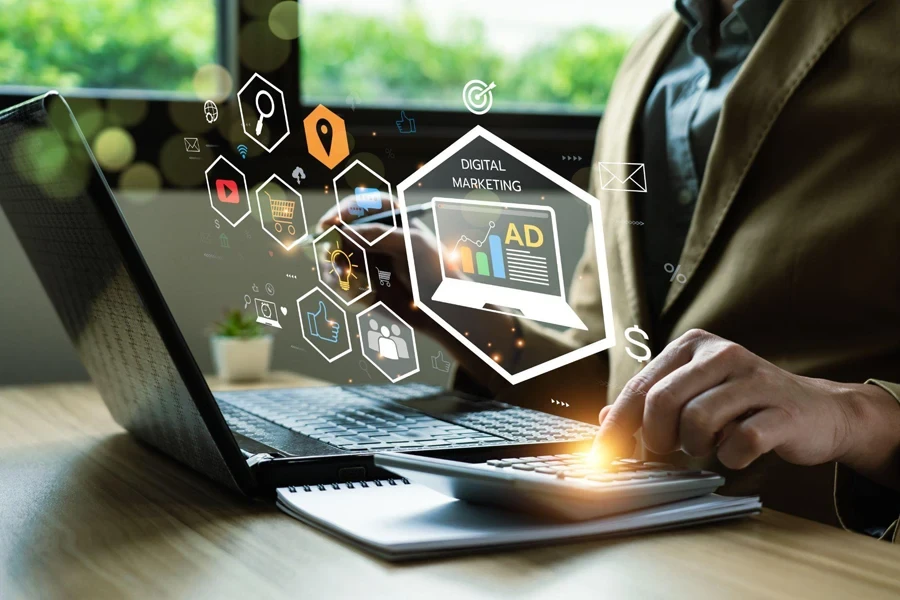
- SEO and digital marketing
- Web data services
- Creative content development
- Animation and VFX
- Digital advertising
- Media production and publishing
Sizaf’s Web & Media Services page describes a similar combination, with services covering websites, domains and email, SEO and digital marketing, data scraping, and creative media production across platforms.
The important point is that these services do not have to operate separately.
When they work together, they can create a more consistent digital experience for customers.
A Business Website Is More Than an Online Brochure
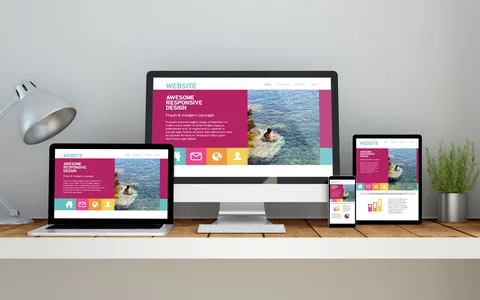
A website is often the centre of a company’s digital presence.
It can explain what a business does, showcase products and services, answer common questions, provide contact information, publish useful content, and give customers a way to take the next step.
For some businesses, the website may also support online enquiries, bookings, sales, customer communication, or other digital processes.
That means website quality matters.
A modern business website should be easy to navigate, responsive across devices, regularly maintained, and designed around the needs of its visitors.
A beautiful website that is difficult to use is not particularly useful.
The goal should be simple: make it easy for the right customer to understand the business and take action.
Domains and Email Build Digital Identity
Before a customer visits a website, they may see a company’s domain name or receive an email from the organisation.
These small details contribute to digital identity.
A suitable domain gives a business a recognisable online address. Professional email services can also make everyday communication more organised and consistent.
Domain management can involve registration, transfers, country-specific domains, and ongoing administration.
For growing businesses, keeping these digital assets properly managed is important because they are part of the company’s online identity.
SEO Helps Businesses Get Found
Having a website is only one part of being visible online.
The next question is:
Can people actually find it?
This is where Search Engine Optimization (SEO) becomes important.
Search engines help people discover businesses, products, services, information, and solutions. SEO involves improving website content and structure so that search engines can better understand the pages and users can find relevant information more easily.
Good SEO is not simply about adding keywords repeatedly.
It involves useful content, relevant topics, clear page structures, technical website performance, search intent, and a positive user experience.
For businesses competing online, visibility can make a significant difference.
Digital Marketing Connects Businesses With Their Audience
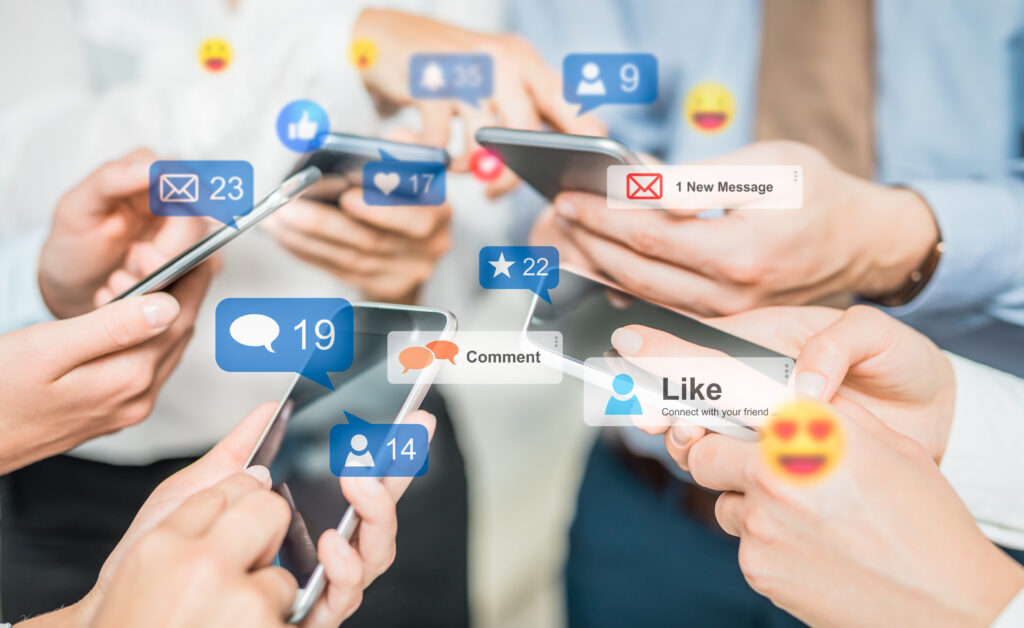
People spend a large part of their day online.
They search, compare, watch videos, read reviews, browse social platforms, and discover new brands through digital channels.
This creates opportunities for businesses to communicate with potential customers through digital marketing.
Digital marketing can include search marketing, content marketing, online advertising, social media, email campaigns, and other digital communication channels.
The important part is understanding the audience.
A campaign should not simply ask, “What can we promote?”
A better question is:
What does our audience actually need, and how can we communicate that clearly?
Creative Content Makes Digital Communication More Human
Technology may provide the platform, but content gives the platform something meaningful to communicate.
A business can have a technically excellent website, but if the content is unclear or uninteresting, visitors may not stay for long.
Creative content can include:
- Articles
- Graphics
- Videos
- Advertisements
- Animations
- Product visuals
- Brand stories
- Social media content
- Educational material
Sizaf’s Web & Media Services page specifically includes creative media design, animation/VFX, content development, production, and publishing across platforms.
This is important because different audiences consume information differently.
Some people prefer reading.
Others respond better to video.
Some may notice a graphic or advertisement first.
A strong digital strategy can use different formats without losing the central message of the brand.
Animation and VFX Can Improve Complex Communication
Some products and services are difficult to explain using text alone.
Animation and visual effects can make complicated ideas easier to understand.
For example, a technology company may use animation to explain how a system works. A manufacturer may use visual content to demonstrate a product. A service provider may use video to explain a process.
Visual storytelling can also make marketing content more memorable.
The key is not to use animation simply because it looks impressive.
It should have a purpose.
Good creative content helps the audience understand something, remember something, or take action.
Web Data Can Support Better Business Decisions
The internet contains a huge amount of publicly available information.
Businesses may need specific information from websites for research, monitoring, analysis, or other legitimate business purposes.
Web data services can help organisations collect and organise relevant information more efficiently.
But data collection should always be handled responsibly, with attention to applicable laws, website terms, privacy, and data protection requirements.
The value of data is not in collecting as much as possible.
It is in collecting useful information and turning it into something the business can understand and use.
Why Integration Matters for Modern Business
One common problem businesses face is having too many disconnected digital tools.
The website is managed by one person.
Marketing is handled somewhere else.
Email is separate.
Creative content is produced independently.
Data is stored in another system.
Over time, this can create inconsistency.
Integrated Web & Media Services can help businesses approach their digital presence more systematically.
The website supports the brand.
SEO helps people discover it.
Content communicates the message.
Digital marketing brings that message to relevant audiences.
Email supports communication.
Creative media strengthens visual storytelling.
Each part can support the others.
Web & Media Services Should Adapt to Business Size
Not every business needs the same digital solution.
A freelancer may need a domain, professional email, and simple website.
A small business may need a website, SEO, digital marketing, and ongoing content.
A larger organisation may require more complex web development, media production, data services, digital campaigns, and infrastructure.
This is why flexibility matters.
Sizaf describes its Web & Media Services as being available for businesses of different sizes and budgets, with customised service arrangements that can be structured around customer requirements.
The right solution should match the actual business need rather than forcing every organisation into the same model.
The Future of Web & Media Is Becoming More Connected
The boundaries between websites, marketing, content, advertising, and technology are becoming less clear.
A website can now include interactive experiences.
Marketing can be data-driven.
Content can be personalised.
Video can become part of customer support.
AI can assist with content and analysis.
Cloud technology can support digital platforms.
And reliable networks allow businesses to manage these services from almost anywhere.
But despite all these technological changes, one thing remains important:
People still want useful information and good experiences.
Technology should make that experience easier, not more complicated.
What Businesses Should Consider Before Investing in Web & Media
Before starting a new digital project, businesses can ask a few practical questions:
What is the main goal?
Is the objective to generate leads, sell products, provide information, improve communication, or build brand visibility?
Who is the audience?
Understanding customers helps determine the right content, design, platforms, and communication style.
Is the current website performing well?
Businesses should review usability, speed, mobile experience, content, security, and search visibility.
Is the content still relevant?
An outdated website can make an otherwise strong business appear inactive.
Are different digital activities connected?
Website, SEO, marketing, email, content, and advertising should ideally work toward the same business objectives.
Final Thoughts
A company’s digital presence is no longer limited to having a website.
It is the combination of web technology, communication, content, creativity, marketing, and digital infrastructure that shapes how customers experience a business online.
Web & Media Services can bring these elements together and help organisations communicate more effectively in an increasingly digital marketplace.
The most successful digital presence is not necessarily the one with the most complicated technology.
It is the one that makes a business easier to find, easier to understand, and easier to connect with.
How Sizaf Infocomm Can Help
Sizaf’s Web & Media Services cover areas including websites, domains, email hosting and management, SEO and digital marketing, web data services, creative content, animation, VFX, advertising, production, and publishing across platforms.
For businesses looking to strengthen their digital presence, the right combination of web and media services can provide a practical foundation for long-term online growth.
Malaysia: +60 146600012
USA: +1 516 880 9996