
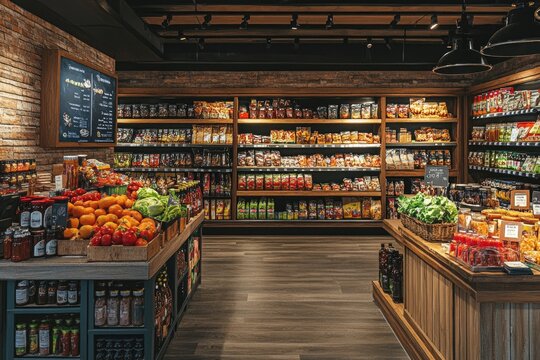
Have You Ever Looked at Your Grocery Bill and Thought, “Wasn’t This Cheaper Before?”
Maybe it was the price of rice.
Or the vegetables you buy every week.
Perhaps it was the fish you’ve been cooking for years that suddenly seems more expensive than ever.
You pause for a moment and wonder:
“Why does it feel like food prices keep going up?”
Most of us immediately blame inflation. Rising fuel costs. Economic uncertainty.
And yes, those factors play a role.
But there’s another reason many people don’t think about when they stand in the supermarket aisle.
It might sound like a topic meant for scientists, policymakers, or environmental activists. But the truth is, it’s affecting something incredibly personal to all of us—our daily meals.
The fish on our plates.
The fruits in our lunch boxes.
The rice we cook for our families.
The vegetables we add to our favorite recipes.
Behind every meal is a story. And today, that story is becoming increasingly challenging.
Climate Change Is Already Sitting at Our Dinner Table
For years, many people viewed climate change as a problem for the future.
Something our children or grandchildren would have to deal with.
But that future has quietly arrived.
Farmers are dealing with droughts that last longer than expected.
Unexpected floods are washing away months of hard work overnight.
Heatwaves are becoming more intense.
Storms are arriving with greater force and less predictability.
Meanwhile, oceans are warming, affecting marine life in ways that scientists are still trying to understand.
These aren’t isolated incidents anymore.
They’re becoming part of everyday life.
And eventually, they show up where we notice them most—our grocery receipts.
The People Who Feed the World Are Facing Uncertainty

Most of us buy food without thinking twice about how it got there.
We grab what we need.
Pay at the counter.
Head home.
But every item we purchase represents someone’s dedication.
Someone planted that crop.
Someone cared for it through changing seasons.
Someone woke up before sunrise and went out to sea.
Today, those people are facing challenges unlike anything they’ve experienced before.
Agriculture Is Learning to Adapt
Farming has never been easy.
It requires patience, resilience, and hope.
For generations, farmers relied on familiar weather patterns to guide their work.
They knew when the rains would arrive.
They understood when to plant and harvest.
Nature had its rhythm.
But that rhythm is changing.
Rainfall becomes unpredictable.
Dry seasons last longer.
Floods arrive unexpectedly.
Pests appear in places they weren’t seen before.
Diseases spread more easily.
For farmers, each season now carries a new level of uncertainty.
And when harvests decline, the impact extends far beyond the farm.
It affects prices, availability, and ultimately, every household.
The Oceans Are Changing Too
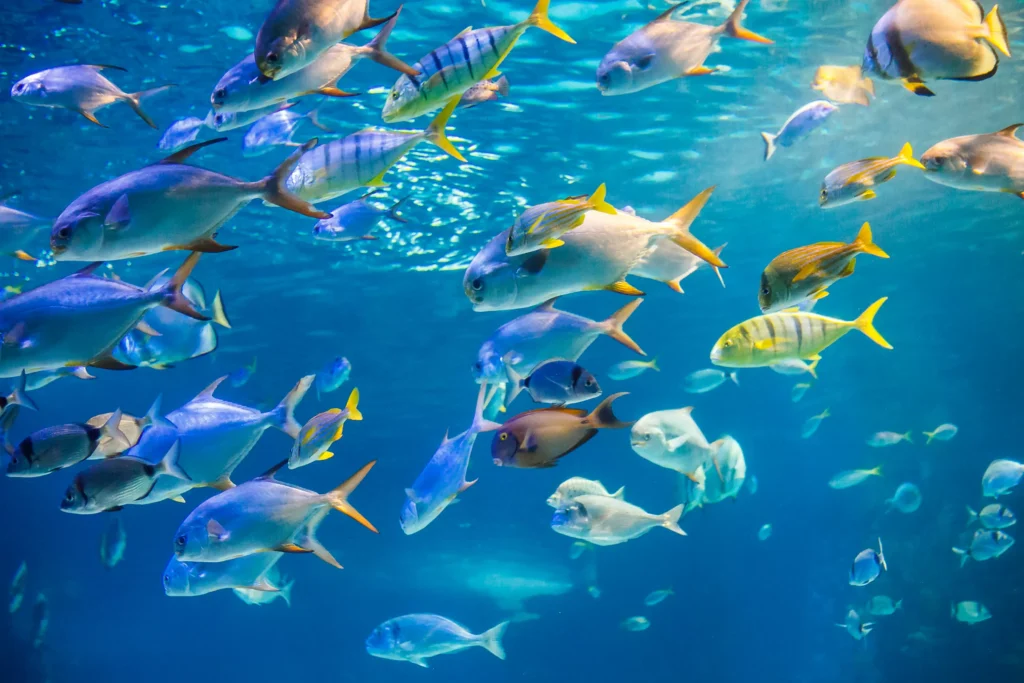
For many fishing communities, the sea is more than a workplace.
It’s heritage.
Identity.
A way of life passed down through generations.
But fishermen are noticing changes they can’t ignore.
Fish species are moving into cooler waters.
Some catches are becoming smaller.
Others are becoming harder to find altogether.
Rising temperatures and changing ocean conditions are reshaping entire ecosystems.
Imagine heading out to sea using the same knowledge your family has trusted for decades—only to realize the waters no longer behave the way they once did.
For countless fishing communities, this isn’t imagination.
It’s reality.
And when seafood supplies decrease, prices naturally rise.
That’s why Fisheries are becoming one of the sectors most affected by environmental change.
Why This Matters to Every One of Us
You don’t have to own farmland.
You don’t have to be a fisherman.
You don’t even have to work in the food industry.
Because every single person depends on food systems.
When crop yields fall:
- Food becomes more expensive.
- Certain products become harder to find.
- Supply chains experience pressure.
When fisheries struggle:
- Seafood prices increase.
- Communities lose income.
- Local economies suffer.
The connection between Climate Change, Agriculture, and Fisheries might not always be obvious.
But it’s there every time we sit down for a meal.
Technology Is Giving Us Reasons to Hope
The challenges are real.
But so is human innovation.
Across the world, farmers, researchers, and communities are finding smarter ways to adapt.
Smart Agriculture Is Changing Farming
Modern farming isn’t relying solely on experience anymore.
Technology is becoming an essential partner.
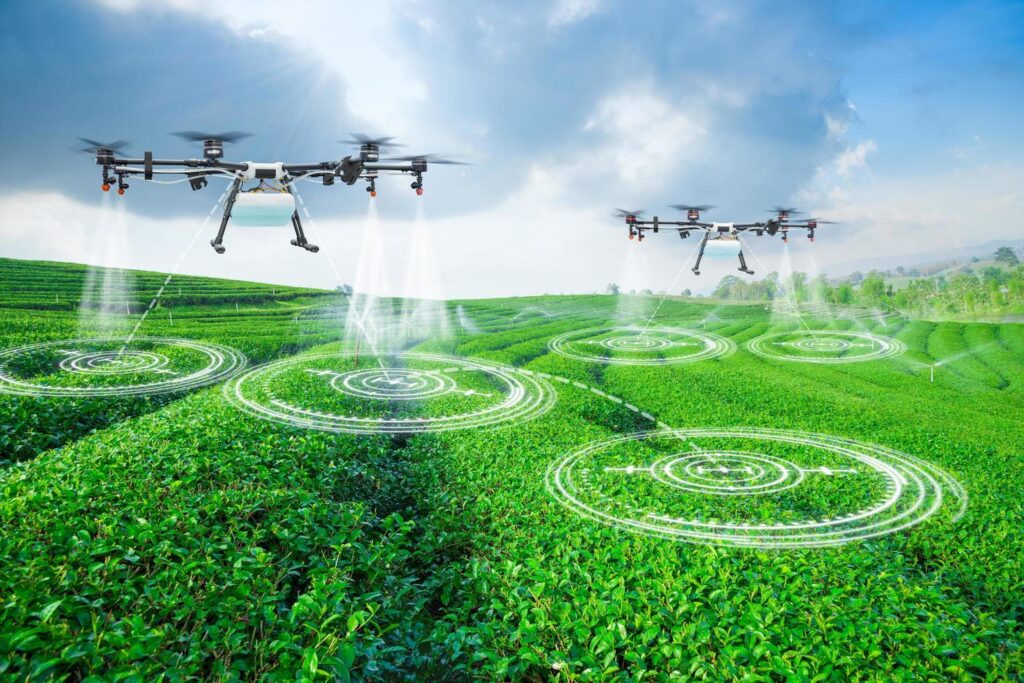
Through Smart Agriculture, farmers can monitor:
- Soil health,
- Weather conditions,
- Moisture levels,
- Crop performance.
This information helps them make better decisions and use resources wisely.
Instead of guessing, they’re planning with confidence.
Precision Farming Helps Every Drop Count
Water shortages are becoming increasingly common.
That’s why Precision Farming is gaining attention.
Using advanced technologies, farmers can apply water, fertilizers, and treatments exactly where they’re needed.
This approach helps:
- Reduce waste,
- Lower costs,
- Improve productivity,
- Support environmental sustainability.
It’s proof that efficiency and sustainability can go hand in hand.
Building Climate-Resilient Crops
Scientists are also developing Climate-Resilient Crops designed to withstand drought, disease, and rising temperatures.
These innovations won’t eliminate every challenge.
But they can help communities continue producing food despite changing conditions.
Sometimes adaptation isn’t about changing everything.
It’s about strengthening what already exists.
The Rise of Smart Fisheries
Technology is supporting coastal communities too.
Through Smart Fisheries, digital tools can help monitor fish populations and encourage more responsible practices.
The goal isn’t simply catching more fish today.
It’s ensuring healthy oceans for future generations.
Because sustainability means thinking beyond tomorrow.
Small Choices Can Make a Big Difference
When conversations about sustainability arise, many people assume the responsibility belongs only to governments or large corporations.
But meaningful change often begins with everyday actions.
We can:
- Reduce food waste,
- Support local producers,
- Choose sustainable products when possible,
- Be mindful of our consumption habits.
None of us can solve climate change alone.
But collectively, small actions add up.
Final Thoughts
The next time you notice that your grocery bill has gone up, remember that there may be a much bigger story behind those numbers.
A farmer hoping for rain.
A fisherman navigating uncertain waters.
Families doing everything they can to continue feeding communities.
Climate Change isn’t just an environmental issue.
It’s a food issue.
A livelihood issue.
A community issue.
It’s about preserving traditions, protecting futures, and ensuring that the meals we share with the people we love remain accessible for generations to come.
The road ahead won’t be easy.
But human beings have always found ways to adapt, innovate, and support one another.
And perhaps that’s our greatest strength.
Because protecting Agriculture and Fisheries isn’t simply about saving industries.
It’s about protecting the future of food itself.
And that’s something that affects every single one of us.
How Sizaf Infocomm Can Help
As industries adapt to a rapidly changing world, technology continues to play an important role in building resilience.
At Sizaf Infocomm, we help organizations embrace digital transformation through managed IT services, secure infrastructure, cloud technologies, and scalable solutions designed to support innovation across industries—including agriculture and fisheries.
Reach out to Sizaf Infocomm:
📞 Malaysia: +60 146600012
📞 USA: +1 516 880 9996
🌐 Website: https://sizaf.com
What About You?
Have you noticed changes in the prices of your everyday groceries? Do you think technology can help farmers and fishing communities adapt to climate challenges?
Share your thoughts in the comments below. We’d love to hear your perspective.